A deeper look at herbal support for long-term digestive imbalance and healing.
Rebuilding the Terrain
When most people think about digestive herbs, they think of immediate relief—peppermint or fennel for gas and bloating, ginger for nausea. These herbs absolutely have their place, and I use them often in practice and daily life.
But what happens when the digestive system has been under long-term stress?
Food intolerances, long-term stress, antibiotic use, high-fat or refined sugar intake, chronic inflammation, or years of “not quite right” digestion can leave the gut feeling depleted. Over time, this can also influence cognition, energy levels, sleep hygiene, skin health, and overall wellness.
Beyond herbs themselves, digestive health is shaped by foundational factors such as sleep, stress regulation, hydration, and diet. These elements all contribute to gut health and digestive resilience.
In these cases, the focus shifts toward supporting the underlying terrain of the system in an attempt to re-establish a healthy gut balance. This means taking a close look at foods that trigger GI distress, considering a probiotic supplement and/or fermented food intake, utilizing appropriate forms of exercise, and stress management alongide of herbal formulation.
As an endurance athlete, I’ve personally noticed how periods of high training stress and increased intake of quick carbohydrates (like gels) can contribute to digestive imbalance when recovery and system support are lacking. It’s a reminder that herbs are not standalone solutions, but part of a larger context of regulation and individualized support.

Soothing and Supporting the Gut Lining
Calendula (Calendula officinalis)
Calendula is one of the most beloved herbs for wound healing and supporting tissue repair. While often used externally for skin, internally it is traditionally used to support the delicate lining of the digestive tract and encourage digestive comfort.
Herbalists often include calendula in formulas where there is a need for tissue integrity and gentle lymphatic movement. It is also valued for supporting inflammatory balance and overall immune resilience.
Form: Infusion. Also a nourishing addition to broths and soups. I’ve tinctured this herb but found I rarely reach for it, opting for the bright fresh or dried flowers instead!

Licorice Root (Glycyrrhiza glabra)
Licorice is a classic demulcent, harmonizing herb traditionally used to soothe and coat irritated tissues. Per Maria Noel Groves, it supports the formation of a temporary protective layer in the digestive tract and helps ease discomfort associated with things like excess acidity.
It is also often used to support adrenal function. Licorice root is naturally sweet, which makes it useful in balancing more bitter or less palatable blends.
Form: Infusion or tincture. I usually cap it to 5–10% of a tea or tincture blend
Note: Long-term, high dose supplementation is discouraged in individuals sensitive to blood pressure changes or those with high blood pressure. Consider using deglycyrrhizinated licorice (DGL).
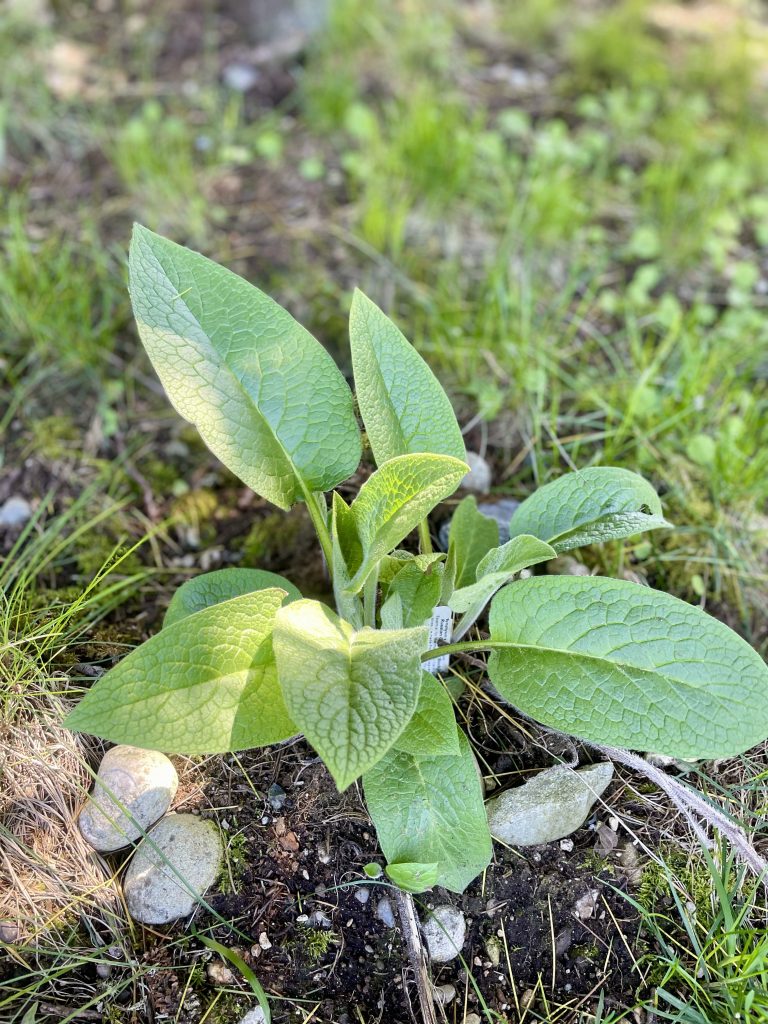
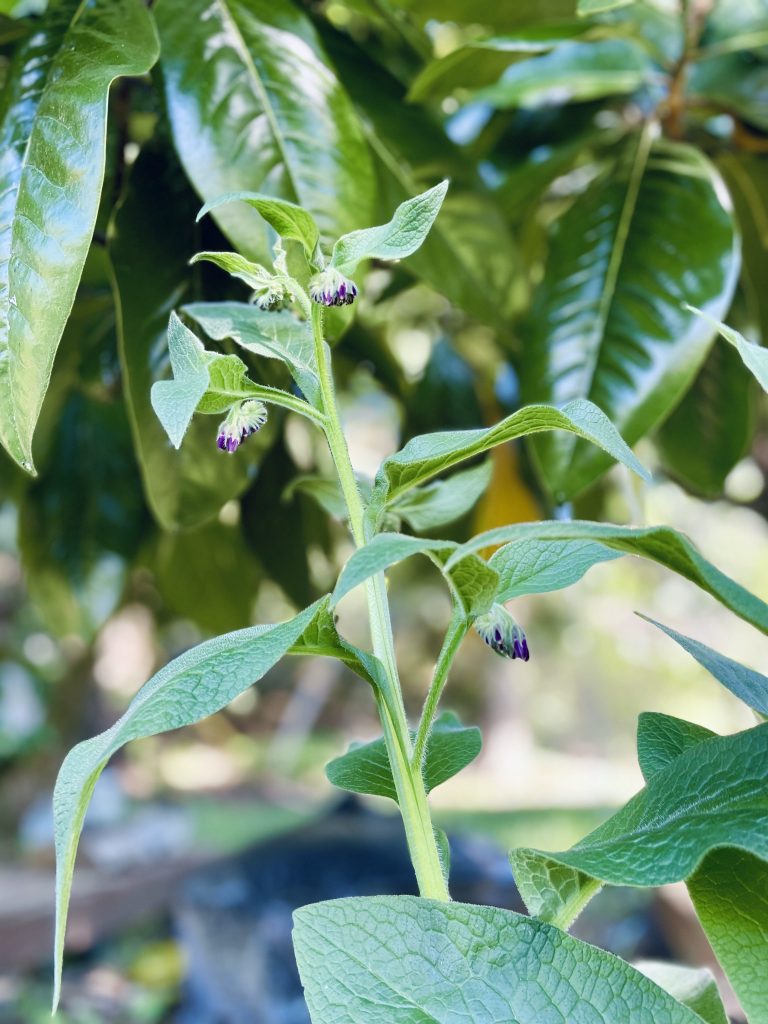
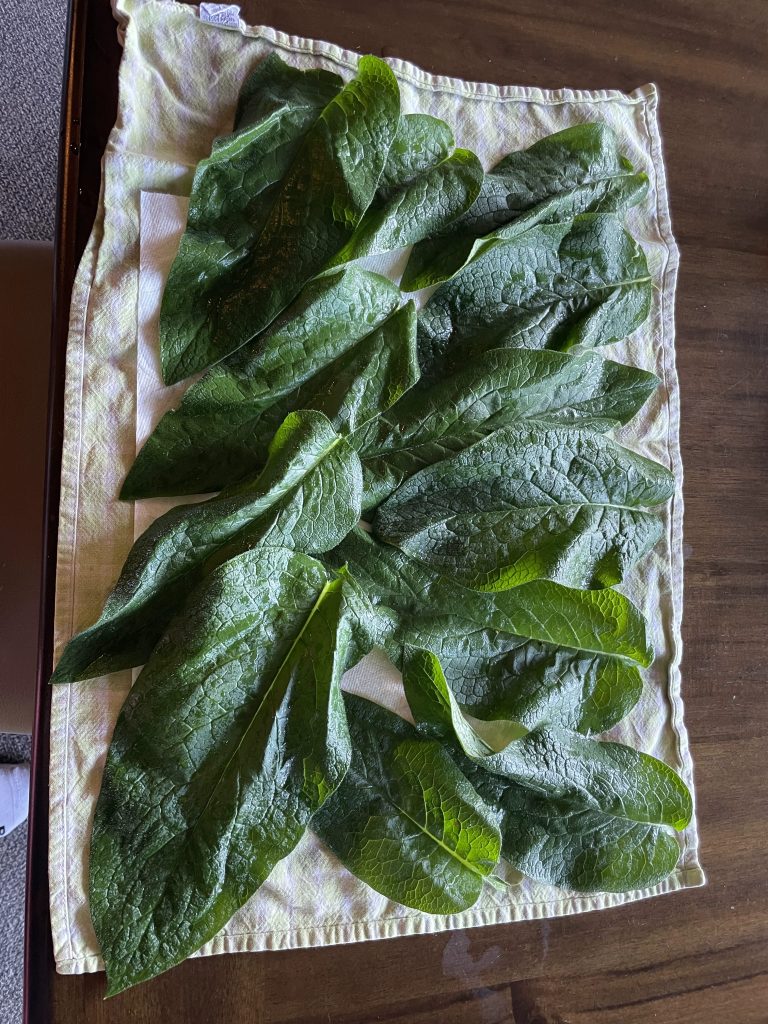
Comfrey Leaf (Symphytum officinale) — Short-Term Use Only
Comfrey is a revered herb known for its soothing, mucilage-rich properties and long history of use in tissue repair. It has traditionally been associated with promoting healing and supporting digestive lining comfort, largely due to its active constituent, allantoin.
However, due to concerns around pyrrolizidine alkaloids (PAs), internal use is generally avoided or only considered in very short-term, highly informed contexts.
I personally include it here due to my own past experience working with freshly harvested, home-grown leaves for GI issues, though this is not a general recommendation and should be approached with caution and respect. The root is not used internally. External use is widely accepted and considered safe when used appropriately.
Alternative: Plantain (Plantago spp.)
Plantain is a widely available herb used for soothing irritated tissues in the digestive tract. It offers a safer, more accessible alternative in this category.
Healing & Nourishing the System Over Time
Burdock Root (Arctium lappa)
Burdock is a deeply nourishing alterative that supports the liver, digestion, and elimination pathways. It is often included in tonic formulas for systemic balance. This hearty, nutritive root contains inulin—a prebiotic fiber that humans can’t digest but beneficial gut microbes can. By nourishing these microbes, burdock helps support a healthier internal environment and long-term digestive resilience.
Form: Decoction, tea, tincture, or food.
Note: Dandelion root may be used as an alternative, offering a similar bitter and digestive-supportive profile with a slightly more stimulating effect.
Red Raspberry Leaf (Rubus idaeus)
Red raspberry leaf offers gentle astringency and mineral support, making it a useful tonic for long-term digestive resilience. Rather than acting as a direct corrective, it helps tone and strengthen lax or damaged tissues over time while providing key nutrients like magnesium, calcium, potassium, iron and vitamins A, B-complex, and E.
Form: Tea infusion.
Nervous System + Gut Connection
Lemon Balm (Melissa officinalis)
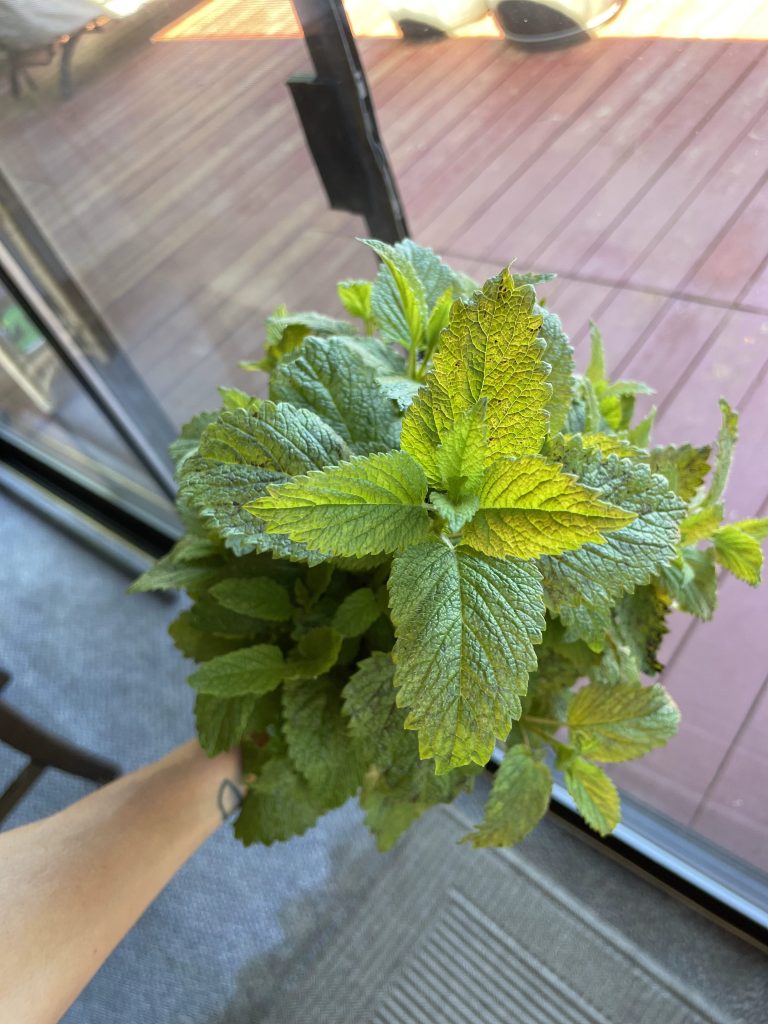
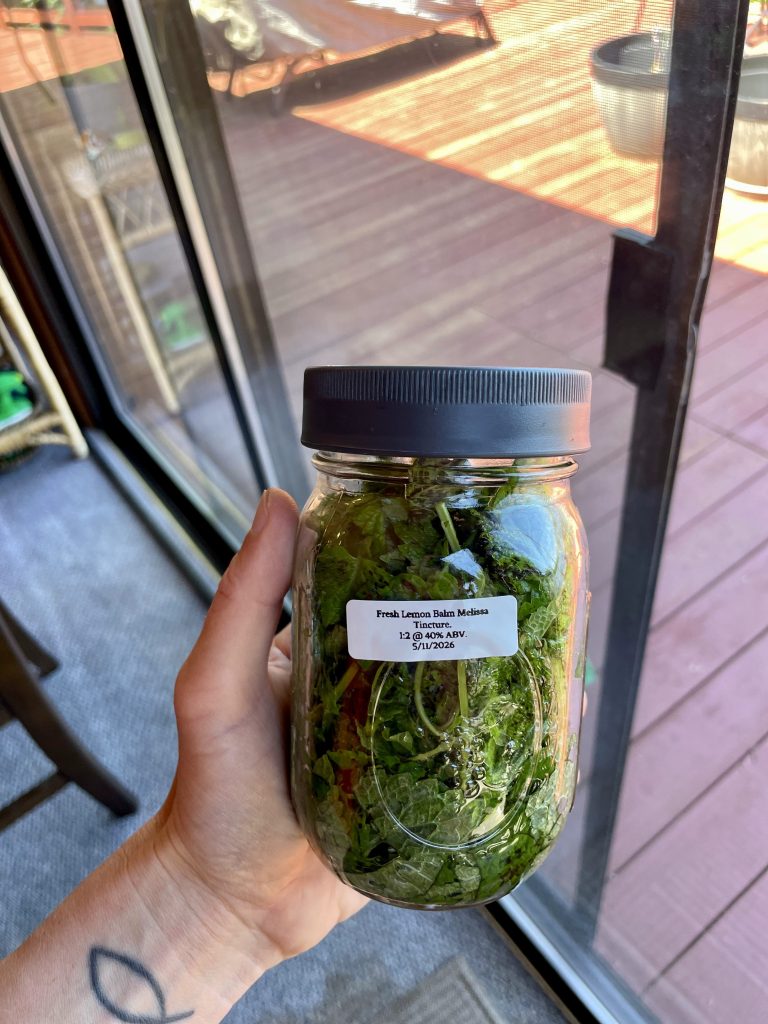
Lemon balm brings a calming, carminative quality that speaks directly to the gut-brain axis. When stress is a major driver of digestive discomfort, it can be an important part of the picture. Its bright, citrusy flavor makes it an approachable herb for children and sensitive individuals.
Lemon balm also has notable antimicrobial, anti-viral, and anti-fungal actions, though I reach for it most often for nervous digestion and anxiety-related upset, particularly when there’s heat (lemon balm is cooling).
Form: Tea or tincture, best fresh!
Gotu Kola (Centella asiatica)
Gotu kola is another herb that bridges nervous system support and tissue health. While often discussed for cognitive function, it is also valued for supporting connective tissue integrity and long-term resilience. I’ve found it to be a very effective vulnerary herb when taken internally. It is often used when both nervous system regulation and tissue recovery are part of the picture, including periods of physical or digestive stress.
Form: Tea, food herb, tincture
Bitter + Functional Digestive Support
Oregon Grape Root (Mahonia spp)
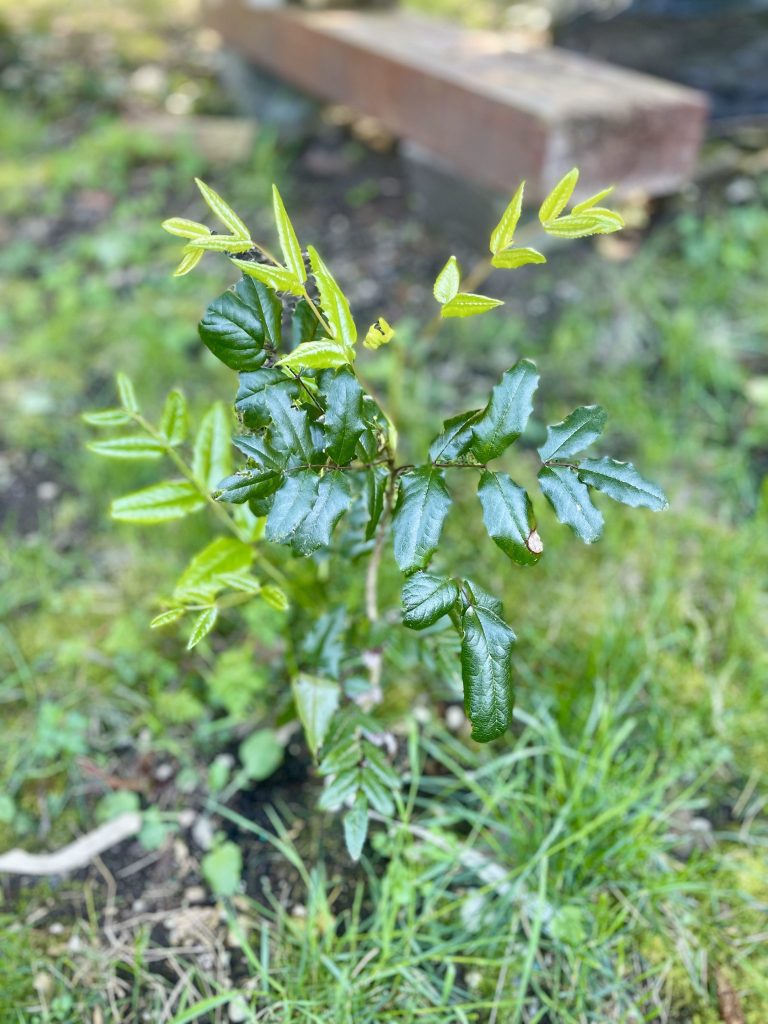
Oregon grape root is a powerful bitter herb that stimulates digestive secretions. It contains the alkaloid berberine, which contributes to its characteristic bitter taste and antimicrobial properties. In my own practice, I tend to reach for Oregon grape as a shorter-term remedy when there is a more acute digestive pattern present rather than as a gentle daily tonic.
Within Sajah Popham’s Vitalist framework, Oregon grape’s notable stimulating action on the liver and gall bladder make it an effective herb in cases of stagnation. He notes it as a distinctly cooling remedy, indicating its use for specific constitutional patterns and presentations.
In Iwigara, Enrique Salmón discusses Oregon grape within Indigenous ecological knowledge systems, emphasizing its role within broader place-based relationships between land, health, and community. Traditional uses included support for stomachaches, internal bleeding, kidney-related concerns, and as a topical antiseptic wash for cuts and wounds.
Form: Tincture—very bitter. In fact, its bitterness is so pronounced that larger doses may induce nausea or vomiting. Some Indigenous traditions, including certain ceremonial Navajo uses, employed Oregon grape preparations as an emetic.
Turmeric (Curcuma longa)
Turmeric is a warming, inflammation-modulating herb that supports digestive function, liver health, and systemic balance particularly in cases of long-term digestive stress, inflammation or imbalance.
It can be used with or without black pepper depending on digestive sensitivity and is often combined with ginger in warming digestive preparations.
Form: Tea, golden milk, culinary use (including broths and soups)
Special Mentions
Cinnamon
Cinnamon is a warming digestive herb indicated in patterns of weakness, coldness, or sluggish digestion. It supports circulation and tone within the digestive system, often used as a “driver” in formulas. It can help in instances of both diarrhea and constipation, with the added bonus of supporting healthy blood sugar and cholesterol levels.
Marshmallow Root
Marshmallow root is a deeply soothing demulcent used to support and protect irritated mucosal tissues throughout the digestive tract. It is especially useful in dry, inflamed, or emaciated digestive states. I enjoy its lightly sweet, woody taste in teas! Energetically, it’s neutral and can offer balance for both hot and cold states.
Pau d’Arco Bark
Pau d’arco is a bitter, aromatic bark traditionally used as a tonic for a wide range of health benefits in South American herbal practices. The bark of this beautiful tree has also been studied for potential anticancer activity. Andrew Chevallier notes its profound antibacterial, antifungal, antiparastic, and anti-inflammatory actions in his book, The Encyclopedia of Herbal Medicine. The taste offers a deep complexity to tea or decoction blends.
Rose
Rose may not come to mind first for digestive support, but its unique affinity for the heart makes it a choice herb when digestive imbalance stems from trauma, grief, or loss. Its astringency can help tighten and tone digestive tissues while soothing emotional distress. As a bonus, rose hips are highly nutritive—rich in vitamin C and antioxidants. Rose is cooling and drying, so I tend to reach for it in hot, “leaky” conditions.
Meadowsweet (Filipendula ulmaria)
Meadowsweet is a cooling, drying herb often used for digestive irritation that moves upward rather than downward. It is a reliable remedy for issues such as reflux, heartburn, and nervous stomach upset accompanied by nausea or vomiting. Rich in naturally occurring salicylates—a constituent that was isolated and used to make the pharmaceutical aspirin—meadowsweet has a long history of use for supporting digestive comfort. Its pleasant, mildly sweet and minty flavor makes it a welcome addition to digestive tea blends. As an added bonus, meadowsweet also supports inflammatory balance and is often included in formulas for joint discomfort and rheumatic conditions.
Form: Tea or tincture.
Rebuilding the Digestive Terrain
When digestion has been compromised over time, the goal is not only to reduce symptoms but to support the underlying function of the system.
Soothing nervine herbs ease the stress response and calm irritation. Nourishing herbs provide foundational support during recovery. Astringent herbs help tone weakened, lax, or damaged tissues. Bitters support digestive signaling and function.
Together, they form a layered approach to digestive restoration—one that moves beyond immediate relief toward long-term balance.
It is rarely just one herb for digestion. More often, it is a thoughtful blend of synergistic plants selected within the context and constitution of an individual and their unique digestive landscape.
I hope this helps you work with herbs to support balance in your everyday life and training. If you’d like personalized support, you can reach me at becca@kawaoka-coaching.com—I’d be happy to help guide you or create a custom GI-supportive blend for you.
As a reminder, herbs are not a replacement for medical care. If you are experiencing persistent pain, or symptoms such as bloody stools, vomiting, or ongoing nausea or diarrhea, please seek support from a qualified healthcare provider.
References:
- The Healing Garden — Juliet Blankespoor
- Body Into Balance — Maria Noël Groves
- Iwigara — Enrique Salmón
- The Encyclopedia of Herbal Medicine — Andrew Chevallier
- Popham, Sajah — Oregon Grape Herbal Profile (Evolutionary Herbalism)


Leave a Reply