I took a couple weeks off from the podcast (not from training!) but from showing up here. I was in a really intentional phase of tapering, racing Ironman Texas, publishing my first book, and then recovering from all of it.
Recovery didn’t mean doing nothing—it meant shifting. Supporting my mind and body differently, and being more aware of what my system needed in that moment.
Over the last 2-3 weeks, I wasn’t just thinking about physical recovery. I was thinking about what my nervous system needed to support performance. Slowing down is often frowned upon in our high-paced society, but it’s essential to performance and balanced living.
I intentionally pulled back in a few key areas:
- Stepping away from social media and group chats
- Pausing weekly YouTube uploads
- Setting aside time in the weeks before the race to build out key sessions for my remote athletes. They felt supported and taken care of while I was focusing on travel and racing.
Recovery isn’t just physical—mental and emotional load matter just as much.
Remember: Your body doesn’t differentiate between training stress and digital or mental stress—it all adds up.
Interestingly, as I was experiencing the taper/race/recovery phase, I had multiple clients (triathlon AND herbal clients) entering race season and asking for recovery support, too!
Today, I want to walk you through how I think about recovery holistically and the herbal formula I’ve been using. Spoiler: It’s an individual approach to both herbs and recovery!
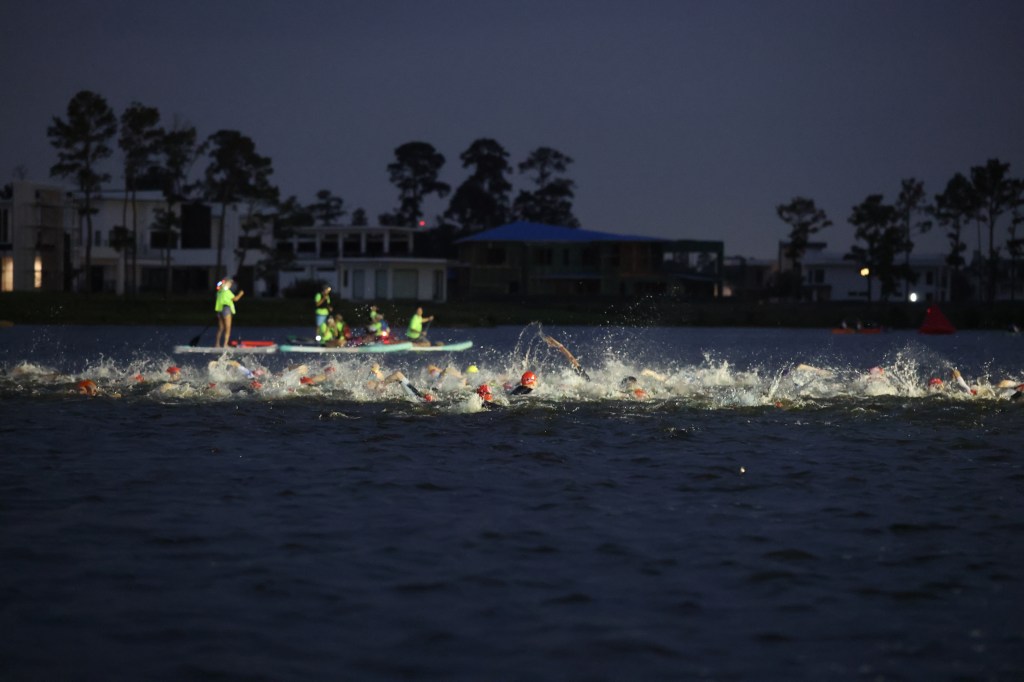
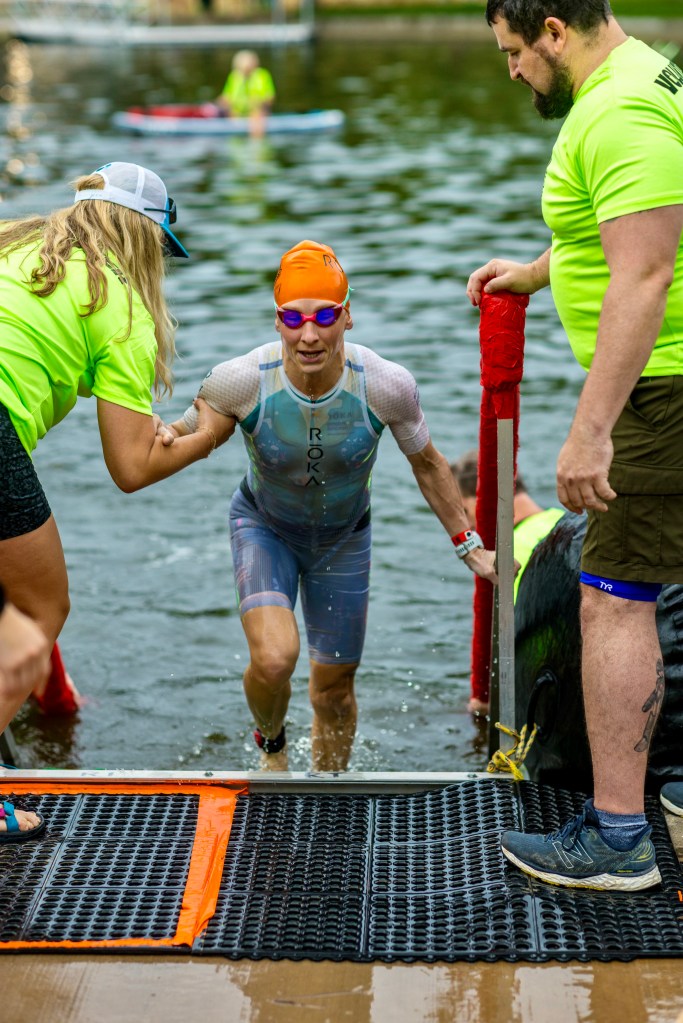
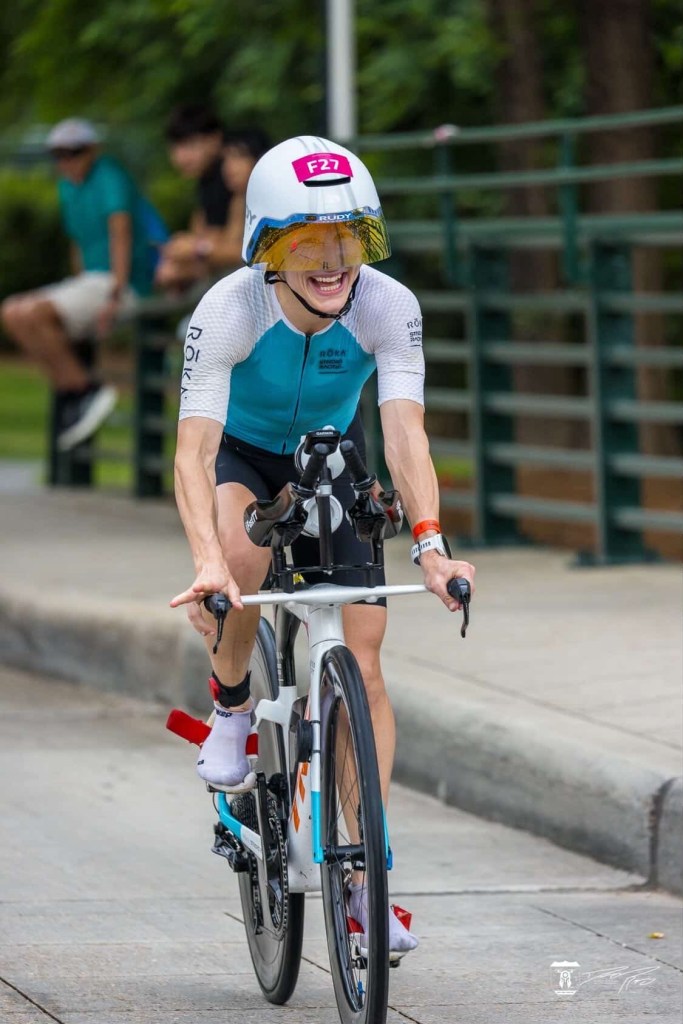
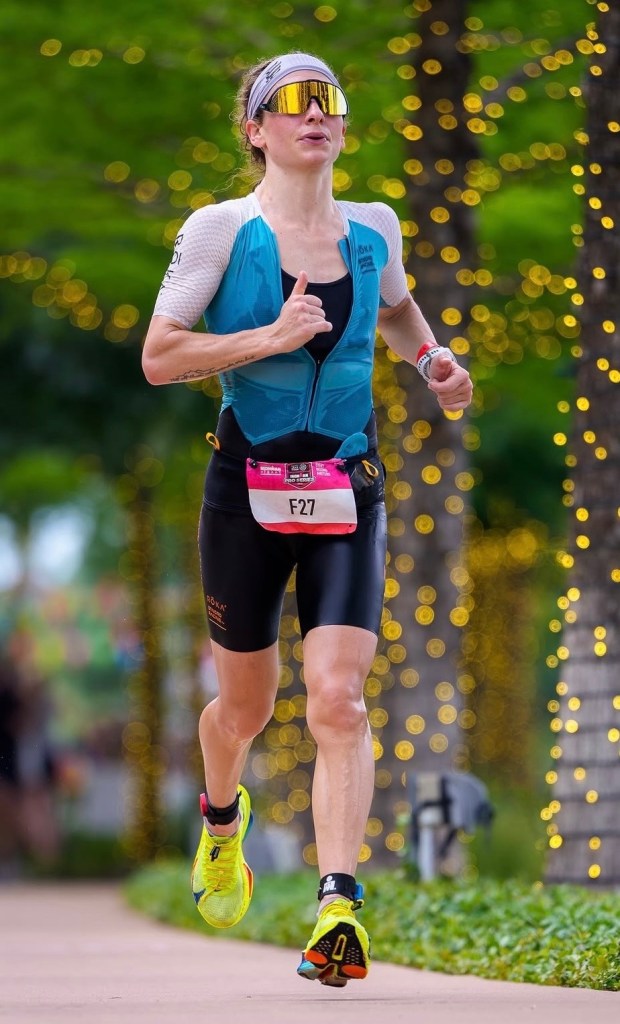
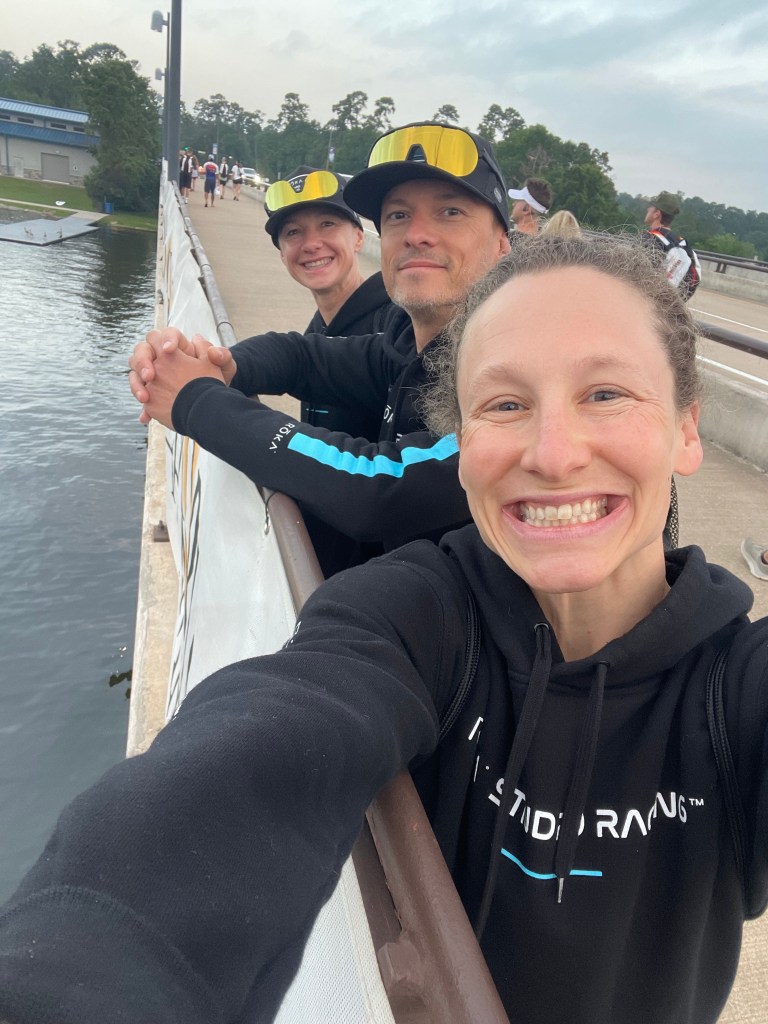
Photo by David Reynolds
What Recovery May Look Like
A big misconception is that recovery means stopping training completely.
That’s not what I do, and it’s not what I recommend. A good taper and post-race recovery is about intentional, adapted movement.
A good recovery system centers on adjusting your input to match your output—it’s about supporting adaptation, not shutting everything down.
I like to think about recovery in three layers:
- Physical → adjusting training intensity and volume in taper AND recovery
- Internal → herbs, nutrition, hydration
- External / Lifestyle → mental load, obligations, sleep
If you’re only addressing one of these, you’re most likely not fully recovering in a holistic manner.
Pre vs Post-Race Recovery
Before the race, recovery looked like protection.
After the race, recovery looked like reconnection.
I was still moving my body in both phases—but in very different ways.
Pre-race recovery:
- Structured swim, bike, and run sessions with varying shakeout efforts
- Adjusting workouts based on travel delays, bike mechanicals, and course availability
- Daily flexibility and mobility work
Post-race recovery:
- Little to no intensity for ~7 days
- More intuitive movement—no structure, everything feel-based
- Less swim, bike, run; more walking, paddleboarding, and yoga
Physically, there was fatigue and soreness, but what stood out even more was my nervous system.
There’s a kind of “after” feeling post-race—your body has been in a heightened state, and coming down from the buildup of emotion and adrenaline can be a tricky space to navigate. I haven’t always gotten it right.
This time around, I focused my support in two ways:
- What I added in (anti-inflammatory and driving herbs, nutrition, intentional social connection post-race, and sleep)
- What I removed (excess structure, pressure, and physical output)
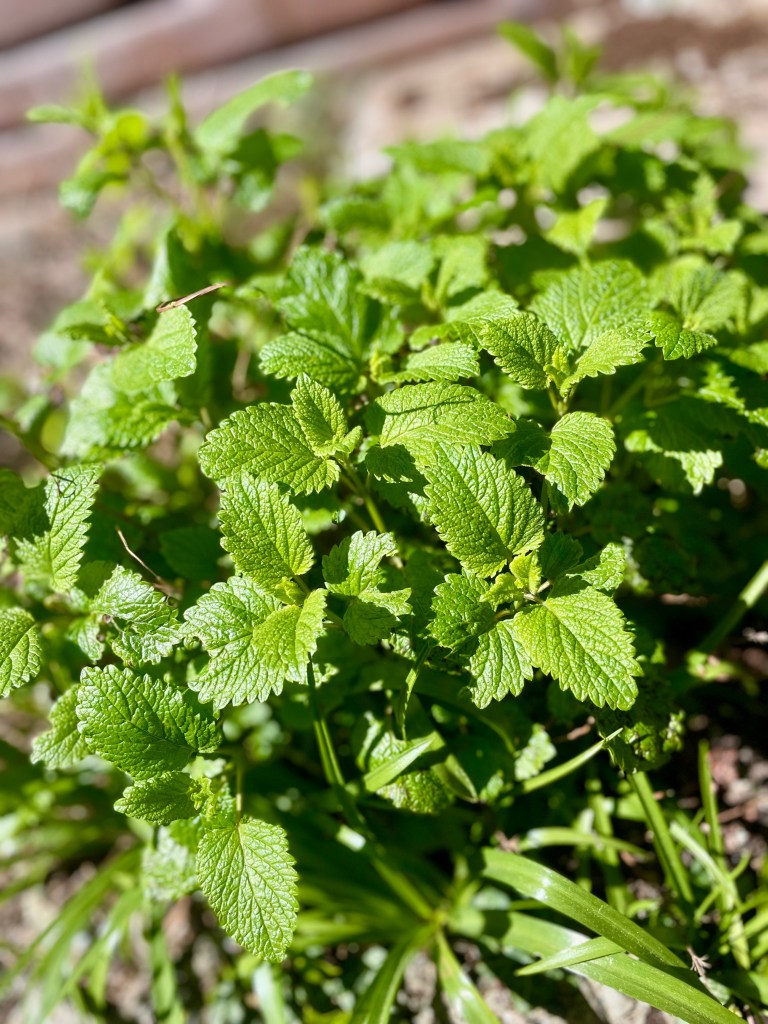
Pre-race, I moved inward—protecting my energy, limiting input, and keeping things quiet. I leaned on cooling, calming nervine and trophorestorative herbs.
Post-race, I intentionally shifted in the opposite direction—allowing more connection and choosing warming, circulatory, and adaptogenic herbs to support recovery.
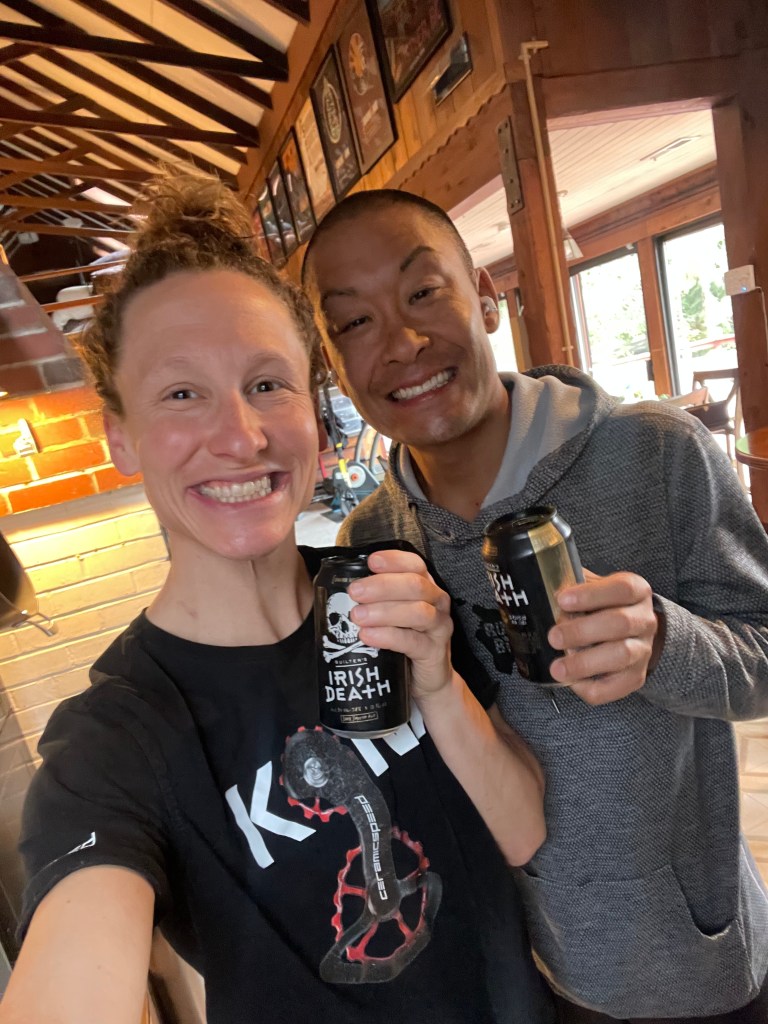
My nervous system needed something different in each phase. Post-race, it needed connection, non-sport stimulation, and a sense of grounding and security.
Just like I adjust herbs based on what my body needs, I adjust my environment the same way.

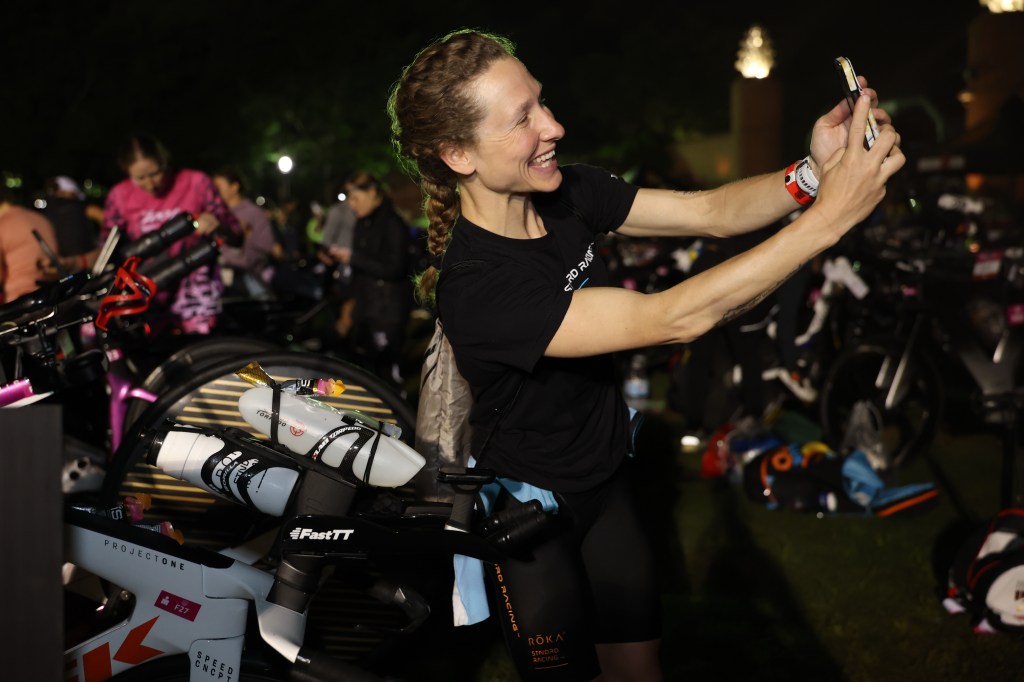
The Little Things
Creating Space
Not recording, not producing, and removing pressure to show up socially gave my system space to downregulate.
I shifted my focus to passion projects outside of sport—things like writing, knitting, and gardening. The mental quiet matters more than most people realize.
Planning Ahead
Pre-race, one of the biggest things that supported me was adjusting my workload ahead of time.
That meant:
- Working ahead in areas that allowed it
- Keeping my house clean and groceries stocked
- Saying no to social engagements when I needed to recharge
This led to significantly less day-to-day reactivity. Being prepared, organized, and maintaining boundaries directly impacts your nervous system. Saying no really is an underrated recovery tool, in my opinion!
Bringing It Together
Once those external stressors are lowered, everything else—nutrition, herbs, sleep—can work more effectively.
@digitknightproductions
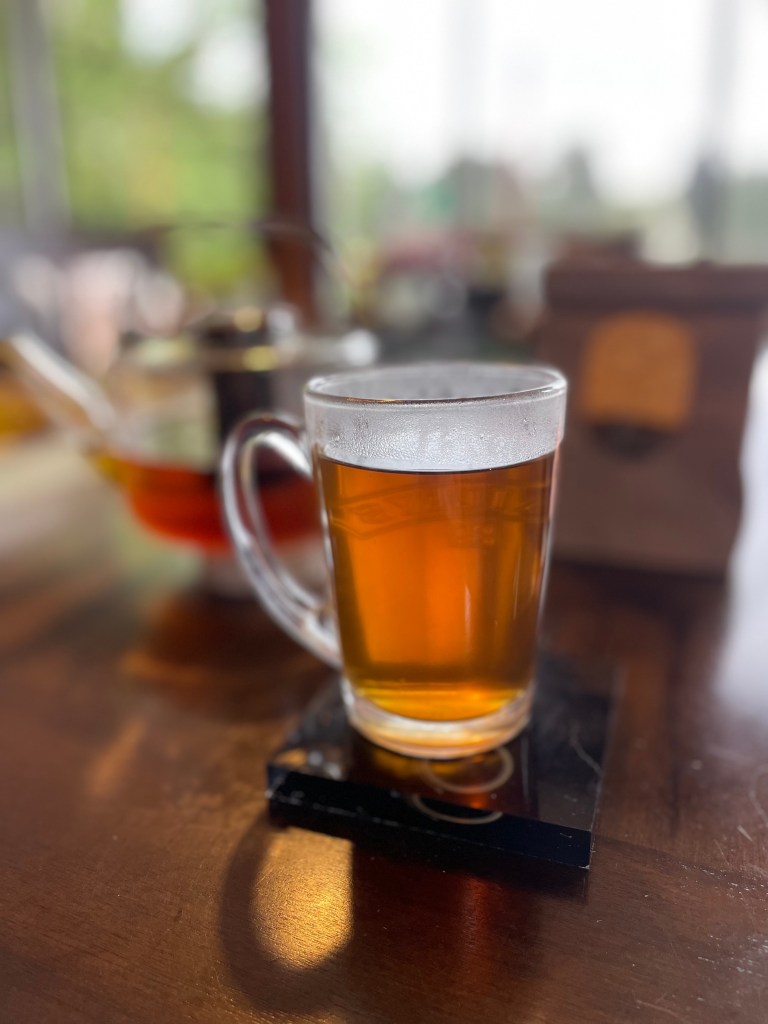
pre-race nervine!
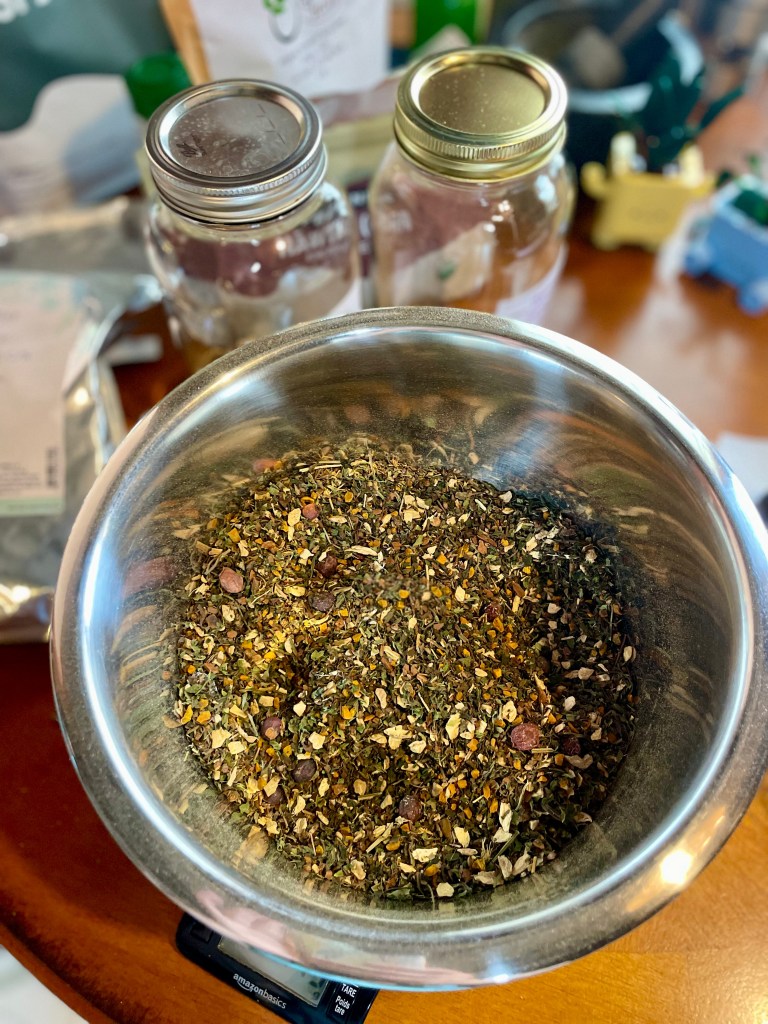
The Herbal Blend: How I Build It
When I build a blend—whether it’s for myself or a client—I’m not just picking random herbs.
I think in layers:
- What are the primary herbal actions and affinities?
- What herbs offer synergy and balance the formula?
- Will this formula actually taste good?
And that’s exactly how I approached this recovery blend.
Heavy Lifters (Primary Support)
These are the herbs doing the bulk of the work.
Turmeric Root
Powerful inflammation-modulator that supports tissue repair after a high training load or race.
Ginger Root
Improves circulation and digestion; helps move stagnation and reduce inflammation.
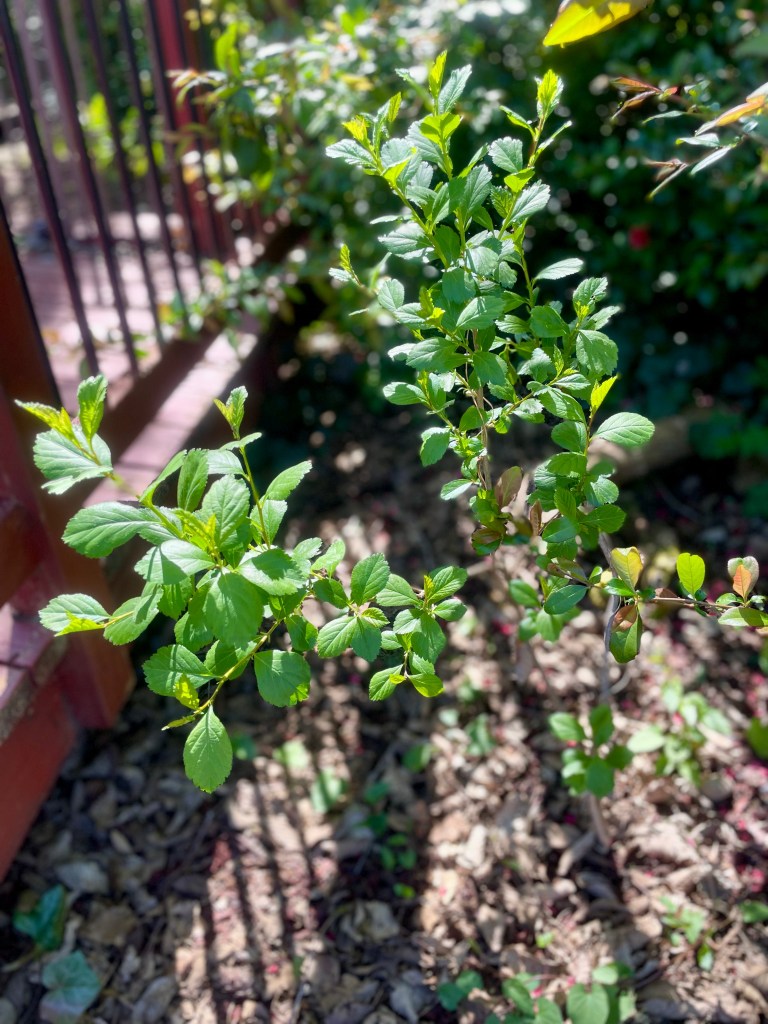
Hawthorn Berry
A top cardiovascular and highly nutritive herb that supports circulation and restoration—especially important after endurance events.
Holy Basil
Supports the nervous system and stress response with its adaptogenic and relaxant qualities.
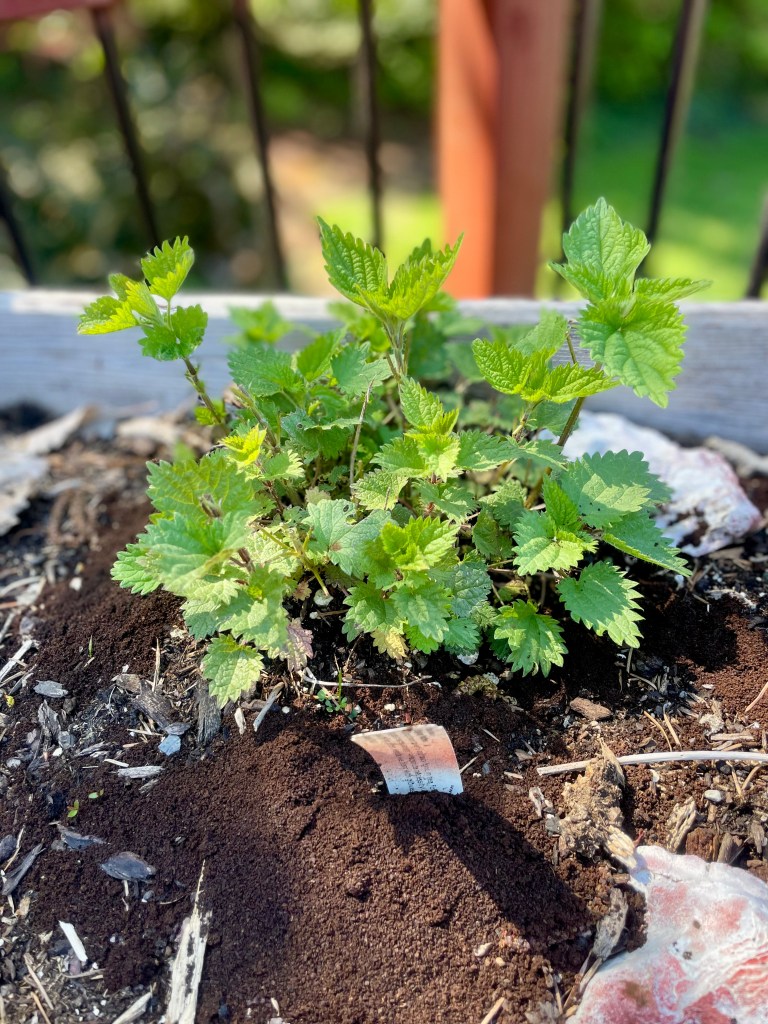
Nettle
Deeply nourishing, cooling, and rich in minerals (like iron, magnesium, potassium, calcium)
These are the core of the formula—addressing inflammation, circulation, digestive + nervous system support, and replenishment.
Supportive & Synergistic Herbs
These herbs make the entire blend more effective and balanced.
Spearmint
Adds a cooling, balancing element to a net warming recipe while supporting cognition and digestion.
Cinnamon
Supports circulation, blood sugar stability, and adds a warming, comforting flavor.
Licorice Root
A demulcent, harmonizing herb that offers delicious natural sweetness while supporting the adrenals.
(Note: one I’m more mindful with depending on the individual. Fennel is my standard swap if someone has high blood pressure.)
Aromatic / Activators
These are small but powerful additions.
Black Pepper
Enhances absorption of curcumin in turmeric and acts as a driver in the blend
Other additions: This is another space I like to vary based on the individual by adding accents that suit their taste preference and health goals! Cardamom, fennel, rose petals, lavender, and/or calendula to name a few!
A small amount can significantly increase the effectiveness of the entire formula.
How This Comes Together
- Heavy lifters → address the main recovery needs
- Supportive herbs → reinforce and balance
- Aromatics → enhance flavor and effectiveness
Instead of asking “what herbs should I take,” I think “what role does each herb play?”
Individualization Matters
Even though I’m using this general structure a lot right now (many of my clients are in race season and need similar support) this is never one-size-fits-all.
I’m always adjusting recovery, training, and herbal support based on:
- Physical constitution and individual patterns
- Physical and environmental tendencies toward hot/cold and dryness/moisture
- Menstrual cycle (if applicable)
- Stress levels
- Sleep hygiene
- Digestive health
- Allergies, intolerances, and overall gut function
- Training load
Two athletes can complete the same race, but each will need completely different support and recovery training/supplementation afterward.
The structure might be similar, but how it’s expressed is always personalized.
How to Approach Recovery
Instead of copying what others are doing, start by asking yourself:
- Am I sore, worn down, or both?
- How depleted am I mentally and/or physically?
- Am I recovering from intensity?
- Do easy days actually feel easy?
- How is my mental focus?
Depending on your response, adapt your stimulus (training/life stress) and match your herbals to your needs.
Practical Application
Internally:
- Use herbs consistently
- Keep it simple but regular
- Support with proper nutrition and hydration
Externally:
- Reduce unnecessary stressors
- Take breaks from constant output
- Plan ahead for high-demand phases
- Simplify where possible – and ask for help
Recovery is both what you add and take off your plate.
Key Takeaways
- Recovery is an active and individual process
- You don’t need to stop training, but you do need to adjust
- Herbs support inflammation, circulation, and the nervous system, but they can’t fix an overloaded, poorly managed lifestyle.
- Your environment, sleep, and stress load matter just as much as your diet and supplementation
Closing
This phase really reinforced that recovery isn’t optional—it’s part of performance.
And it’s not just about what you do physically—it’s about how you support your entire system. Your sleep, nutrition, herbal support, mental load, and training stimulus all play a role.
Remember: what your body needs is always specific to you.
If you’re in a recovery phase and want support, I do create custom herbal blends based on your individual needs.
You can apply through the intake form on my website, or reach out via email if you have questions. [becca@kawaoka-coaching.com]
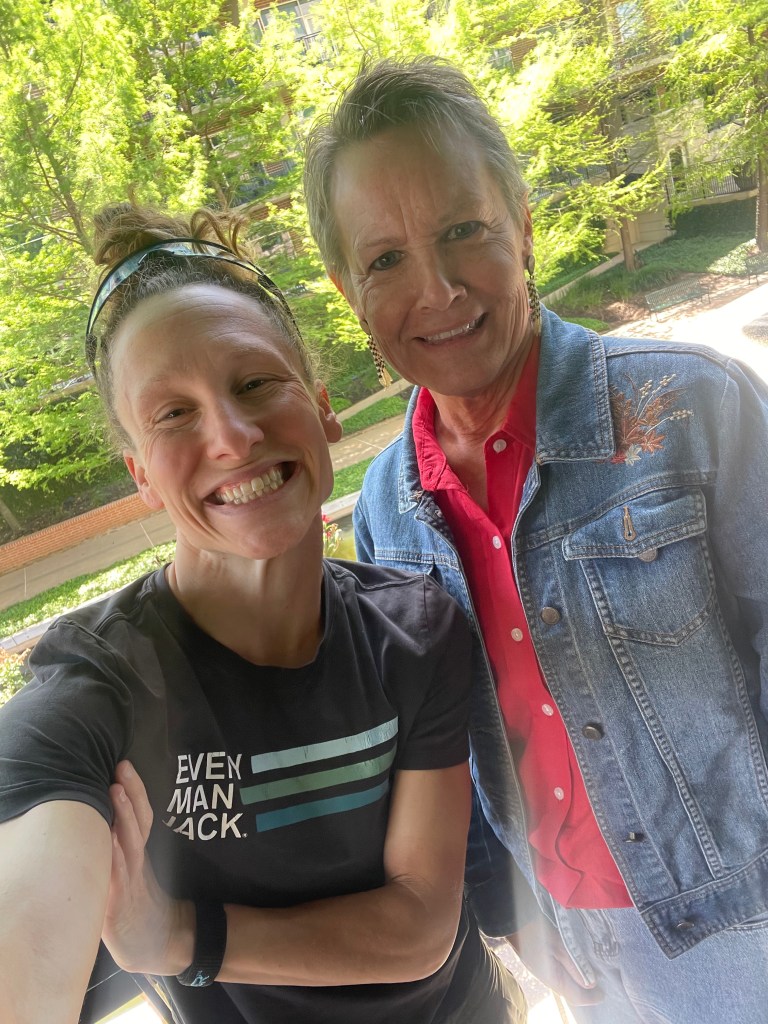
A massive thank you to my aunt (Nanny Trace) for driving out to support me for the week. Your calm presence and pre-race prayers helped me more than you’ll ever know – and your post race care was something I’ll never forget!
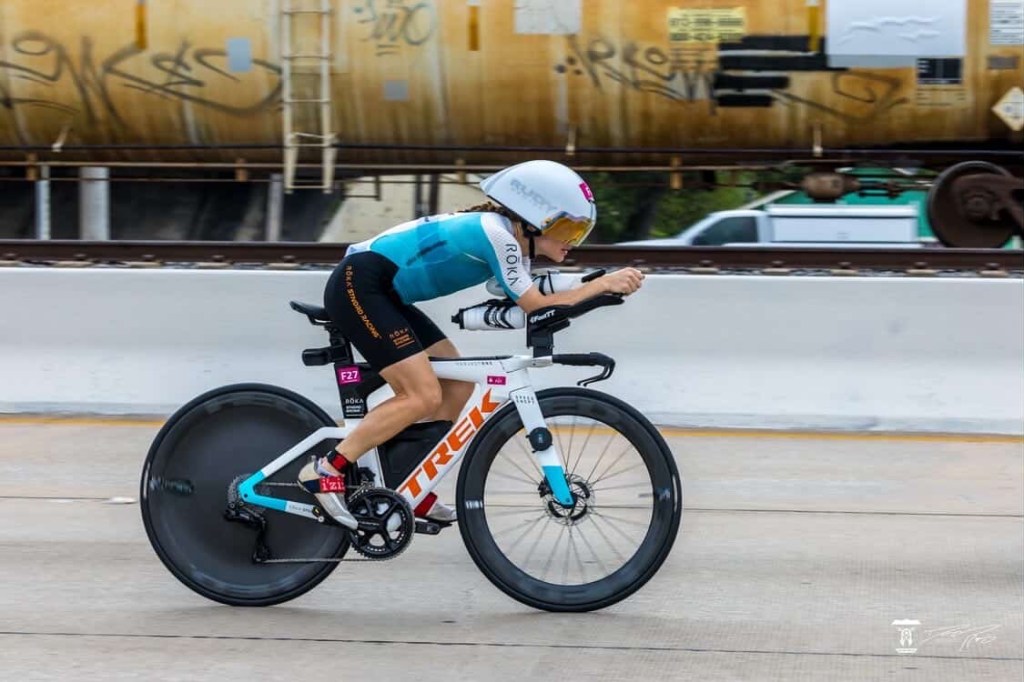
Thank you to David Reynolds of @digitalknightproductions for the UNREAL race photos!


Leave a Reply