“Cur moriatur homo cui salvia crescit in horto?”
(“Why should a man die who has sage growing in his garden?”)
– Regimen Sanitatis Salernitanum (The Salernitan Rule of Health), c. 12th Century
Today’s episode is full of sage advice, and I mean that literally! Sage is a trusted Thanksgiving seasoning. In fact, you may have some tucked away in your spice drawer! Did you know that it is also a classic medicinal herb with a wide variety of uses?
Sage’s Latin name, Salvia officinalis, comes from the Latin for “to save,” which speaks to this herb’s amazing ability to restore health and vitality.
A wise person is often referred to as “sage,” or giving “sage advice,” a nod to sage’s amazing ability to support cognitive function and memory.
Today we’re doing a full plant profile reviewing its taste, actions, energetics, uses, research behind its efficacy, and my go-to remedy for a sore throat: thyme, sage, and lemon syrup.
Sage: History and Growing
Sage (Salvia officinalis) is a member of the Lamiaceae, or mint family. It’s one of around 500 species of Salvia,2 and its close relatives include clary sage and dan shen.2
Sage is native to the Mediterranean and cultivated worldwide.2 It’s an evergreen perennial that can be grown from seed in spring. I planted some seeds in my indoor growing tower today for fun! Following the sachet’s instructions, I spaced a group of two to three seeds in each planter cup where it can get full sun.
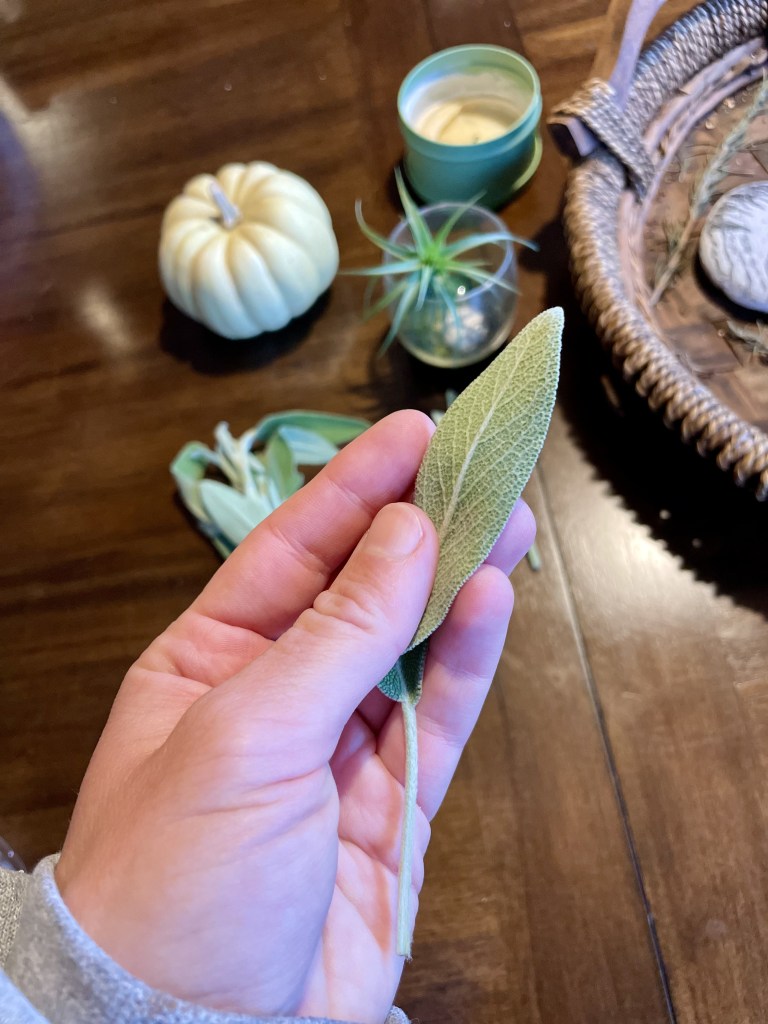
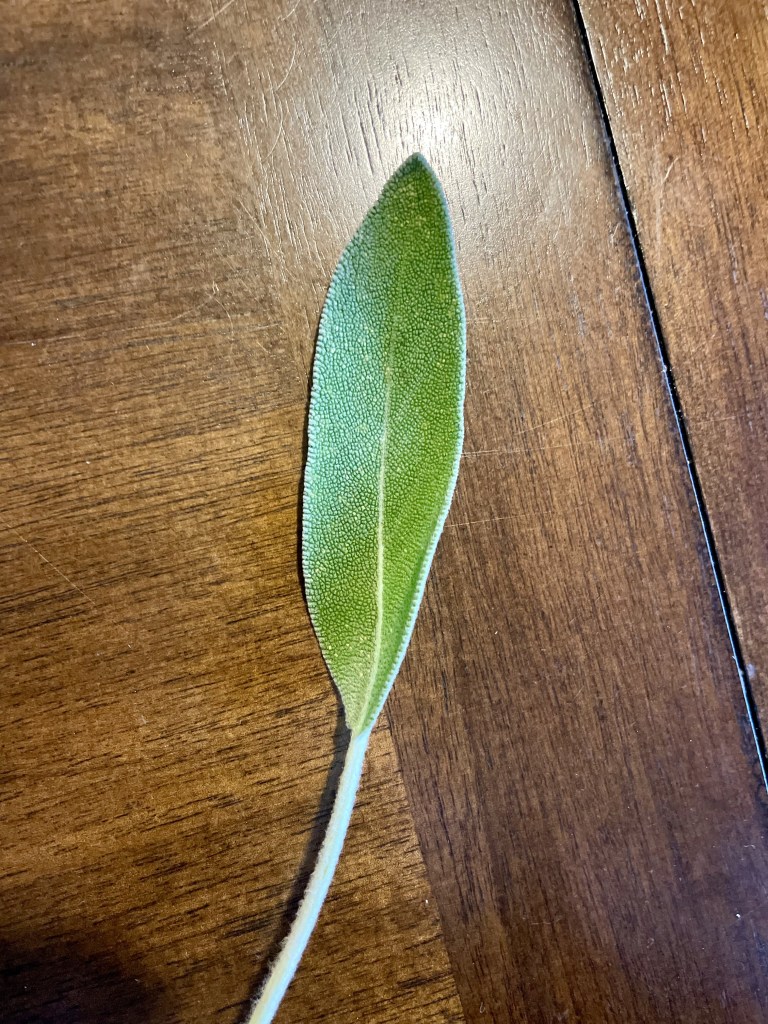
When fully grown, sage can reach heights of 2-3 feet. Sage is a classic mint family herb, featuring a square stem and soft, hairy gray-green (sometimes purple) leaves.1,2 It remains in leaf all year and flowers from late spring to late summer. Sage prefers the sun and well-drained soil that is neutral to alkaline, and it’s drought-resistant.1 Plants are often replaced after 3 to 4 years.1,2 Here in the Seattle area, I’ve found it to be as picky about its conditions as rosemary, disliking our cold, wet winters.
White sage (Salvia apiana) is native to North America and is used extensively in ceremony.3 Personally, I’ve struggled to grow it here in Seattle. It seems to prefer dry, arid conditions, so next time I think I will try growing it in a terra cotta pot to mimic that environment year-round.
Taste, Energetics, and Actions
Sage is warming and drying with a distinct pungent aroma and woodsy, astringent, mildly bitter taste. Overall, it has a diffusive, stimulating effect on the body.
Its actions include:
- Alterative/blood mover/diffusive
- Antiseptic
- Aromatic
- Astringent
- Bitter tonic
- Carminative
- Diaphoretic
- Disinfectant4
- Estrogenic2
- Mucus-clearing
- Nerve tonic
Key constituents include diterpenes, triterpenes, phenolic compounds including rosmarinic acid, and tannins.2
Traditional Uses
Traditionally, sage has been used for sore throats, poor digestion, and varying women’s reproductive ailments like irregular or scanty cycles. Culpeper writes: “Sage is of excellent use to help the memory, warming and quickening the senses,” and recommends it for many things, namely cold conditions, digestion, blood-cleansing, rheumatism, lethargy, joint pain… even side stitches!3,5
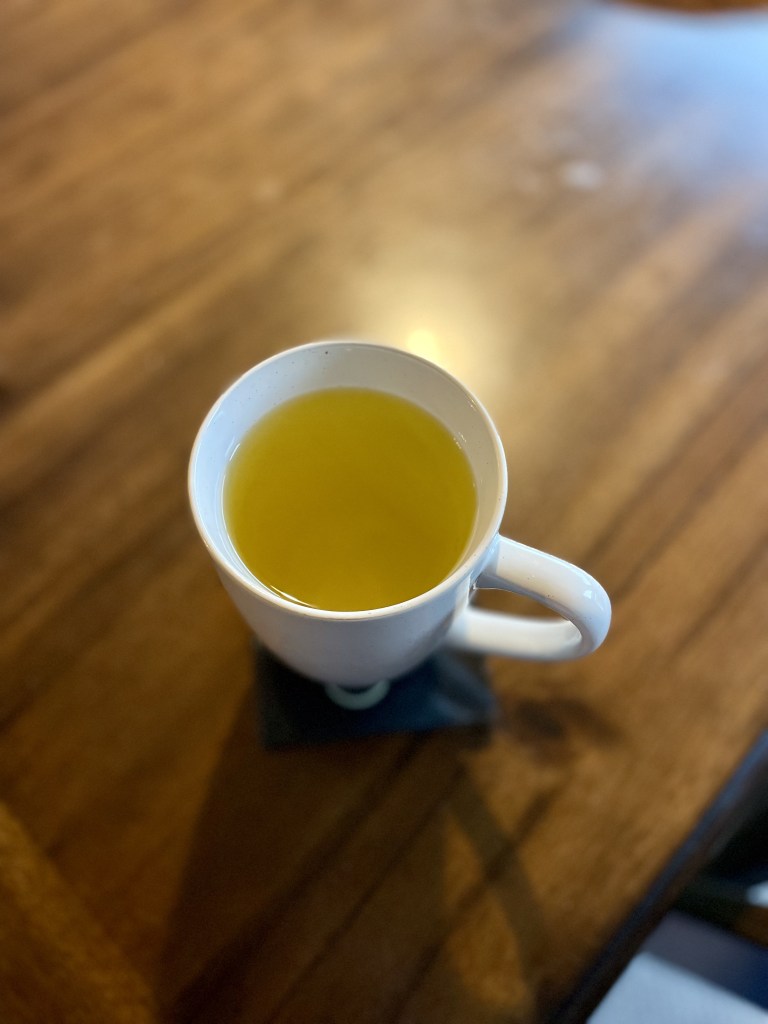
Sage has a storied reputation for supporting focus and memory as well as coughs, throat aches, sores, and digestive complaints.
What the Research Says
Memory: A 2008 UK study of healthy volunteers, all of whom averaged about 73 years old, showed significant improvement in memory processing and accuracy of attention after a single dose of sage extract. Notably, a moderate dose (equivalent to 2.5 g of sage) worked better than higher doses.2
Throat: A randomized study in 2006 found a sage throat spray relieved throat pain in acute throat infections.2 More recently, a 2009 trial showed a sage and echinacea spray worked slightly better than a standard medicated throat spray over the first three days.6 In 1985, Germany’s Commission E approved sage for inflammation of the nose and throat. Similarly, the European Medicines Agency recognizes it for inflammation of the mouth and throat, based on a monograph it first published in 2009.6
Hot flashes: In 2011, a Swiss study found that women with at least 12 months of hot flashes reported an average 64% decrease in symptoms after 8 weeks of sage supplementation.2,3
Lipids: A 2011 clinical trial in Phytotherapy Research determined “sage may be effective and safe in treatment of hyperlipidemia,” with all blood fat markers improving.2
Aromatic: Inhaling Spanish or garden sage improves mood and cognition.7
Current Uses
Cognition and memory. One of sage’s claims to fame (outside of turkey and stuffing) is its use to support cognition and memory. Sage has been studied in people with Alzheimer’s disease and shows promising effects. In fact, a four-month trial in people with mild to moderate Alzheimer’s who took a sage extract showed significantly better cognitive function than those taking a placebo.3,6 Herbalist and author Rosalee de la Forêt speculates this is because sage inhibits the breakdown of acetylcholine—a neurotransmitter that plays a key role in memory and cognition.3
Herbalists have long used sage as a memory and mood-enhancing tonic. Gerard and Culpeper are two classic examples, but there are endless herbal texts citing sage for the mind.
Digestion. Sage is bitter, pungent, and aromatic, all qualities that help support digestion. As a carminative, it can ease gas and bloating. Sage helps in the breakdown and digestion of heavy foods and fats, which is why it can be helpful for those with high cholesterol and—because it is stimulating—poor or sluggish digestion.3
Cold and flu, sore throat, and infection. Sage is strongly antimicrobial, which is why it is recommended as a gargle for sore throats and infections, mouth ulcers, and sore gums. One of sage’s constituents has a noted, specific antimicrobial action against Staphylococcus aureus.6
Famed herbalist Rosemary Gladstar recommends it for congestion, tonsillitis, and laryngitis, referring to it as one of the best herbs for the throat and lungs. As an astringent, it also helps with mouth ulcers, canker sores, spongy gums, and cold sores. This is why sage shows up in numerous herbal mouthwashes and tooth powder recipes.2,3,4
Women’s health and menopause. I’ve mentioned how this herb is diffusive and moves blood, and that points to its use in female patterns. Sage is often used in cases of irregular and scanty periods because it helps improve blood flow during menstruation.2 It has also been a reliable women’s herb for menopause. Sage is warming, so you’d think it wouldn’t be indicated for heat patterns, but it’s a classic diaphoretic herb!3 Diaphoretic herbs help vent heat, and, somewhat paradoxically, sage can also help reduce excessive sweating. Recall that sage is an astringent, an action that tightens and tones tissues.3 This can reduce excess secretions, like sweat, and is likely why it offers such remarkable relief to those suffering from hot flashes and night sweats.2 Excessive sweating, like the kind associated with perimenopause, is a well-documented modern use, and both Germany’s Commission E and the European Medicines Agency recognize sage for it.6 Sage also has a calming, grounding, relaxant quality, which we could all use, especially in times of stress and hormonal changes.
Clinical herbalist Maria Noel Groves finds it especially helpful for mood swings and hot flashes, particularly when blended with adaptogens and other uplifting herbs.7
According to herbalist Phyllis Light, sage supports the body through changing hormone levels, easing the shift from fertile-years estrogen levels to post-menopausal ones and helping the adrenal cortex take over sex hormone production. She considers it a specific for symptoms of “drying out” that often come with this transition.3
Lactation. Sage decreases milk production and, under medical supervision, it can be used by mothers who are weaning for this purpose.2
Topical Uses. Fresh sage leaves can be rubbed on stings and bites, and sage could help heal cold sores.2,6 I’ve seen several healing herbal salve recipes using dried sage. Given that the plant has insect-repellent qualities, it would likely make a great addition to DIY herbal bug repellents, too. Sage is listed in several Four Thieves Vinegar recipes due to its cleansing, disinfectant properties.
Blood moving. Matthew Wood describes using sage to help dissolve blood clots, and red sage of China is noted for its use in blood conditions, particularly stagnant patterns.3
Preparation and Dose
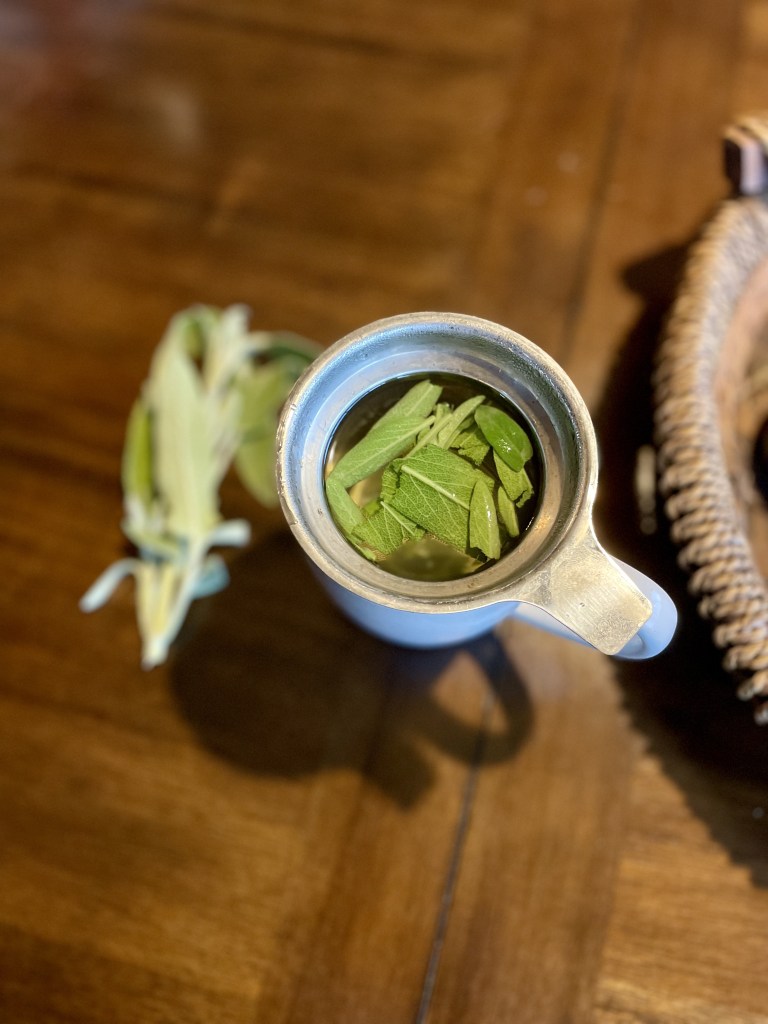
- Tea: 1-2 grams dried herb, 2-3 times a day3
- Infusion as a gargle for the throat, 3 times a day2
- Rosemary Gladstar’s Gargle: Soak sage leaves in vinegar, then add a little honey and a pinch of cayenne or salt4
- Tincture (1:5, 30% ABV): 1.5-2 ml (or 40 drops) in water, 2-3 times a day2,3
- Generally, moderate doses work very well for sage!
Cautions
Avoid large or medicinal doses of sage during pregnancy, and use caution while breastfeeding (see lactation section about effects on breast milk production). Do not use if you have epilepsy.2 Because Salvia officinalis contains thujone, large amounts over a long time are not recommended, nor are they necessary. Culinary amounts are generally fine.
Elemental and Planetary Associations
Sage is traditionally associated with Jupiter (Culpeper) and the Air element.5
Why? Its affinity for cognition and the mind as well as the lungs speaks strongly to the Air element. Additionally, its soft, fuzzy leaves and purple flowers reflect this elemental association. Sajah Popham writes in his book, Evolutionary Herbalism, that the Air element relates to three tastes: astringent, pungent, and bitter; sage is all three.
Sage’s warming, digestive qualities that help in the breakdown of heavy, fatty foods point to the expansive gas planet, Jupiter. The use of sage essential oil to expand the mind is also reflective of Jupiter—the King planet who knows no boundaries! Because sage acts so strongly on the mind, we can also link it to Jupiter, as Sajah teaches that “Jupiter remedies can help us to simply be happy by uplifting our hearts and minds.” He notes that plants under this planet’s rulership help expand our consciousness and reach past our perceived limits.8
Recipe of the Week: Thyme, Sage and Lemon Syrup
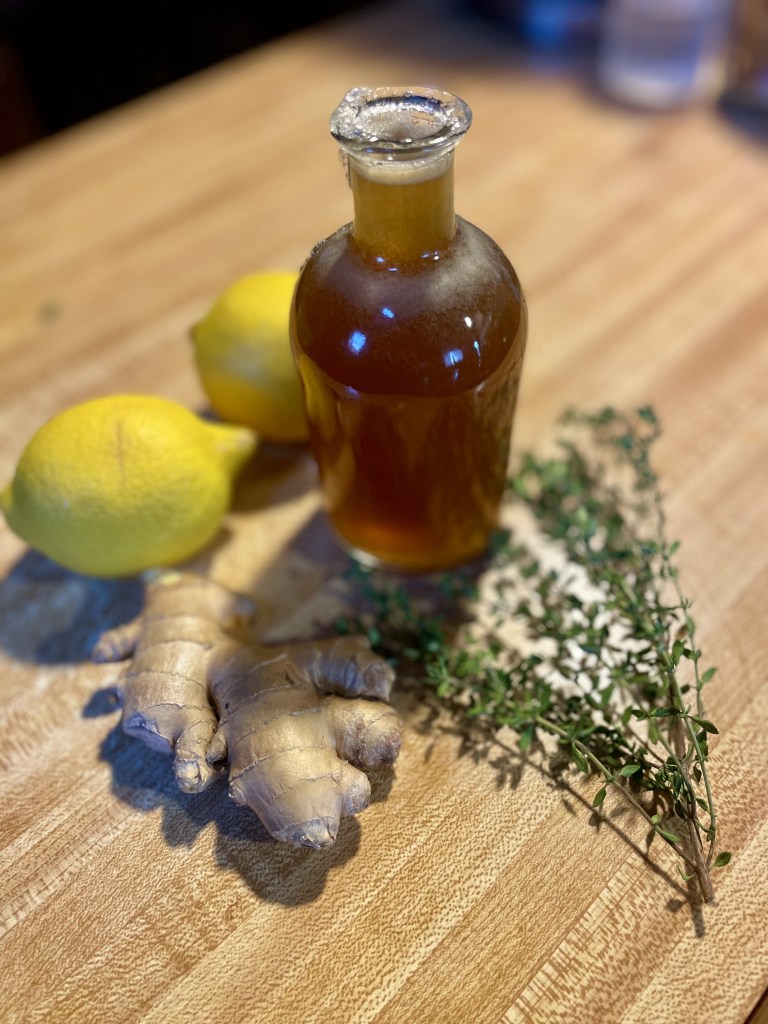
A callback recipe from my thyme episode! This is great for sore throats, coughs, or as a culinary drizzle. Inspired by Rosemary Gladstar’s recipe. Adapt and use what you have!
Ingredients
- 1 cup water
- 2-3 Tbsp organic sage, dried or fresh
- 2-3 Tbsp organic thyme, dried or fresh
- 1 Tbsp organic lemon zest
- 1 Tbsp fresh organic ginger, peeled and grated (sub 2 tsp dried if you don’t have fresh)
- 1-2 Tbsp organic lemon juice (approx. the juice of 1 lemon)
- 1 cup honey
Directions
- In a saucepan, bring water, lemon zest, and herbs to a gentle simmer.
- Cover and simmer on low for 15-20 minutes.
- Strain herbs from liquid and return the liquid to the pot (I recommend washing the pot to keep any plant material out of your finished product).
- Add honey and heat on medium-low heat, stirring constantly, just until dissolved and thoroughly mixed. I get mine to bubble just a little!
- Remove from heat, stir in lemon juice, and let cool.
- Store in a clean glass jar in the fridge for up to 2 weeks.
Use and dosage
- Adults: 1 Tbsp as needed for sore throat or cough
- Kids (over 1 year old): 1 tsp
- Can also be added to tea or flat/sparkling water
Note: Avoid giving honey-based syrups to children under 1 year. Sage and thyme in large amounts are not recommended during pregnancy or breastfeeding.
If you make the syrup, or a variation of it, I’d love to hear about it!
Sources and Recommended Reading
- Touwaide, Alain, and Emanuela Appetiti. “Herbs in History: Sage.” AHPA ERB Foundation, October 2023. Accessed Nov. 9, 2026. https://www.ahpa.org/herbs_in_history_sage
- Chevallier, Andrew. Encyclopedia of Herbal Medicine, p. 135. DK Publishing, 2023.
- de la Forêt, Rosalee. “Sage Uses and Plant Monograph.” Learning Herbs. Accessed Nov. 9, 2026. https://www.learningherbs.com/blog/sage-uses
- Gladstar, Rosemary. Herbs for Common Ailments, pp. 61-62. Storey Publishing, 1999, 2014.
- Culpeper, Nicholas. The Complete Herbal, 1653. Project Gutenberg, eBook #49513. Accessed Nov. 9, 2026. https://www.gutenberg.org/ebooks/49513
- Engels, Gayle. “Herb Profile: Sage.” HerbalGram, issue 89, pp. 1-4. American Botanical Council. Accessed Nov. 9, 2026. https://www.herbalgram.org/resources/herbalgram/issues/89/table-of-contents/herbalgram-89-herb-profile-sage/
- Groves, Maria Noel. Body Into Balance, pp. 173 and 250. Storey Publishing, 2016.
- Popham, Sajah. Evolutionary Herbalism, pp. 304-306, 351-353. North Atlantic Books, 2019.


Leave a Reply