Nepeta cataria; Lamiaceae (mint) family
History & Growing:
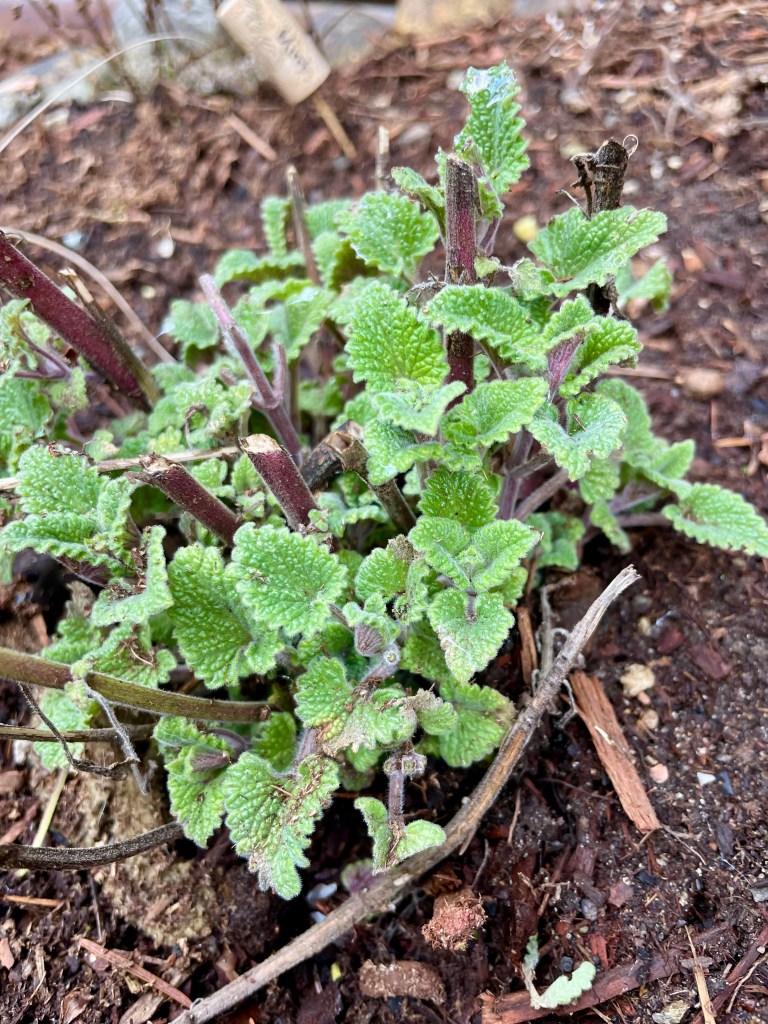
An herb loved by cats and kitties, catnip is sure to capture your heart as well! With fuzzy, aromatic leaves that sooth digestion and ease nervousness, catnip has been safely used to comfort young children as well as adults. Catnip is native to Europe and the Mediterranean but is now grown just about anywhere. It is easy to grow from a start or root division and will self-sow if it is happily established. While I’ve only grown the herb from root division, the seeds are said to be easy enough to grow and can be surface sown where you want the herb in early spring. This herb prefers full sun and well-draining soil. Catnip makes a lovely garden companion for its ability to deter pests. Mine grows happily (and has spread into a small colony) next to lemon balm, mint, and mullein. It is a perennial plant that comes back every year, and grows up to 3 feet tall. Like most mint family herbs, it grows upward in spikes with square stems, fuzzy serrated, heart-shaped leaves, and boasts white/pink/purplish flowers when it blooms. You can get several harvests in a growing season; it is recommended to harvest the leaves before and right up until the plant flowers (it can get woody, much like lemon balm) As the name implies, the herb has a euphoric effect on cats! This could be due to its high volatile oil content which makes it a wonderful pest repellant.
Parts Used Medicinally: Aerial portions
Supplementation forms: Catnip makes a tasty tea, but it can also be tinctured or made into an ointment for topical application. Interestingly, the tincture can be applied topically for conditions like rheumatism and arthritis. The essential oil is popular for insect repelling as well as for its relaxant properties.
Taste: Pungent, astringent
Energetics: Cooling & warming, drying
Actions:
- Antioxidant
- Anti-inflammatory
- Anti-microbial
- Astringent
- Mild Antispasmodic (relaxes muscles of the gut)
- Mild Bitter
- Carminative
- Digestive stimulant
- Emmenagogue
- Stimulant diaphoretic
- Nervine relaxant
Body Systems and Organs Supported by Catnip Supplementation:
- Digestive (stomach, GI tract)
- Nervous system
Traditional Uses:
- Respiratory afflictions (cough, sore throat, asthma)
- Fevers, pneumonia
- Stomach ailments (diarrhea, gas, bloating, IBS, stomachache & toothaches)
- To calm nerves, sooth colic in infants
Current Uses & Studies:
- Very similar to traditional uses! Fevers, digestive ailments, and an overall relaxing herb that can help soothe sleep disturbances
- Its odor can help repel insects, making it a good natural bug repellent
Dosage: Standard herb doses
- 2 tsp dried herb (approx. 1 T. fresh) 1-3 times per day per 6-8 oz water
- 1 tsp Tincture (2-5ml) 1-3 times per day
Contraindications:
- Not recommended in pregnancy
When to reach for catnip (and in what form):
- Nervous digestion that flows upwards – aka butterflies! (tea form)
- This herb is indicated for social anxiety, nerves before a big presentation at work or perhaps an athletic event
- Great for kids!
Planetary, Elemental & Dosha Discussion:
- Water element plant
- Venus per Culpepper, Moon per Sajah Popham (SOFT, silvery, blue color in the leaves with white purple flowers; actions on nervous system/calming nervine & carminative)
- Vatta – like plant, good for sympathetic vatta constitution treatment for symptoms like nervousness, insomnia, indigestion but could be aggravating. The stimulating effects could benefit sluggish kapha digestion and soothe the fiery pitta dosha, but formulation for all dosha’s may be wise to avoid constitutional imbalances.
Citations & Recommended Reading:
- The Encyclopedia of Herbal Medicine, Andrew Chevallier
Recipe of the Week:
Nervous Tummy Tea
Equal parts dried, organic:
- Catnip
- Chamomile
- Lemon Balm
- Welcome additions: Tulsi (substitute Rose or Lavender)
Combine herbs in an infuser, tea bag or tea ball, or a mug. Cover with hot water and steep for 15-30 minutes. Strain, sweeten to taste, and enjoy!
 Kawaoka Coaching
Leave a comment