“Once your life has been saved by a plant, nothing is ever the same again.” – Stephen Harrod Buhner from The Generosity of Plants
As a female herbalist and coach, I want to acknowledge that I am just a listener, observer, visitor, and supporter in the realm of men’s health and vitality. I don’t claim to have all the answers – nor do I claim to be a medical professional. Supporting men and their longevity, whether they be our fathers, partners, clients, or athletes, is deeply important to me. Men’s health, specifically sexual, hormonal and prostate health, is an often misunderstood and under-acknowledged topic, probably because it’s hard for men to discuss the subject openly. Today’s episode is about bringing awareness and education to a taboo subject and discussing herbal allies to support male (and prostate) health. This blog is a direct result of listening to the men in my life as well as the research and remedies I have formulated to support them.




According to the American Cancer Society:
- 1 in 8 men will be diagnosed with prostate cancer.
- Outside of skin cancer it is the most common cancer among men in the US.
- Prostate cancer is the second-leading cause of cancer death in American men, behind only lung cancer
Allopathic vs Herbal Approach: How modern medicine and herbalism can work together
Allopathic medicine excels in detection and treatment when disease is present. Tools like PSA testing, imaging, and physical exams allow providers to monitor prostate health and detect disease early. Screening for prostate health often begins around age 50, but if you have a strong family history or genetic risk factors, it’s recommended to start as early as 40 or 45. Genetics play a key role in prostate health. For example: A father or brother with prostate cancer increases your risk. Screening is key for early detection and provides you with information that you can pair with lifestyle, nutrition, and herbal support to live each chapter of your life to the fullest.
Herbal medicine shines when it comes to prevention. Daily teas and tinctures, holistic lifestyle practices for stress management, as well as a balanced diet can reduce inflammation, support hormone balance, and strengthen tissue integrity over time. These systems don’t have to be mutually exclusive. When used together, they can offer preventative practices, early detection and long-term support. Herbal remedies can take pressure off an overloaded healthcare system, while modern medicine can detect and effectively treat serious and/or life threatening diseases.
Andropause
Just like menopause in women, men go through a mid-life hormonal transition commonly referred to as andropause. Starting around age 40, testosterone gradually declines by about 1% per year, but unlike menopause, there’s no clear physical marker, like a cessation of menses. Testosterone testing is available and can provide insightful information. Very briefly: testosterone replacement therapy (TRT) may provide relief for individuals, but comes with its own risk factors, such as an increased risk for prostate cancer, therefore careful consideration is advised.
Hormonal changes in men can be subtle, so this transition often goes unnoticed and unspoken. While women tend to openly discuss their physical and emotional changes with one another, men are often conditioned to keep these experiences private, making hormonal shifts feel isolating or confusing. Many men experience fatigue, low motivation, irritability, depression, disturbed sleep, reduced libido and/or mood swings without fully understanding the root cause.
During this time, it’s not uncommon to see a career change, a new relationship, a flashy car, or even a return to hobbies and behaviors reminiscent of the teen years. These changes can feel sudden or impulsive, with new pursuits, possessions, or identities offering a temporary fix or sense of vitality and control. Oftentimes this a reflection of the body and mind adjusting to deeper hormonal shifts and imbalances during this natural life-stage transition.
Today, we’re focusing on herbal allies that can offer balance, vitality, mood support and resilience for male athletes to support a healthy, holistic transition into mid-life. As an interesting side note, because men are often reluctant to go to the doctor, I am hopeful that herbal remedies can help support non-life threatening patterns while offering men a few comfortable self-care practices.
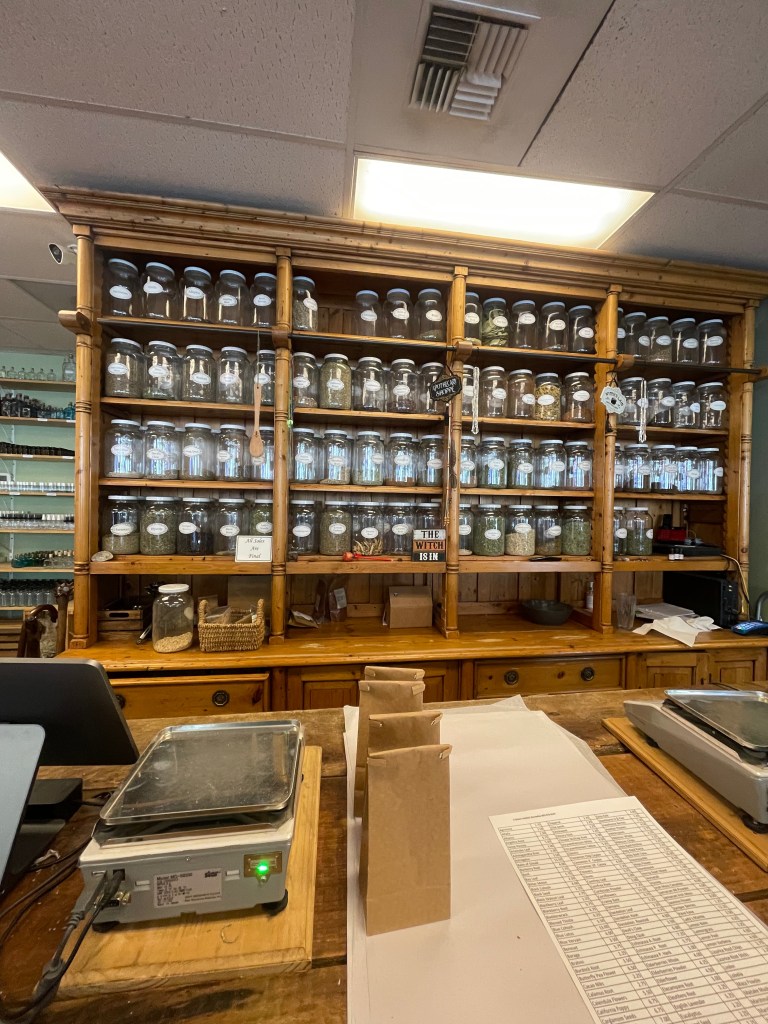
4 Sisters Apothecary
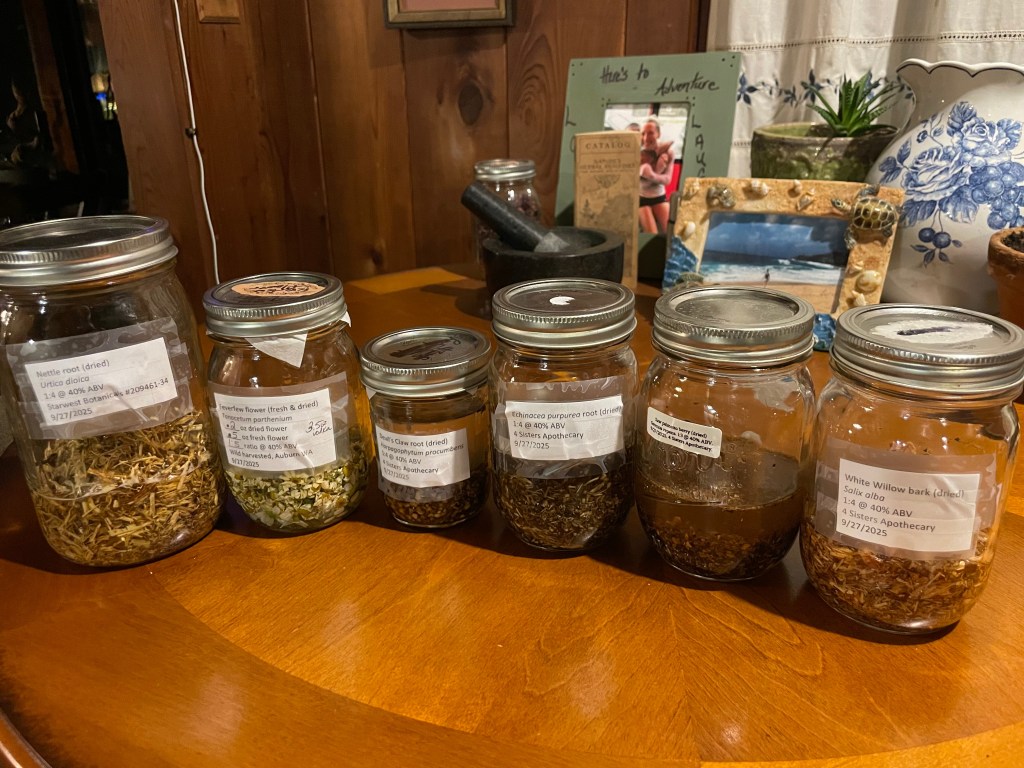
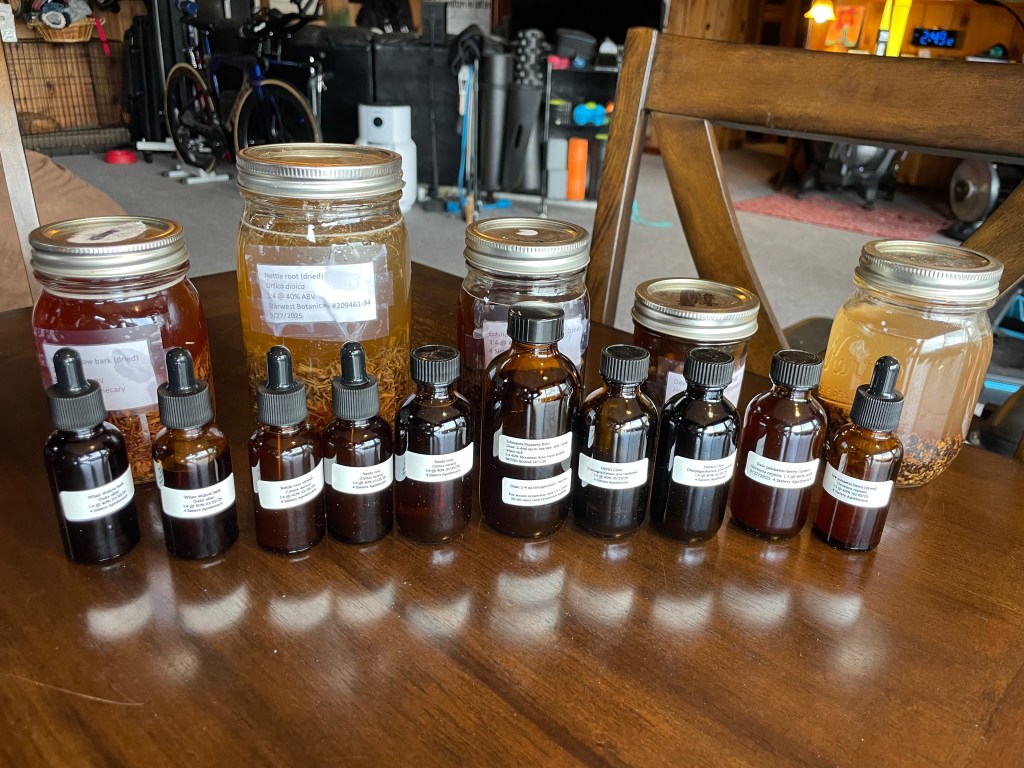
Prostate-Supportive Herbs
Herbs with an affinity for the prostate and male reproductive system.
What is the prostate? The prostate is a small, firm, slightly muscular gland in the male reproductive system that surrounds part of the urethra. The prostate gland makes extra fluid in semen that contains enzymes, zinc and citric acid. This fluid helps nourish sperm cells and lubricate the urethra. Muscles in the prostate also help push semen into and through the urethra during an orgasm. [3]
What is DHT? Per the Cleveland Clinic: Dihydrotestosterone, or DHT, is a hormone that contributes to the development of sexual structures and characteristics in males. When DHT levels are too high or too low, it can cause different issues depending on your age and stage of sexual development. DHT is 3-10 times more potent than testosterone, and not necessarily in a good way. High DHT levels encourage the prostate to become enlarged and correspond with balding and other prostate problems. Along with high estrogen (estradiol) levels, excess reproductive hormones pose a greater risk from prostate issues, like benign prostatic hyperplasia, or BPH (enlarged prostate), and cancer. [1]
Note: while women also have varying levels of testosterone, we are focusing fully on men today.
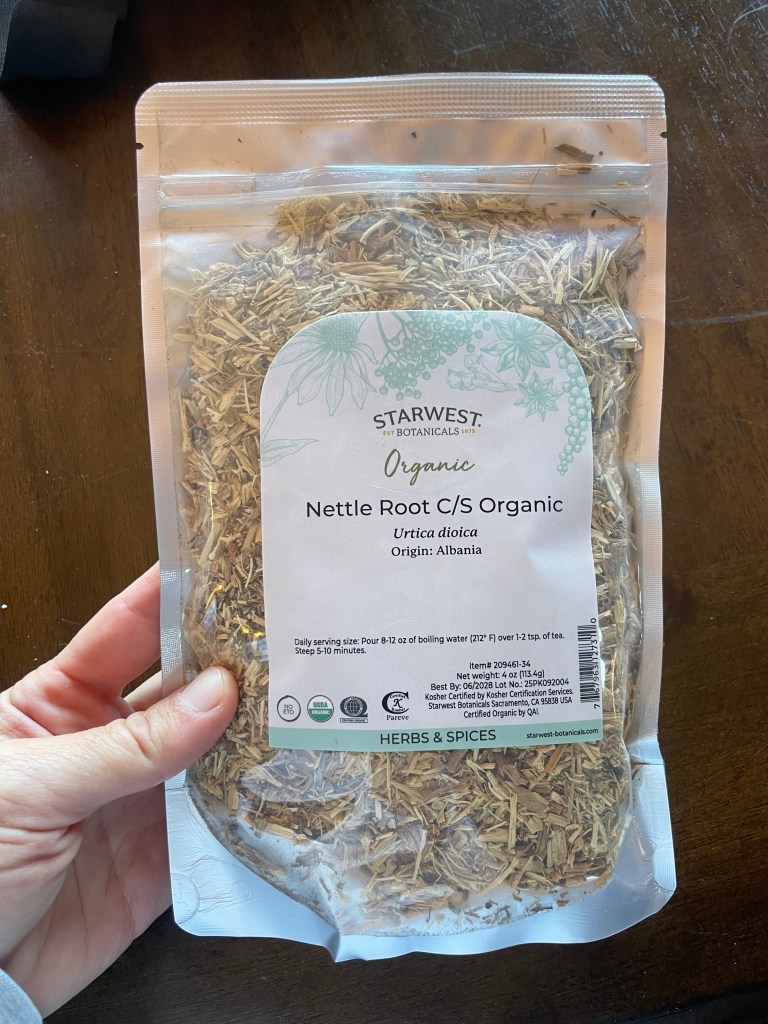
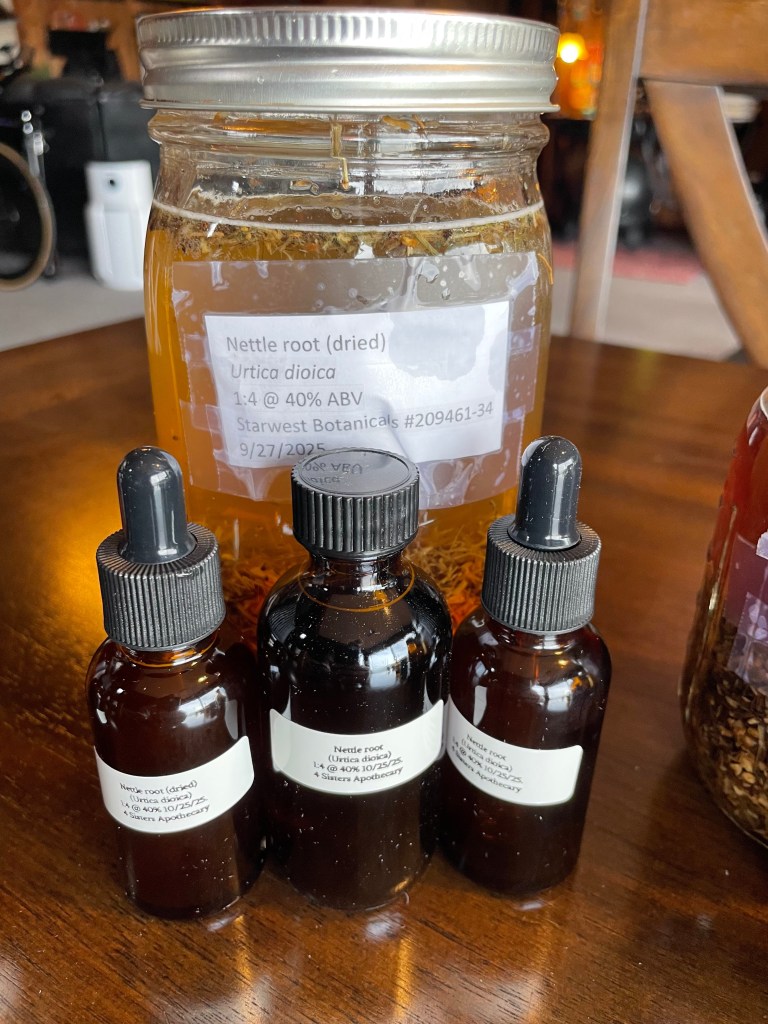
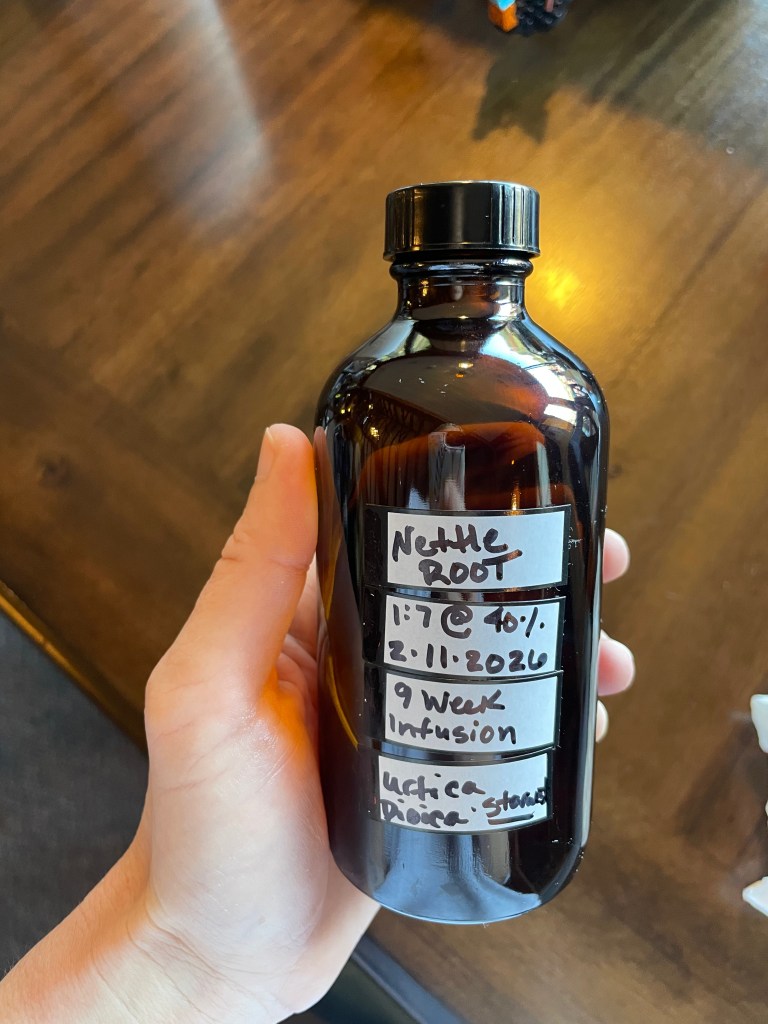
- Nettle Root (Urtica dioica)
- Tonic herb with an affinity for the urinary, endocrine, and reproductive system
- While the leaf, root and seeds of nettle are all medicinal, I especially enjoy utilizing nettle root when caring for the “roots” of the male body.
- Consumed as a tea, decoction or tincture, nettle root has a long history of relieving symptoms associated with benign prostatic hyperplasia (BPH).
- Clinical studies and research have shown nettle root is effective in treating BPH. It can help improve urinary flow and reduce symptom severity of BPH, particularly when used consistently over time
- Nettle root can interfere with the binding of DHT to receptors. As a reminder, DHT is one of the primary hormones involved in prostate enlargement. In vitro research also suggests that certain compounds in nettle root may help regulate prostate cell activity by influencing cellular energy mechanisms. In simple terms, it may help calm the overactive growth seen in BPH. [5]
- Nettle root can help relieve inflammation with its balancing, modulating properties, effectively reducing irritation and symptoms.
- Saw Palmetto (Serenoa repens)
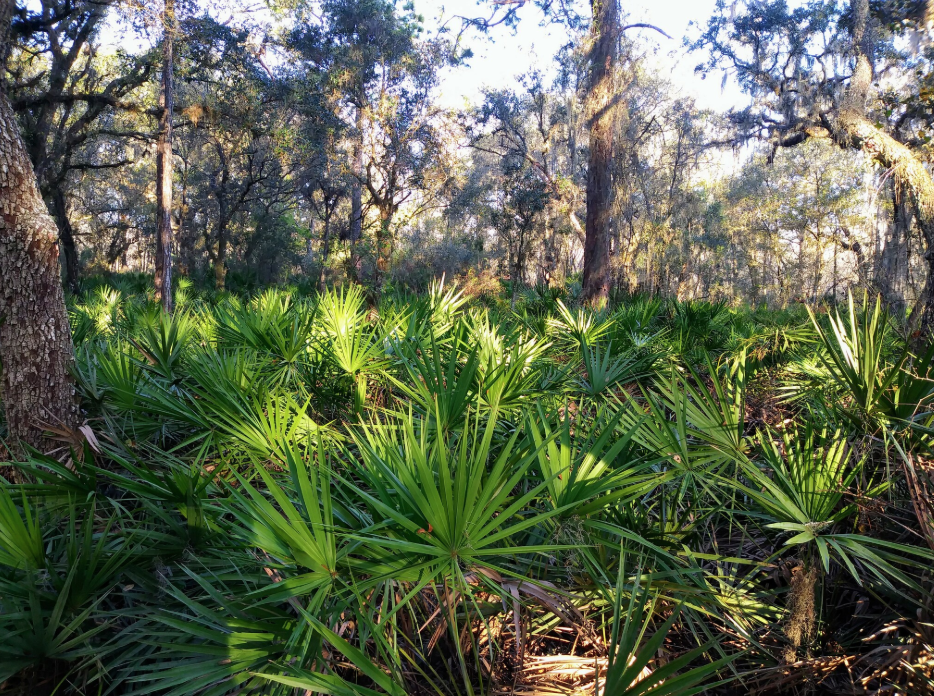
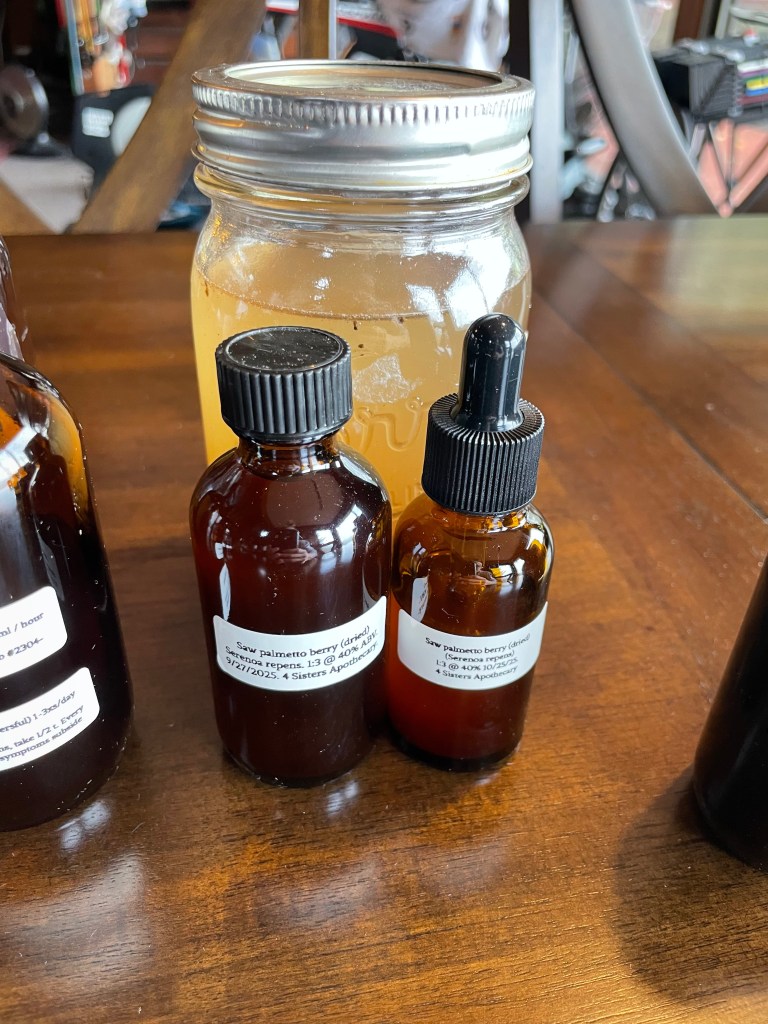
- Saw palmetto berry is a revered nourishing, anti-inflammatory reproductive system tonic. It has a long history of use in managing benign prostatic hyperplasia (BPH), cystitis and supporting overall prostate, bladder and urinary function. European studies show that a lipid extract of saw palmetto is effective in reversing prostate enlargement, and is considered the standard treatment for said condition. [4]
- The fatty compounds in saw palmetto are best supplemented long term, daily as a capsule (320mg total per day [1,2]) or as a quality, highly concentrated tincture.
- Saw palmetto not only reduces the amount of testosterone that gets converted to DHT, it also makes it tougher for DHT to bind with prostate cells. According to Maria Noel Groves, saw palmetto can help normalize endocrine gland hormone function and discourage estrogen. Studies suggest that saw palmetto (alone or with other plant extracts) has the strongest evidence for helping with BPH (enlarged prostate). It can improve urinary symptoms like flow and frequency and is generally well tolerated, associated with less side effects than pharmaceutical medication, and affordable.
- Saw palmetto is often paired with other prostate-friendly herbs like nettle root for a stronger, more synergistic support for the prostate. In fact, a study in the 1990’s showed the effectiveness in utilizing both herbs to treat BPH, showing “clear improvement” compared to a placebo and similar results to finasteride, but with fewer symptoms [4]
Complementary Herbs for Male Health
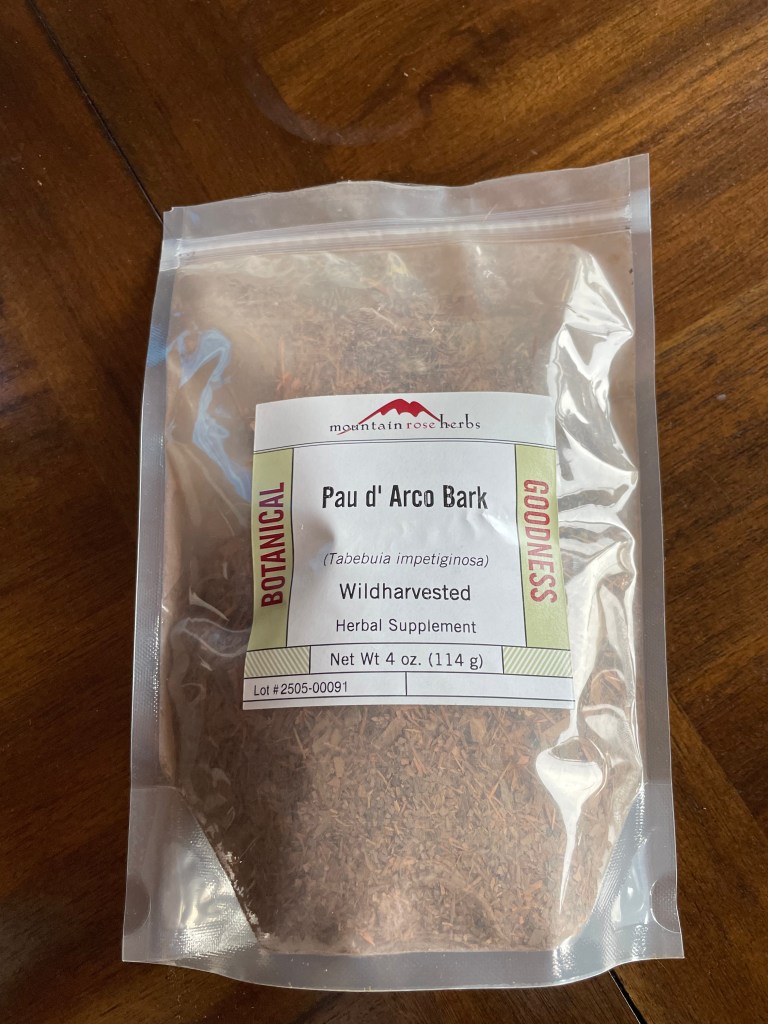
Pau D’Arco (Tabebuia impetiginosa)
• While not a direct prostate tonic, pau d’arco’s immune and inflammation-modulating actions can help maintain a healthy internal environment and complement other herbs that act more directly on the reproductive system.
• High in antioxidants and anticarcinogenic properties, the bark of this South American tree is often used in cancer-adjacent protocols to support the immune system. Though clinical research has failed to produce positive results, clinical experience in Brazil and global use by herbalists support pau d’arco is “beneficial in the treatment of cancer.” It is widely revered as a “cure-all” among indigenous people. [4]
Preparation: Tea or decoction, tincture/extract, capsule
Burdock Root (Arctium lappa)
• Highly nutritive herb that supports liver function, digestion (particularly of fats and oils) as well as the skin and lymphatic system.
• As an alterative, burdock supports the endocrine system and metabolic clearance through elimination – helping maintain a healthy and balanced internal environment.
• A gentle, nourishing herb suitable for teens through aging males, making it a versatile addition to overall wellness protocols.
Preparation: Tea, decoction, broth, astringent wash, vegetable
Moistening + Soothing Herbs
Herbs with an affinity for the urinary tract that sooth irritation, inflammation and dryness.
Cleavers (Galium aparine)
• Cooling, lymph-moving herb best used fresh to support urinary and kidney problems.
• Often used for swelling, water retention and pain in the sensitive reproductive areas
Preparation: succus/juice, cold infusion, tea
Corn Silk (Zea mays stigma)
• Soothing, demulcent diuretic with antibacterial actions to support the prostate and bladder
• Soothes irritation and inflammation while battling infections.
Preparation: Tea or decoction
Milky Oats (Avena sativa)
• An emollient, nervous system nourishing herb that supports a depleted, burnt out system. Milky oats have soothing, balancing, restorative actions, and some consider it to be an adaptogen
Preparation: Extract
Licorice Root (Glycyrrhiza glabra)
• Very tasty “messenger” herb known for synergistic effects on formulates. Licorice is a warming, moistening adrenal support herb
• Note: high dose, long-term supplementation is not recommend particulalry in cases of high blood pressure. However, licorice usually only makes up 5-10% of most formulas.
Preparation: Tea, decoction or extract
Adaptogens
Herbs to help stress response, support restful sleep, improve libido & restore resilience
Ashwagandha (Withania somnifera)
- Long-term supplementation (see note below on dose) can help restore low energy levels & libido, improve sleep as well as physical stamina, and offer nourishment in times of depletion due to stress
- Restorative root ideal for sexual problems resulting from chronic high stress.
- Preparation: Makes a nice herbal chai simmered in milk (traditional) but extracts, powders, broths, and teas are great ways to supplement ashwagandha. It needs a few weeks of regular intake to ‘take root.’
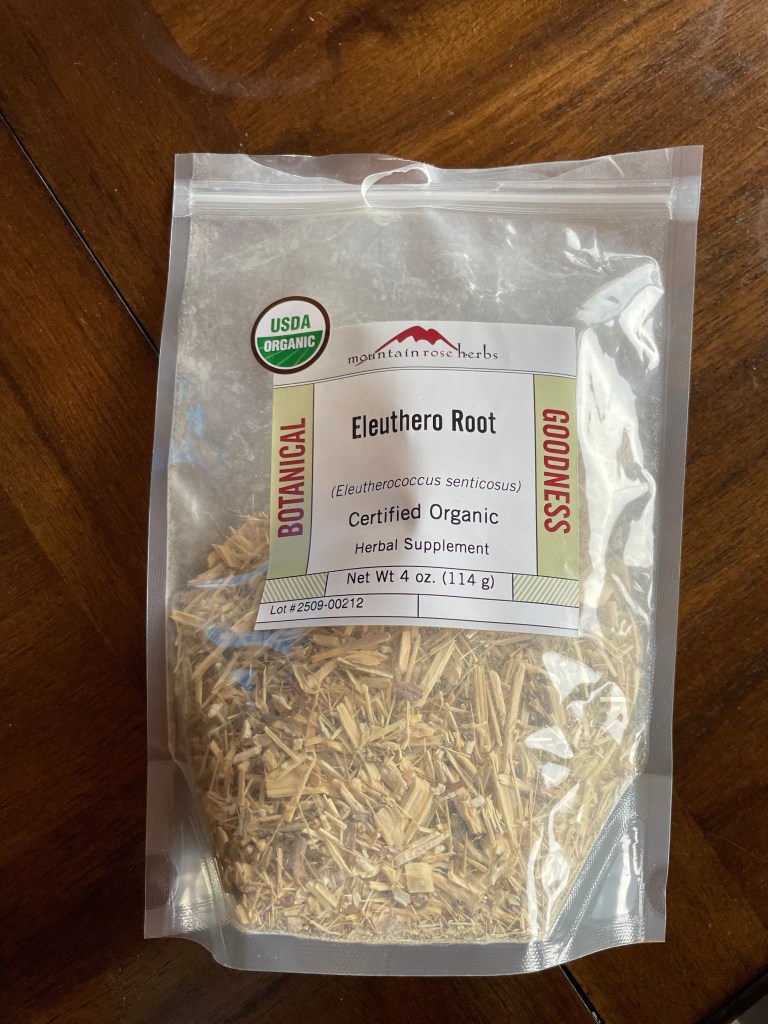
Eleuthero (Eleutherococcus senticosus)
• A versatile, well-known and well-researched herb that supports immune system and long-term exposure to environmental stress
• Eleuthero supports adrenals, improves stamina and energy – making it a choice herb for high-output, high-stress athletes struggling with diminished or imbalanced hormone levels, low libido, and those under intense pressure. Long term, dose-appropriate supplementation is key.
Preparation: Neutral in taste and energetics, it blends well in a tea or decoction. Tincture extracts or powders are most convenient for regular dosing.
Note: 4-6 weeks of regular supplementation, followed by 1 week of discontinued use, is the traditional herbal guideline for adaptogens.
Diet for Prostate Health
Men’s health is impacted by stress, diet, genetics, hormones, and more. Consuming a healthy, whole foods diet rich in immune-boosting vitamins and minerals while limiting caffeine, alcohol, fried foods and sugar can reduce your chances of prostate complications and can help reduce infection time.
Lycopene-Rich Foods: Lycopene (deep red pigment) is an antioxidant with a strong affinity for the prostate and cancer prevention. Tomato-rich and lycopene-heavy diets are associated with a lower risk of prostate cancer.
Sources of lycopene:
• Tomatoes, tomato sauce, and ketchup!
• Watermelon, pink grapefruit
• Carrots, rose hips
• Goji berries
Zinc + Pumpkin Seeds: A normal, healthy prostate contains more zinc than any other organ in the body
- Maria Noel Groves recommends 11-15 mg of zinc daily to help keep the prostate gland functioning well while reducing risks of cancer and relieving BPH symptoms. Rosemary Gladstar mentions that short term higher doses (closer to 40mg daily) may help with accute patterns, as in the case of prostate enlargement or infection. [1,2]
- Pumpkin seeds are rich in zinc and contain cucurbitacins. These help prevent the conversion of testosterone to DHT. They can also help tighten and tone tissue in the reproductive system, potentially reducing BPH symptoms. According to studies, pumpkin seeds and pumpkin seed oil’s positive effects likely come from inhibiting damaging effects of testosterone and DHT. [1,2]
Exercise & Prostate Health
• Aerobic exercise: Active men tend to have fewer and less severe BHP symptoms, most likely because exercise can help reduce inflammation, normalize hormone levels, and manage stress. A common stressor for the prostate is being seated a long time: desk job, driving and commuting, sports like cycling. Exercise that relieves pressure on the prostate, appropriate exercise attire, and regular bike fittings are smart, simple practices.
• Pelvic floor health: Kegels and pelvic floor PT for genitourinary health
• Stress reduction through movement, meditation, sleep hygiene and aforementioned balanced diet
Note on sexual activity: Regular sexual activity and a healthy libido are important for emotional and physical wellness. Higher levels of sexual activity after a period of inactivity can instigate prostatitis. [2] Rosemary, in her book Herbal Healing for Men, mentions herbalists like James Green discussing chronic, excess sexual stimulation without adequate release causing a buildup of energy and tension in the reproductive system, which can be a precursor to prostate problems.
Closing
• Herbs = preventative allies, not replacements for medical care
• Screening + early detection/treatment = imperative
• Encourage men & partners to open up about sexual and emotional health as part of physical health, and to think long-term.
Thanks for tuning in!
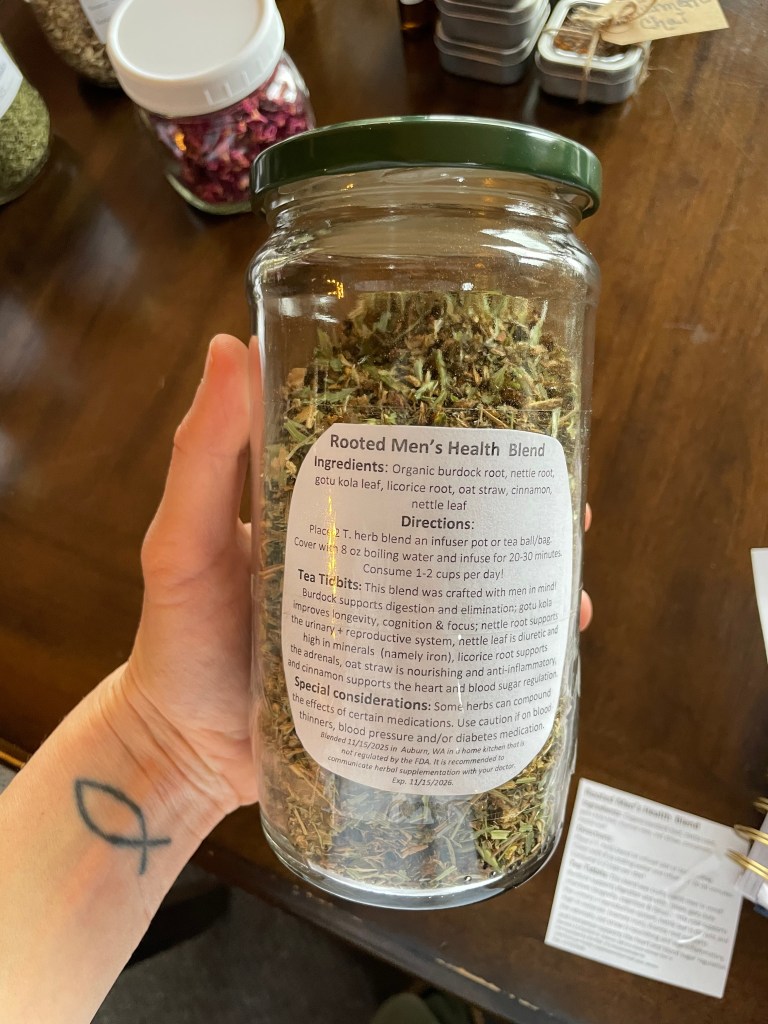
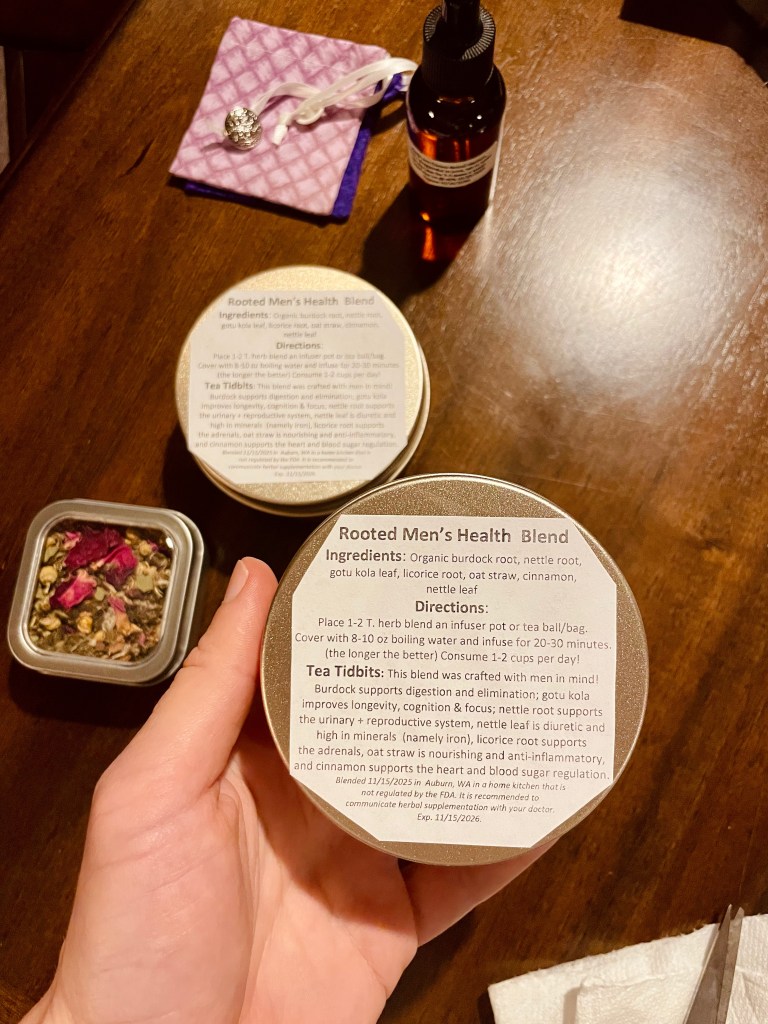
To order some of my Rooted Men’s Health Blend,
email me at becca@kawaoka-coaching.com
Sources & Recommended Reading
Sources:
1. Groves, Maria Noël. Body Into Balance: An Herbal Guide to Holistic Self-Care
2. Gladstar, Rosemary. Rosemary Gladstar’s Herbal Healing for Men
3. Cleveland Clinic. “Prostate: Location, Function & Anatomy.” Cleveland Clinic. Accessed February 17, 2026.
4. Chevallier, Andrew, Encyclopedia of Herbal Medicine.
5. Hryb DJ, Khan MS, Romas NA, Rosner W. The effect of extracts of the roots of the stinging nettle (Urtica dioica) on the interaction of SHBG with its receptor on human prostatic membranes. Planta Med. 1995 Feb;61(1):31-2. doi: 10.1055/s-2006-957993. PMID: 7700987.
6. Osterberg EC, Bernie AM, Ramasamy R. Risks of testosterone replacement therapy in men. Indian J Urol. 2014 Jan;30(1):2-7. doi: 10.4103/0970-1591.124197. PMID: 24497673; PMCID: PMC3897047.
Recommended Reading:
- American Cancer Society Key Statistics for Prostate Cancer
- Cancer.gov Prostate Cancer
- Berlise Yengwa Bakam, Romeo Urich Fosso, Timothy Grein, Derek Tantoh Ndinteh, Sebastian Maxeiner, Stéphane Zingue, Roman A Blaheta, Dieudonne Njamen. Cucumis sativus (Curcubitaceae) inhibits prostate carcinoma cell growth and prevents the testosterone-induced benign prostatic hyperplasia in Wistar rat. Journal of Functional Foods. Volume 114. 2024.
 Kawaoka Coaching
Leave a comment