The Active Herbalist Episode 46: Maternity Herbs for New & Expecting Mothers
9–13 minutes
read
Gentle Herbal Support for a Sacred Season
A Dandelion for My Mother
“How I loved those spiky suns, rooted stubborn as childhood in the grass, tough as the farmer’s big-headed children – the mats of yellow hair, the bowl-cut fringe. How sturdy they were and how slowly they turned themselves into galaxies, domes of ghost stars barely visible by day, pale cerebrums clinging to life on tough green stems. Like you. Like you, in the end. If you were here, I’d pluck this trembling globe to show you how beautiful a thing can be a breath will tear away.” – Jean Nordhaus, from Innocence, in The Generosity of Plants.
Today we’re focusing on maternity herbs! While I’m not a mother myself, I work closely with women in this season as a coach, trainer, and kitchen herbalist. I want to honor their bodies, their time, and their intuition in this podcast + blog alongside of my real-world work.
Important Safety Note
Not all herbs are safe during pregnancy – particularly those that stimulate the uterus or impact hormones. Pregnancy is a time of incredible sensitivity, and herbal support must be chosen with care.
At the same time, it’s important to understand why many herbs are labeled “not recommended in pregnancy.” Very little formal research has been done on pregnant women for obvious ethical and safety reasons. Because of this, many herbs don’t have enough (or any) clinical studies proving they’re safe. This doesn’t make an herb dangerous, it just means there isn’t enough (or any) data to prove it. Always consult your primary care physician of your herbal intake and supplementation when trying to become pregnant, have become pregnant, and if you are nursing.
Herbal support during pregnancy and lactation centers on gentle, nourishing plants that pose no risk to the mother, a developing life, and/or a breastfeeding newborn. These are often highly nutritive “food” herbs as well as gentle plants that sooth the nervous system while supporting digestion (bonus for digestive herbs that are known to ease colic in fussy infants!) Careful consideration of the mother, any allergies, all medications, and the unique stage of pregnancy is vital when choosing herbs for this special demographic.
Note: It is common to forego any herbal supplementation during the first trimester. Another recommendation for expecting and new mothers is to start with a small amount (or low dose) of an herb/herbal blend before increasing intake. For example, begin with 4–6 oz of a mild herbal tea (a smaller serving with a shorter brew time) before transitioning to the traditional 8 oz cup per day. If there are no adverse effects, you can then consider increasing to two 8 oz cups daily. I also lean into gentle topicals and nourishing infusions over alcohol extracts (tinctures) to deliver herbal support.
*As a reminder: this is a blog / podcast not professional medical advice!!
“Hurt no living thing: Ladybird, nor butterfly, nor moth with dusty wing, nor cricket chirping cheerily, nor grasshopper so light of leap, nor dancing gnat, nor beetle fat, nor harmless worms that creep.” – Christina Rossetti, in The Generosity of Plants.
Herbal Actions: What To Reach For
After the first trimester of pregnancy, here the herbalactions to look for in plant allies:
Nutritive Tonics: Gentle, nourishing herbs that act more like foods than medicine. They are high in vitamins and minerals and often consumed in larger, daily doses, like oats, red rapsberry leaf, nettle and dandelion.
GentleNervine Relaxants: Relaxing herbs that support the nervous system, ease tension & anxiety, and relieve insomnia – like chamomile. Nervines are anchors during times of emotional swings, uncertainty and stress. Again, an emphasis on gentle herbs vs strongly sedative or hypnotic nervines unless under the close supervision of a qualified professional.
Mild Digestive Herbs: Gentle support for nausea, bloating, morning sickness and appetite without overstimulation. I often look for nervines with soothing digestive properties to alleviate nervous digestion, such as mint, lemon balm, and chamomile.
Demulcent / Emollient Herbs: Most herbs are drying, so any moistening herbs, such as oats, shatavari, and marshmallow, are essential to balance formulas and supporting the skin, digestion, mucosa and reproductive system.
Galactagogue: Encourages breast milk production and supports healthy lactation, such as fenugreek, shatavari, and nettle.
Gentle does not mean weak. – jim mcdonald
Herbal Actions To Avoid
Equally important is understanding what to avoid during pregnancy:
Strong Bitters (Emetic in High Doses): Can overstimulate digestion or trigger nausea. Example: Gentian
Emmenagogues: Herbs that strongly move blood in the pelvic region and can stimulate menstruation. Example: Cohosh
Uterine Stimulants: Herbs that directly stimulate uterine activity—generally avoided unless under professional guidance. Example: Motherwort
The same herb can be supportive in one phase and inappropriate in another. Dose, preparation, individual, and timing MATTER.
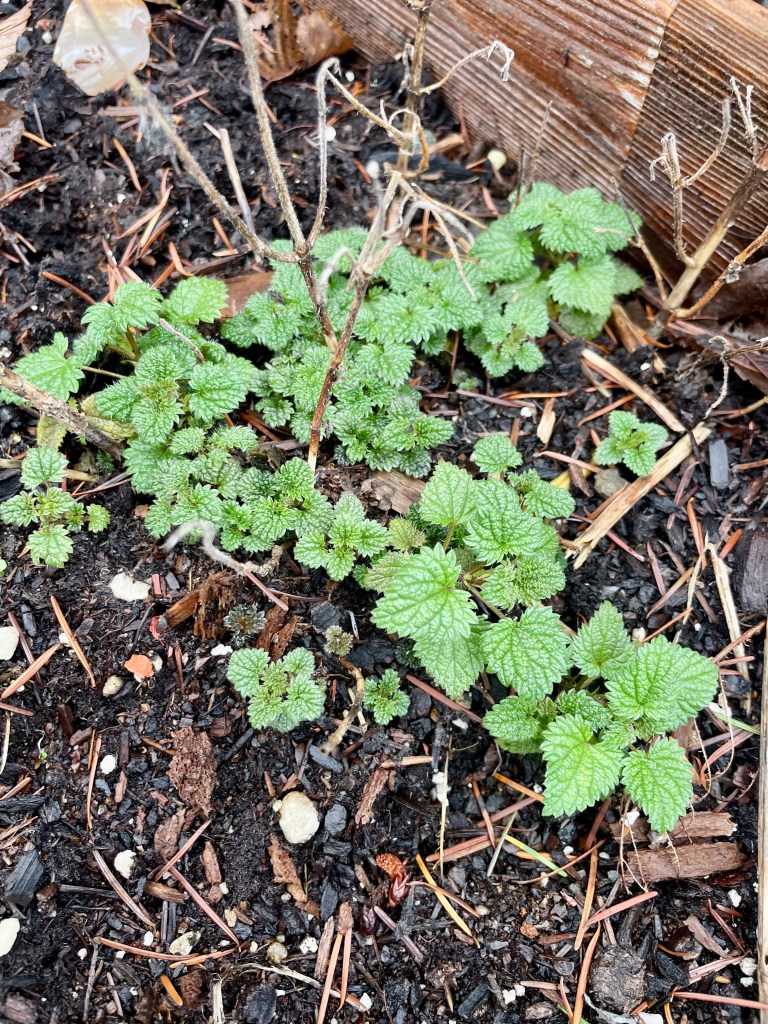
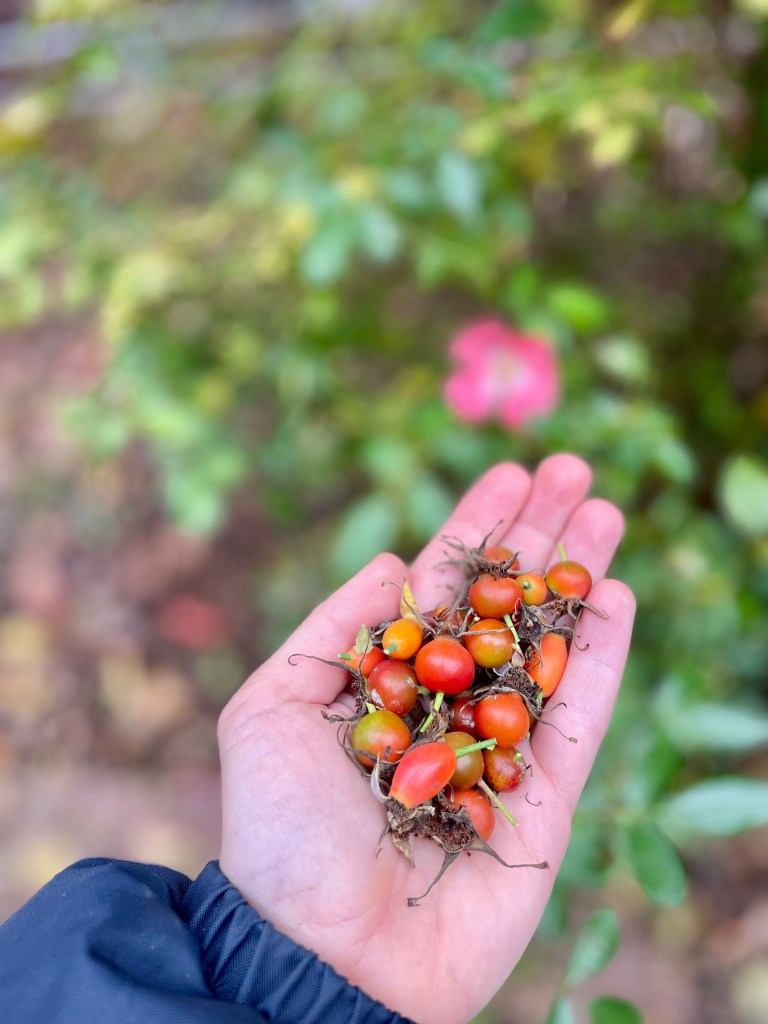
Spring nettlesFall rose hips
Gentle Herbs for Expecting & New Mothers
Here are a few of the plants I turn to when caring for mothers through pregnancy and postpartum, and why they offer gentle (but impactful) support:
Nettle (Urtica dioica)
Nutritive tonic high in vitamins and minerals like iron, calcium, and magnesium
Galactogogue (supports lactation)
Helps relieve seasonal allergies
Emotionally: I’ve often reached for nettles when feeling “easily nettled,” something expecting/new mother’s may relate to given the hormonal fluctations and stress of carrying a child or caring for a newborn.
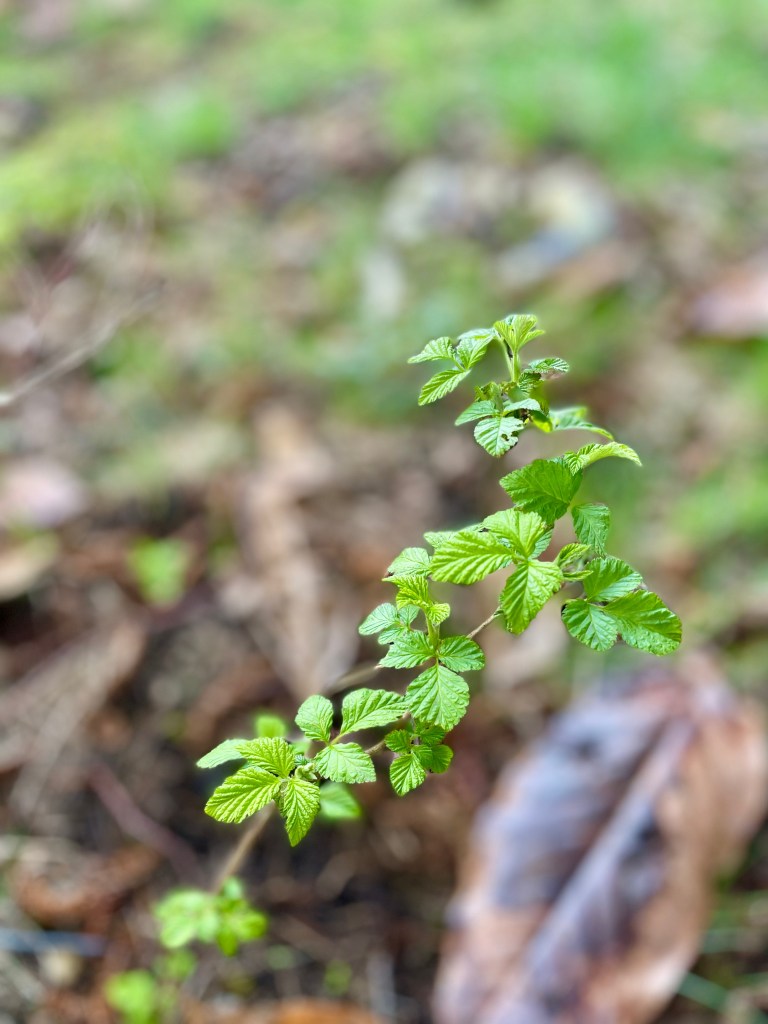
Red Raspberry Leaf (Rubus idaeus)
Highly nutritive tonic with mild astringency that helps support the digestive tract
Traditionally consumed in the third trimester to strengthen the uterus in preparation for labor
Mild in flavor and quite safe – even in large quantities, though Maria Noel Groves notes she recommends just 1-2 cups per day during the 2nd and 3rd trimester despite studies suggesting up to 6 cups per day are safe. [2]
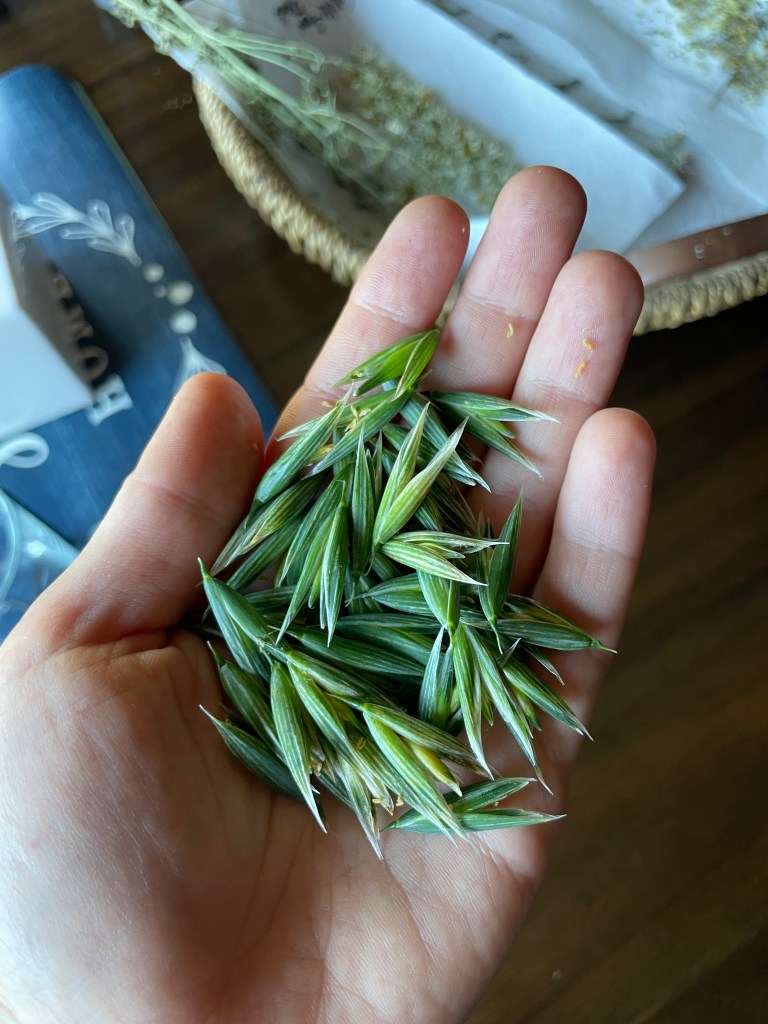
Oatstraw (Avena sativa)
Calms the nervous system and strengthens resilience, while providing mineral support. Oats are considered emollient, and some herbal literature suggests it is a mild galactagogue as well.
Emotionally indicated in times of overwhelm and stress as a gentle tonic nervine. Emollient herbs (emollient = soften hardness, soothes dryness) are especially powerful when somone feels emotionally closed off or hardened.
Oats don’t contain gluten but can be cross contaminated and may not tolerated in individuals with celiac’s disease.
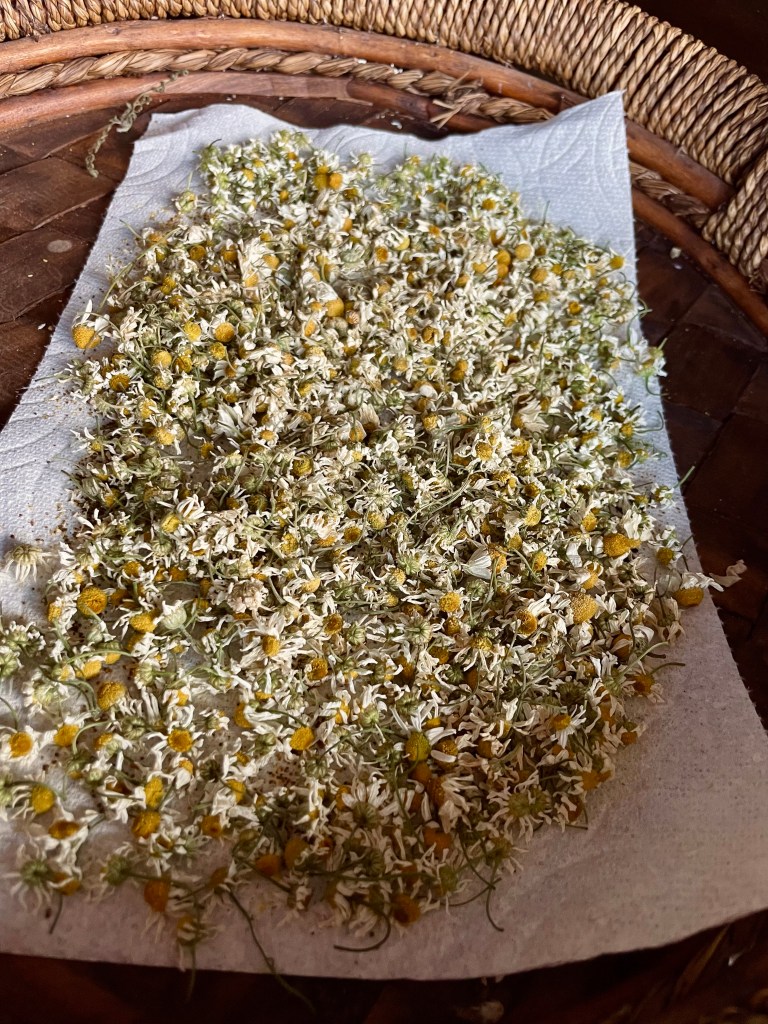
Chamomile (Matricaria recutita)
Soothes digestion, supports restful sleep, and eases anxiety.
Can help alleviate colic
Offers comforting fruity and floral flavors
Mint (Mentha spp.)
Cooling, cognitive herb that helps concentration and focus
Digestive support that also offers an uplifting, refreshing flavor.
Decongestant, supports sinuses and respiratory system
Traditionally employed to sooth colic in nursing infants.
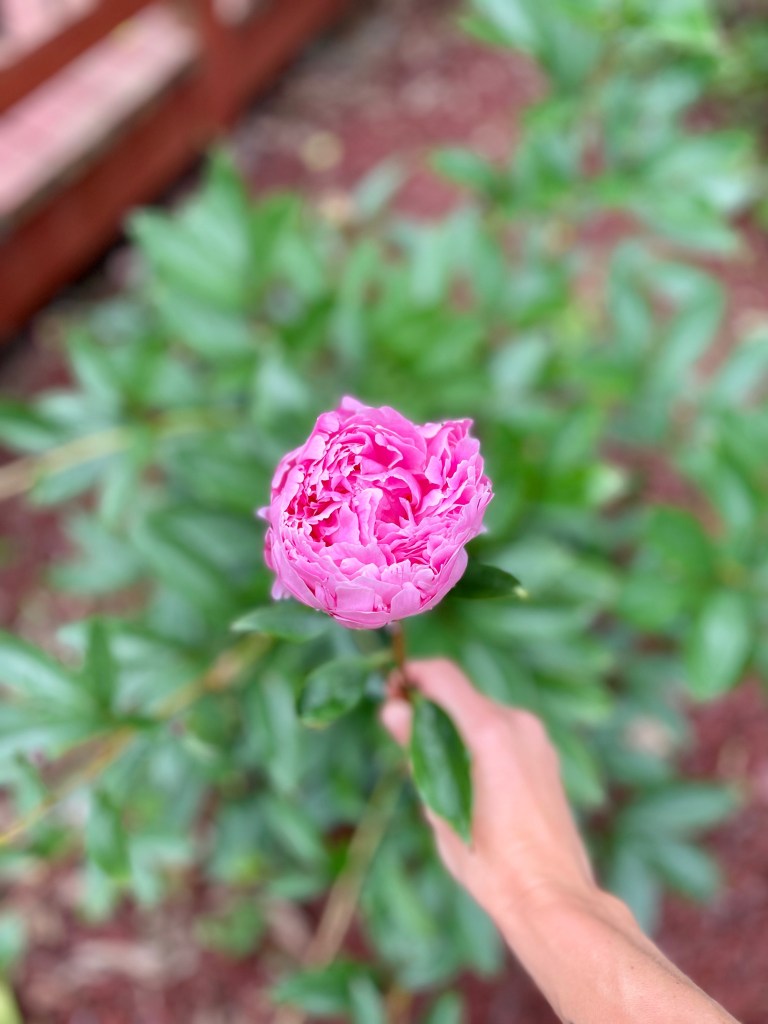
Rose (Rosa spp.)
Cardio tonic that uplifts and calms the nervous system
Gentle astringent and highly nutritive – great for your gut, hair, skin and nails!
Adds aromatics and beauty to a tea ritual.
Note: High doses of rose are not recommended during pregnancy. Rose petals are an aromatic note to my Nursing Cup Tisane – making up only 5% of the blend.
“On the banks, on both sides of the river, there will grow all kinds of trees for food. Their fruit will be for food, and their leaves for healing.” Ezekiel 47:12
ChamomileOat topsCalendulaRed Raspberry
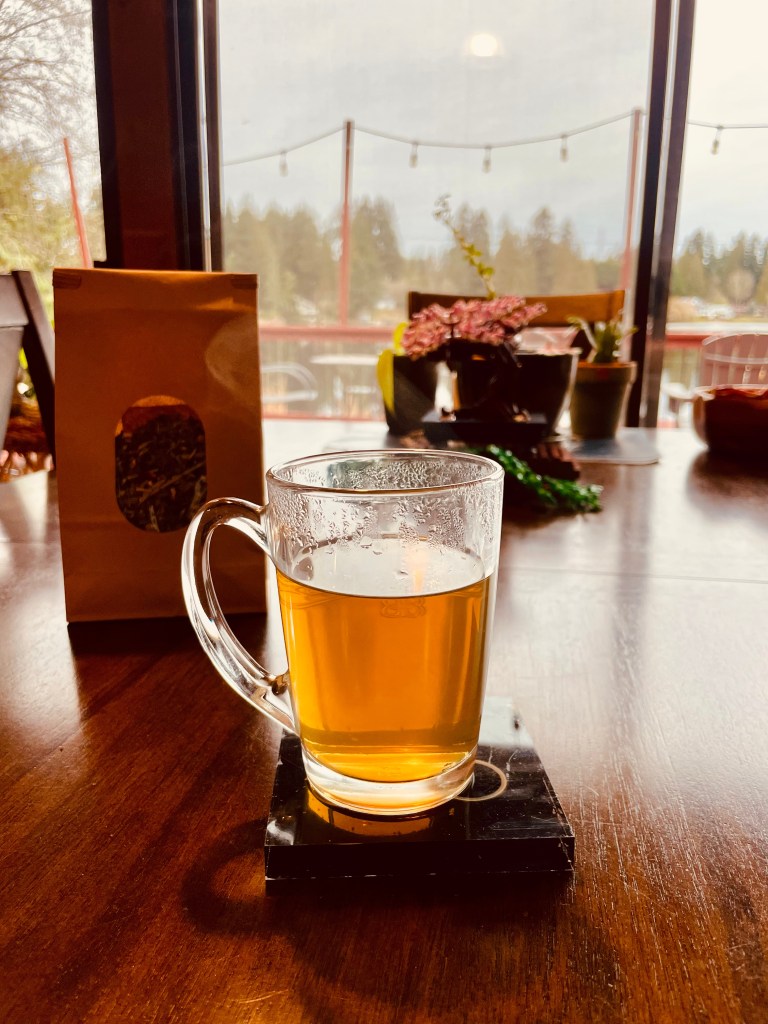
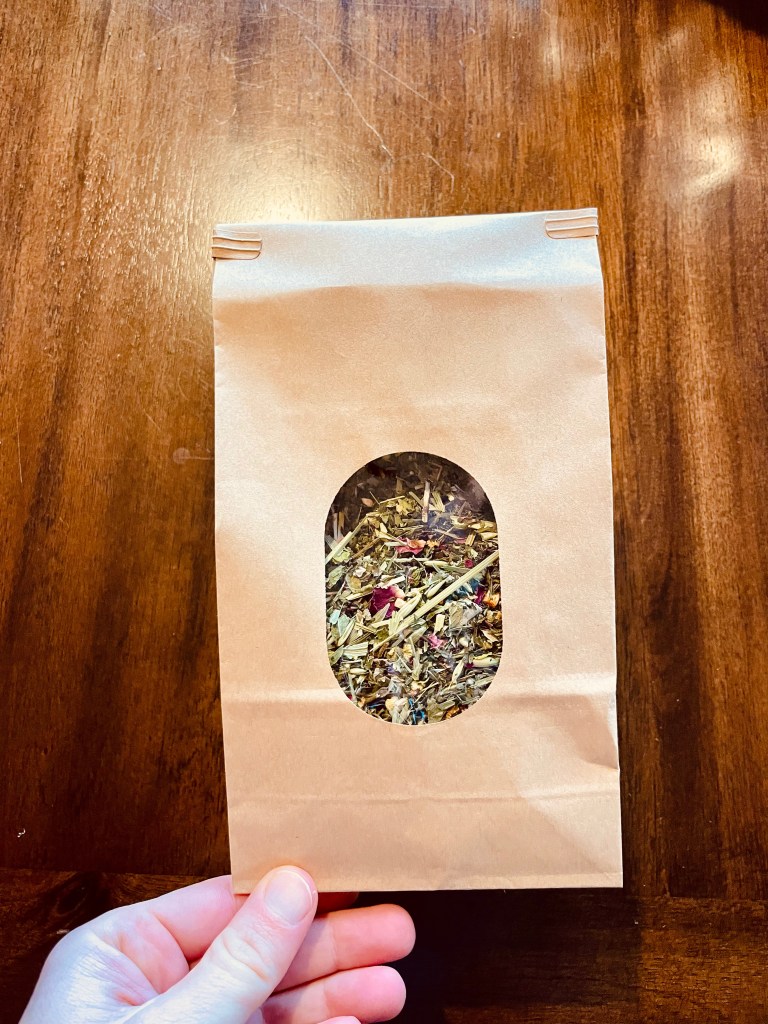
Bringing These Herbs Together: Nursing Cup Tisane
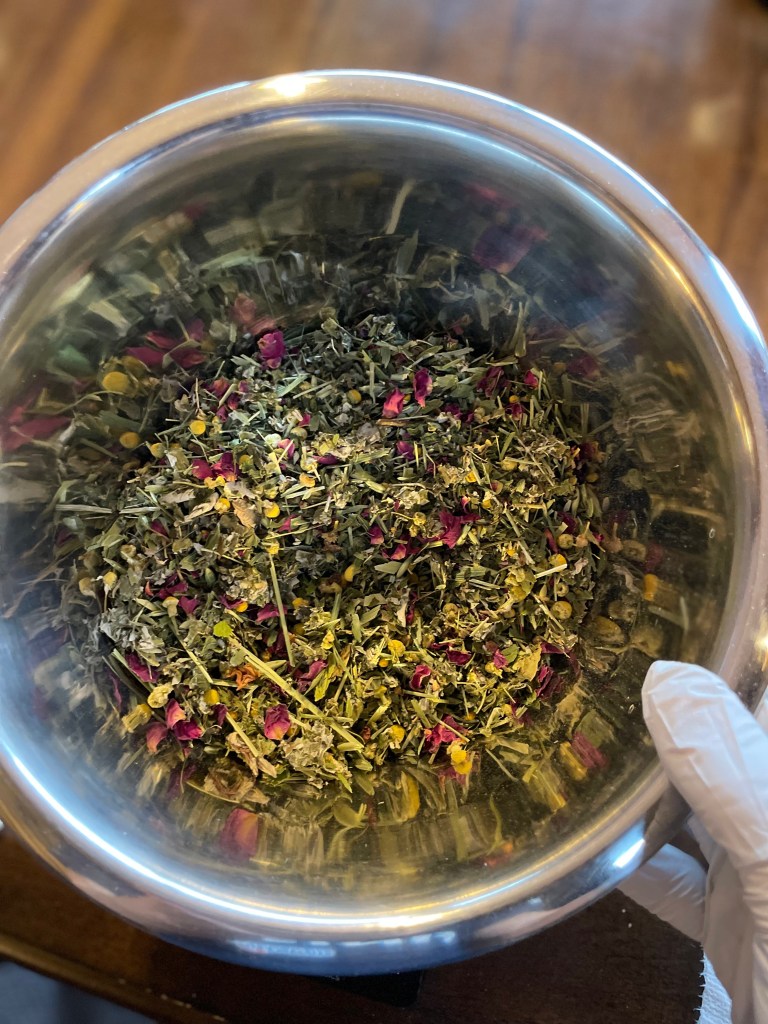
My favorite way to support new mothers is through my Nursing Cup Tisane, a gentle, nurturing blend crafted to nourish the body, support digestion soothe the nervous system, and uplift the heart. This pairs wonderfully with a healing calendula salve for chapped, cracked skin surfaces prone to irritation during breasfeeding as well as in sensitive areas (or scarring) that experienced trauma during labor.
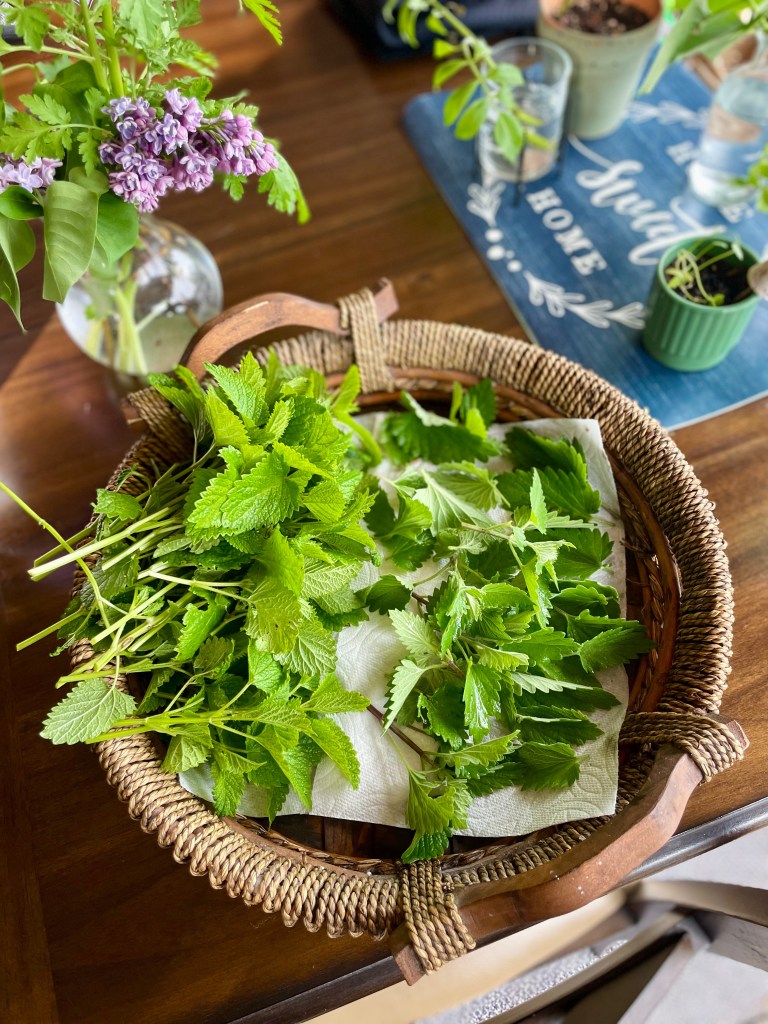
Mint – cooling digestive support with focus and cognition benefits; crisp refreshing flavor
Rose – soothing heart, skin and digestive herb; aromatic emotional support (5% of blend)
Alternative, Optional Ingredients:
Orange Peel, Hibiscus, Shatavari, Fennel
Lemon Balm, Holy Basil, Ginger – while some sources suggest these herbs may be consumed during pregnancy, others recommend waiting until postpartum. My philosophy: when in doubt, wait it out – Safety first!
Ingredients are customized depending on the mother’s needs, phase of pregnancy/postpartum, taste profile and current medications.
Each batch of Nursing Cup Tisane is uniquely formulated. My intention is for this tea to be consumed as a ritual: a moment of nourishment, calm, and reconnection for mothers navigating the later stages of pregnancy or postpartum period. Gentle, nutritive, and soothing – a celebration of self-care as one produces life! Email me at becca@kawaoka-coaching.comor (click here for my herbal intake form) to customize an order.
Custom Nursing Cup Tisne2.5 oz bulk bag: Retail $17-18.50 depending on herb customization!A beautiful, mild, fragrant blend!
Herbal Shout Outs!
Some herbs are wonderful for maternal support butdidn’t make my main list. The following herbal “special mentions” highlight the depth and nuance of herbal medicine during the postpartum period, and the importance of experience, preparation, and individualized guidance when using more potent actions.
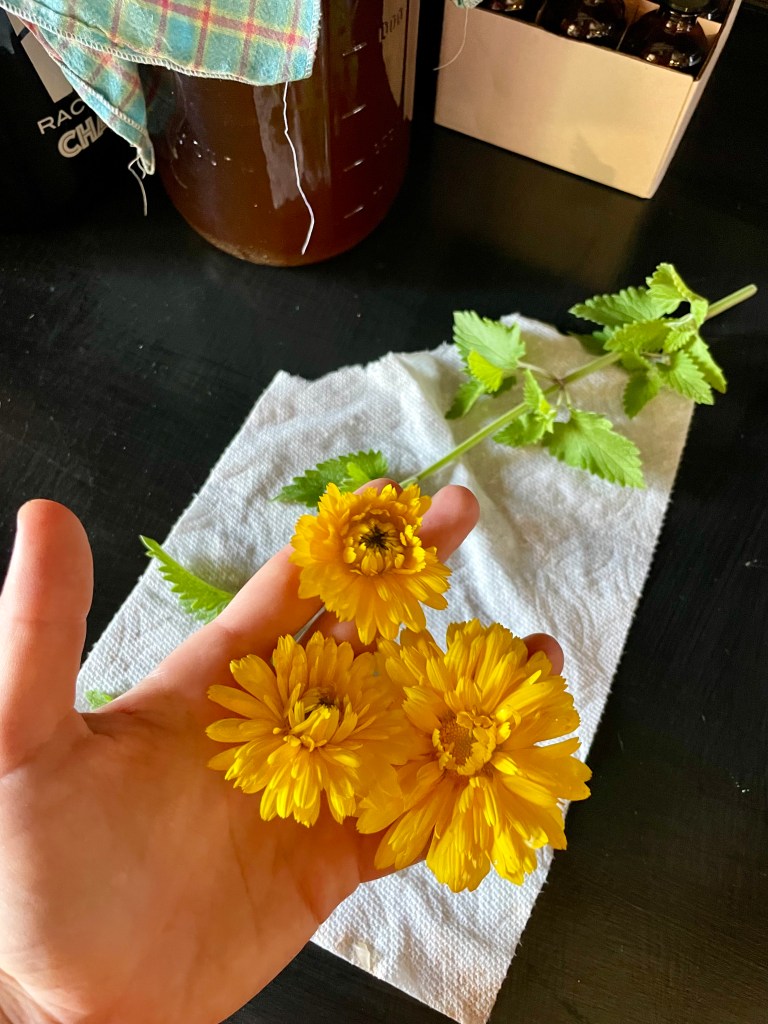
Calendula: Used traditionally as a healing sitz bath or salve postpartum and for its healing properties. As an, immune-supportive herb and lymphogogue, it is safe for healing internal consumption postpartum, less so during pregnancy.
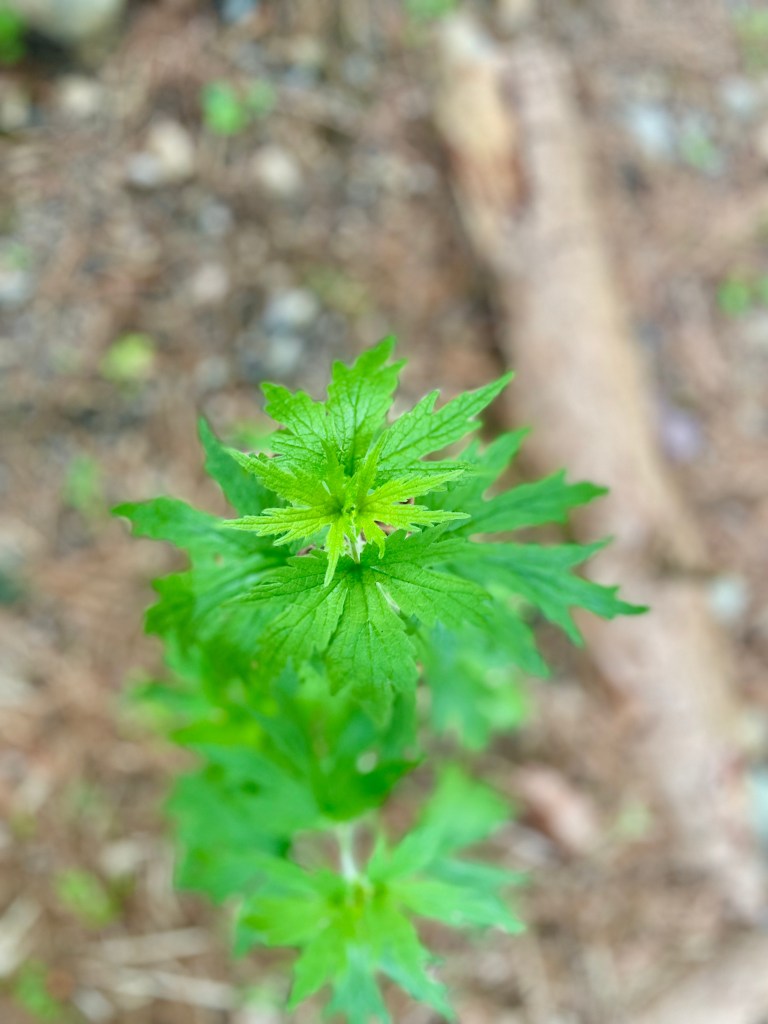
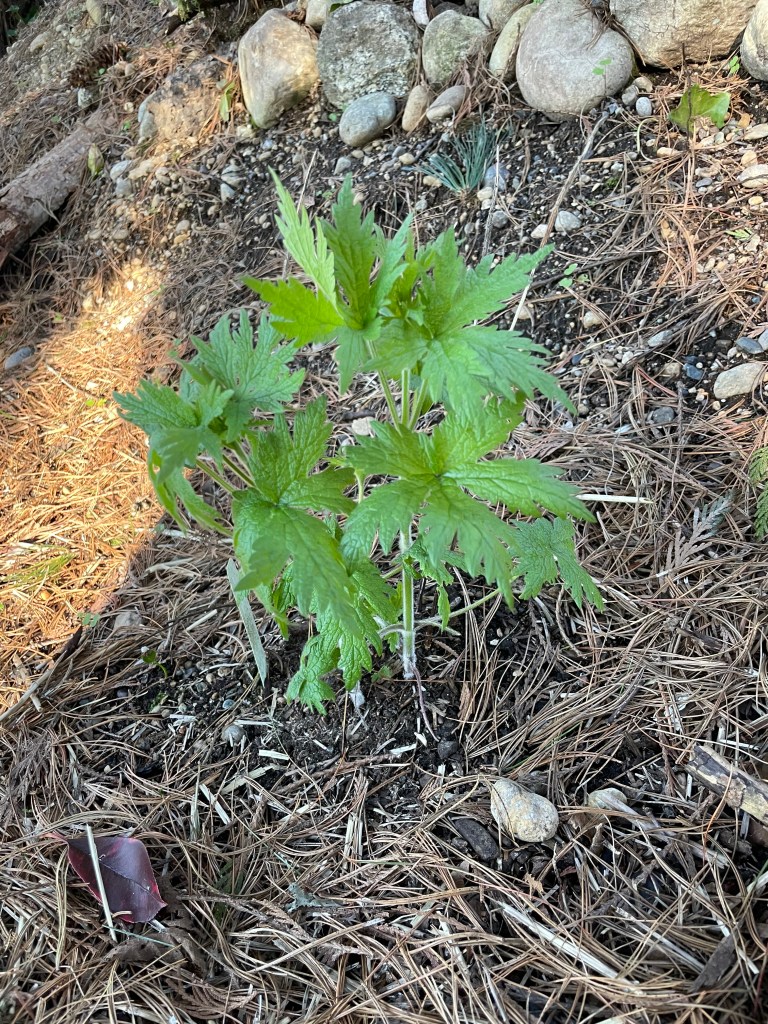
Motherwort: While this herb should be avoided during pregnancy, no herblist can overlook the power of motherwort. Postpartum, this powerful nervine relaxant has a strong affinty for the heart, supporting emotional balance and calm.
Per Juliet Blankespoor, motherwort has been used as a birth aid by experienced herbalists to “strengthen and regulate contractions” in addition to helping expel the placenta and ease post partum pain. [1]
Traditionally, both of these herbs are used as galactagogues to support milk production.
I’ve only worked with fennel a little (I love the taste). It was traditionally employed to support digestion and sooth colic.
Both are safe in low-to-moderate postpartum doses, but (as always) dosage and preparation should be individualized.
I haven’t yet worked directly with fenugreek, but this North African native carries a rich tradition of use for women’s reproductive + gynecological health spanning millennia. Dioscorides encouraged its use for a variety of female ailments, and research indicates its useful in combating insulin resistance and late-onset diabetes. [4]
Ginger is often used to quell morning sickness, but is quite warming! Large doses are not recommended during pregnancy. Andrew Chevallier notes 2 grams dried (4 grams fresh) per day while pregnant, and only if not taking anticoagulents. [4]
Marshmallow root is very nutritive and emollient/moistening. Andrew Chevallier notes teething babies were given the peeled root as a teether. [4]
Lovely Lemon Balm: photographed with her growing companion: CatnipFierce MotherwortLeonurus cardiace (Motherwort)
Birth-Specific Herbs
Outside of briefly touching on motherwort, I am not covering herbs intended to actively support or influence the childbirth process as that is a specialized area best left to highly experienced midwife herbal practitioners and doulas who have the training, clinical experience, and safety protocols to guide such practices.
“In the churchyards and cathedrals of Europe we still find the foliate face of the Green Man peering at us with eyes as wild as the very first forest, Sheela Na Gig as the Green Woman with her smiling face and spread legs. She is eternally giving birth to the plant word, disgorging dark foliage from her fertile womb. These are the timeless faces of Gaia, the plants twining together to form a mirror and a teacher for each still-wild woman.” – Kive Rose Hardin, from The Generosity of Plants
Closing: Nourishment for New Mom & Baby
Herbal support in pregnancy and postpartum is about more than physical health – it’s about honoring the mother: her body, her nervous system, her emotions, her spirit and the new life she’s carrying. Gentle herbs, thoughtfully prepared, offer nourishment while instilling calm: a quiet moment; a simple healing ritual.
Every mother’s journey is unique and so, too, should be their herbal allies.
Citations & Recommended Reading:
The Healing Garden, Juliet Blankespoor. 2022.
Body Into Balance, Maria Noel Groves. 2016.
The Generosity of Plants gathered by Rosemary Gladstar. 2025.
The Encylopedia of Herbal Medicine, Andrew Chevallier. 2023.
 Kawaoka Coaching
Leave a comment