Juniperus communis, Cupressacea family
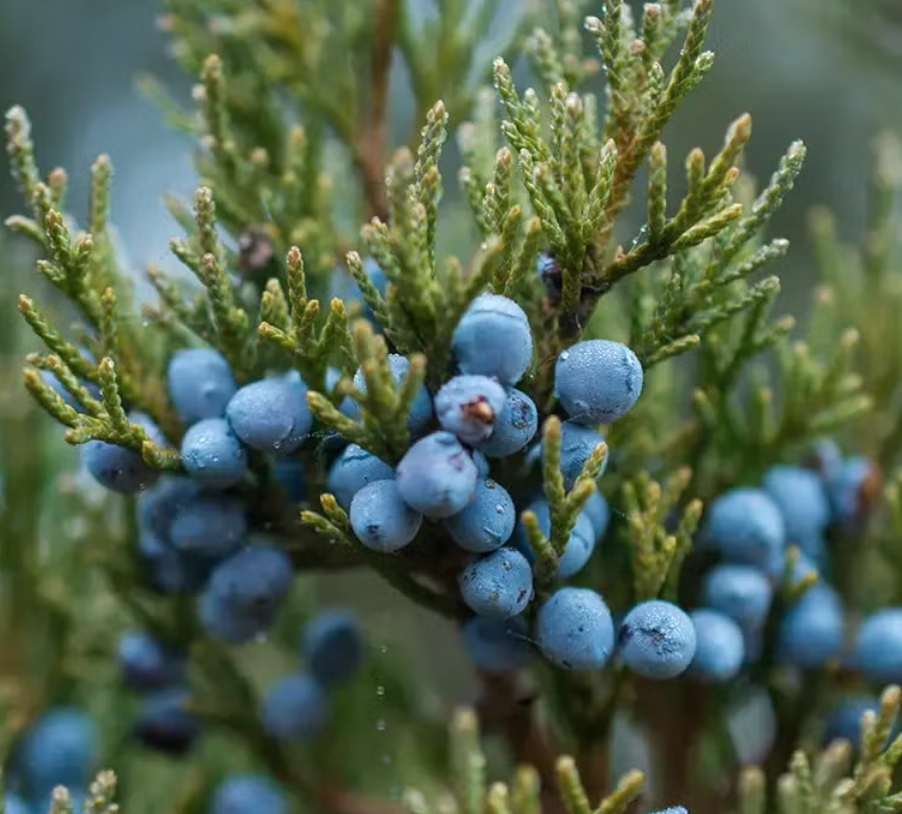
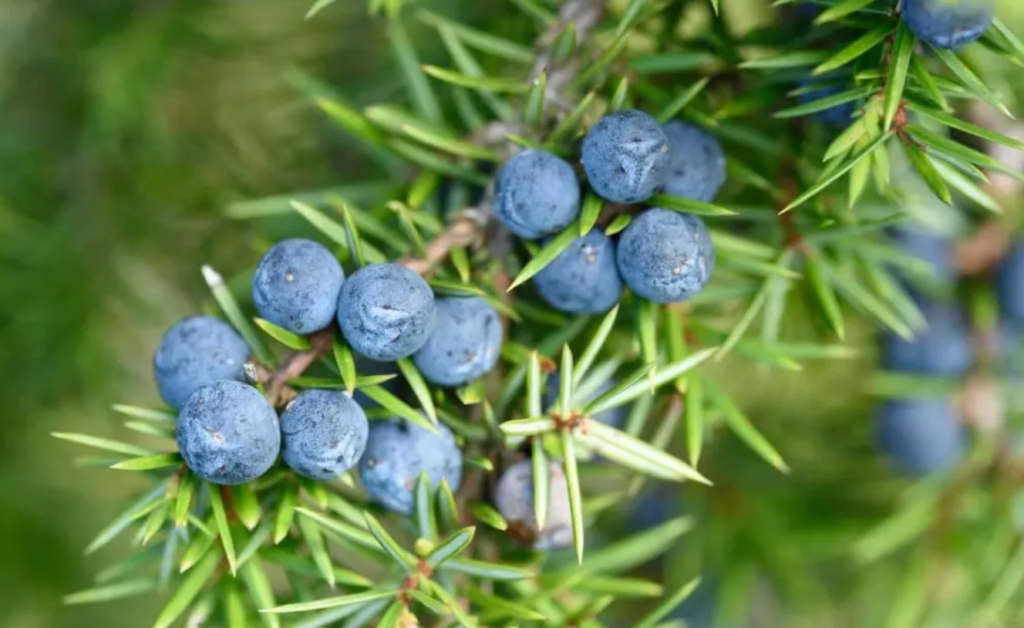
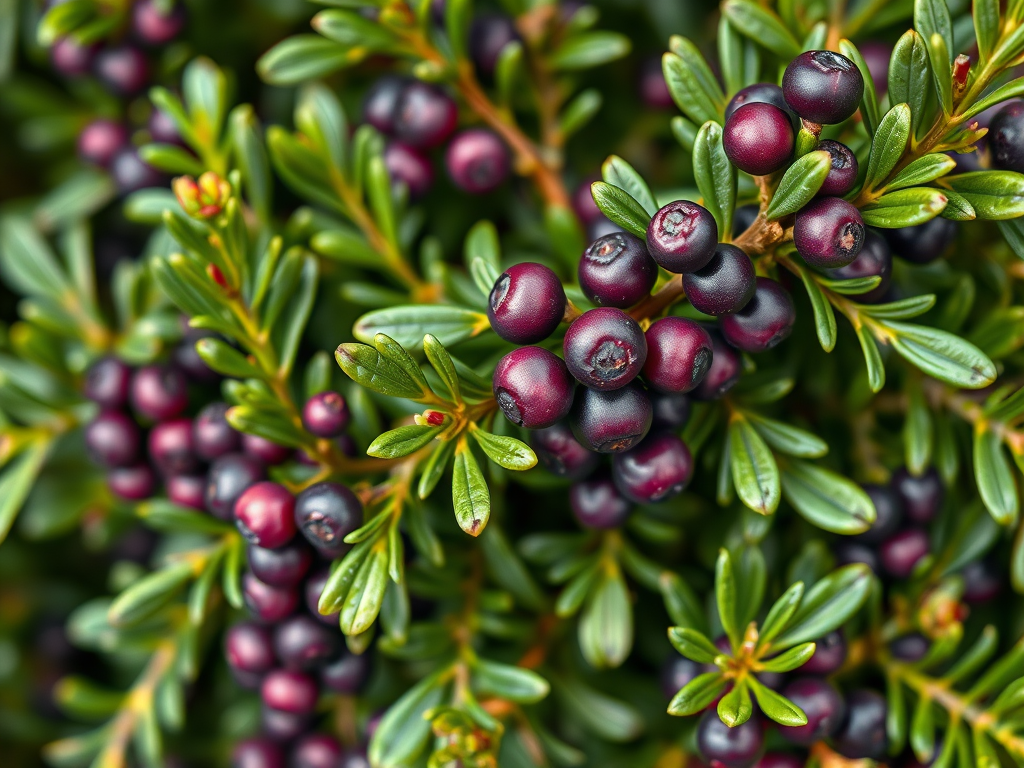
History & Growing: Juniperus communis grows as a hardy shrub or small tree across much of the Northern Hemisphere, often in rocky, well‑drained soils or exposed hillsides, and its berry‑like cones can take several years to mature before harvest. It can be grown from seed or cutting, though germination is said to be slow and requires cold stratification preceeded by a warm period [1, 2]
Across Europe and the Americas, juniper’s berries and smoke have been used for medicinal and ceremonial purposes. In European folk traditions, juniper was used for cleansing spaces and protecting homes from misfortune, while Indigenous herbal traditions in North America included juniper in supportive teas and smoke purification rites. [3]
Parts used: Berry is the most common medicinal, leaves, bark, and roots may also be used [1]
Plant Preparations: Tea, tincture, honey, essential oil/inhalation, liniment/topical
Taste: Aromatic, astringent, bitter
Actions:
- Alterative
- Antimicrobial
- Antiseptic
- Bitter tonic
- Circulatory stimulant
- Diuretic
- Emmanagogue
- Stomachic
Energetics: Warming & Drying, Stimulating
Organs & Body Systems Juniper Acts Upon:
- Primarily used for the musculoskeletal & urinary systems
- Juniper also has action on the respiratory, digestive & reproductive systems
- The nervous system could also be included here, as juniper is consistently described as an uplifting, stimulating herb (namely the inhalation of juniper essential oil)
- Key Constituents: bitter glycoside (juniperin), flavonoids, tannins, resins, volatile oils
Traditional Uses:
- Tonic for musculoskeletal & urinary system (arthritis, gout, cystisis)
- Uplifting cognitive (motivating!) & respiratory support (inhalation)
- Menstrual support
- Digestive support (upset stomach, stimulates appetite)
- Some fun facts about some of juniper’s traditional uses:
- Juniper is used to flavor gin!
- Sprigs of juniper were tossed into the fire to protect against evil spirits.
- In the Bible, there is mention of the prophet Elijah seeking protection under a juniper tree.
Current Uses & Research:
- Diuretic & Urinary Support: Juniper berries are widely used in teas, tinctures, and capsules to support healthy urinary function, kidney health, and fluid balance.
- Animal studies support the traditional use of juniper as a mild diuretic and metabolic stimulant, though human clinical trials are limited. [3]
- Digestive Aid: Juniper is carminative and mildly stimulating to digestion, helping alleviate bloating, gas, and indigestion.
- Antimicrobial & Antiseptic: Both the berries and essential oil have demonstrated antimicrobial activity in laboratory studies, supporting traditional uses for urinary tract health and food preservation.
- Antimicrobial Activity: Essential oil and berry extracts inhibit certain bacterial and fungal growth in lab studies, aligning with historical antiseptic uses. [3]
- Juniper berries contain flavonoids, phenolic acids, and essential oils that have shown antioxidant and anti-inflammatory activity in vitro. [3]
- Respiratory Support: Juniper’s aromatic compounds can be inhaled or used in steam to help clear congestion and support respiratory function.
- Nervous System & Aromatherapy: The resinous, piney aroma of juniper is used in aromatherapy for its grounding, clarifying, and stress-relieving effects. Its aroma is said to be uplifting for the mood and mind.
- Menstrual Support: Juniper has been traditionally used as a warming, stimulating herb for menstrual stagnation and cramping; some considering juniper a circulatory stimulant to the pelvic region. Modern clinical research suggests juniper berry extract may help reduce menstrual pain and improve quality of life in cases of primary dysmenorrhea, with possible effects on uterine blood flow. [4]
Dosage & Preparation: Juniper can be applied topically to joints, enjoyed as an essential oil, or consumed in a tea or extract. I like a small amount in elderberry syrup, or in a festive infusion.
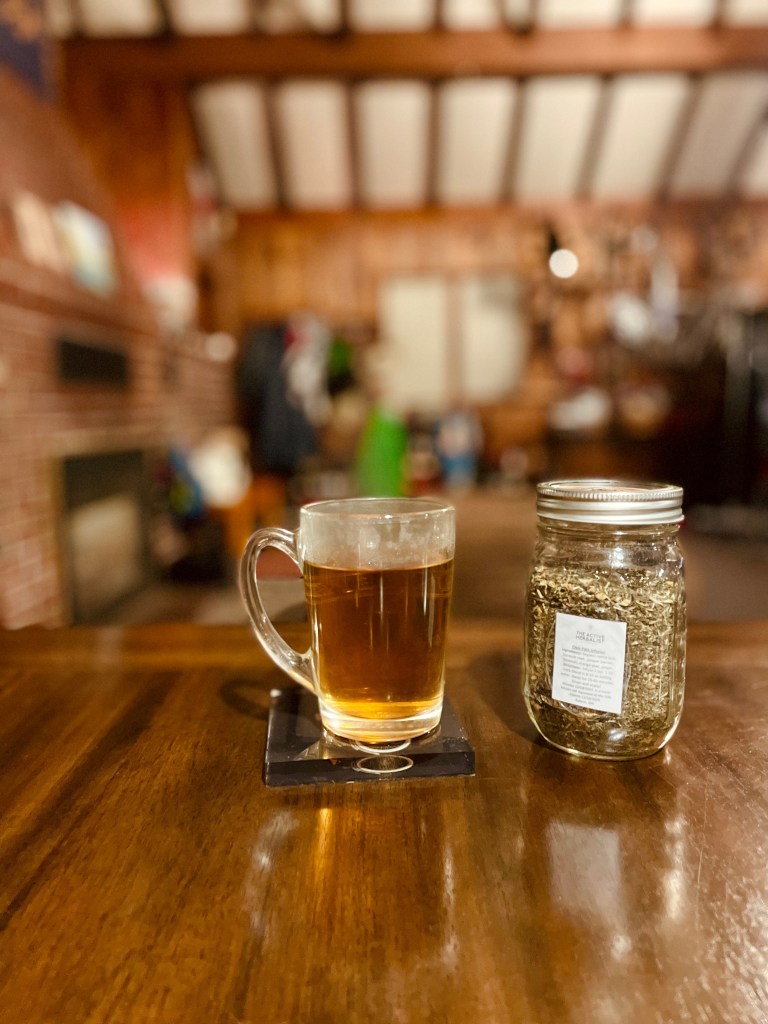
- Tea: 1 tsp crushed berry infused in 8 oz hot water infused for 30 minutes 1-3 times/day
- Tincture: Varies based on potency. I did mine as 1:3 dried berry @ 40%. Consider a small dose, such as 5-10 drops daily, to begin or use it in a formula with other herbs where juniper makes up 5-15% of the overall structure.
- Syrup: more liberally, as other herbs will likely be included and syrups/glycerites are less potent (1 tsp -1 TB)
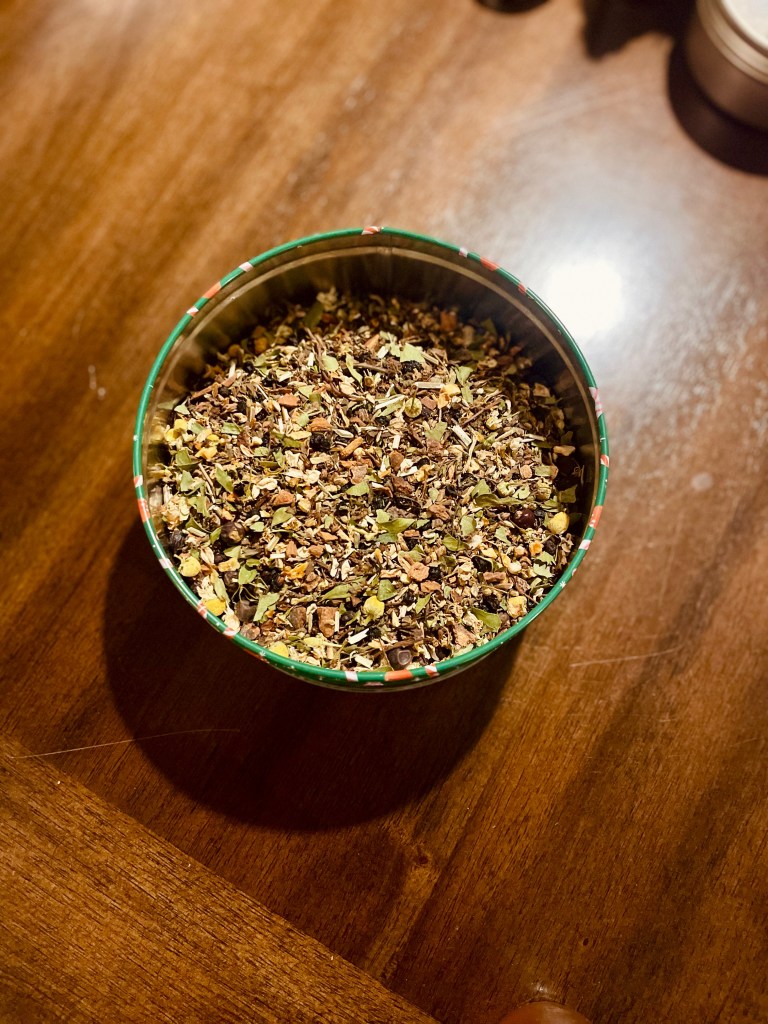
with juniper berry
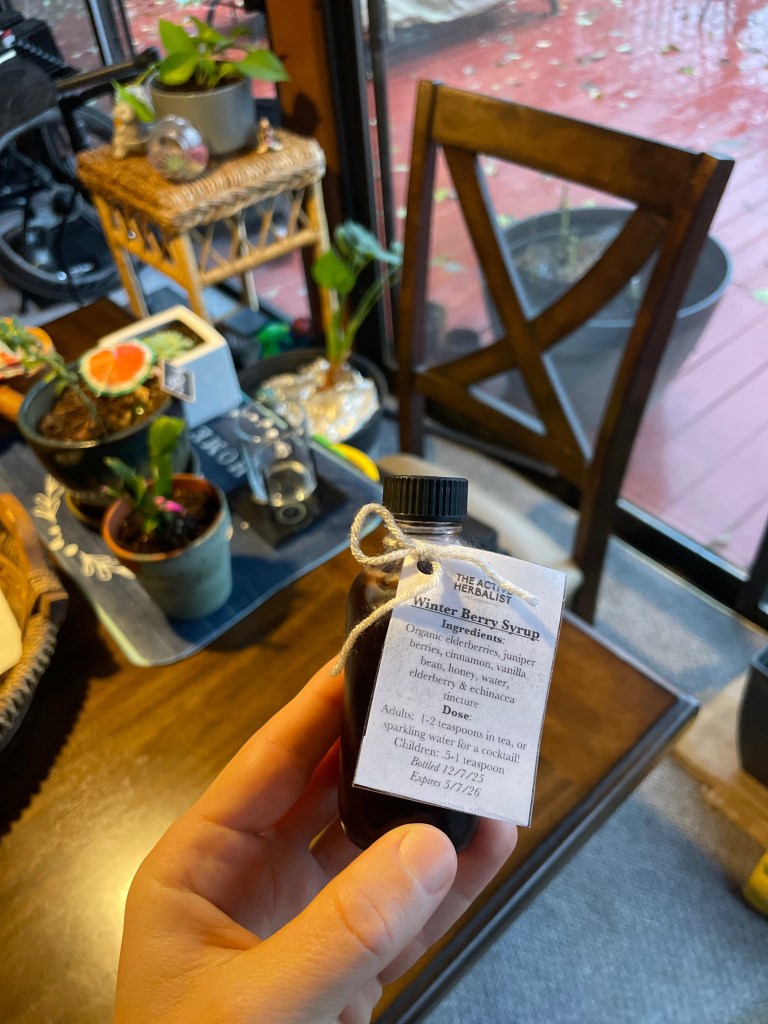
Special considerations: Not to be used in pregnancy or for those with heavy menstruation. Do not use internally if you have kidney disease or kidney infection.
Elemental, Planetary & Dosha Discussion:
- Element: Fire (warming, stimulating)
- Planet: Mars – Traditionally associated with purification, protection, and energy, Mars mirrors juniper’s bold, cleansing, and warming / stimulating qualities.
- Dosha: Juniper’s warming, drying, and stimulating energetics help calm Vata imbalances, such as nervous tension or coldness, while its stimulating action can lightly invigorate Kapha. It is generally used in short-term applications for support rather than continuous daily dosing, so it’s unlikely to aggrave the hot/dry/stimulated pitta dosha unless taken long term without formulation.
Recipe of the Week:
Elder & Juniper Berry Honey
- 2 oz dried organic juniper berry
- 2 oz dried organic elder berry
- 1 oz dried organic cinnamon and/or ginger
- 8 oz honey
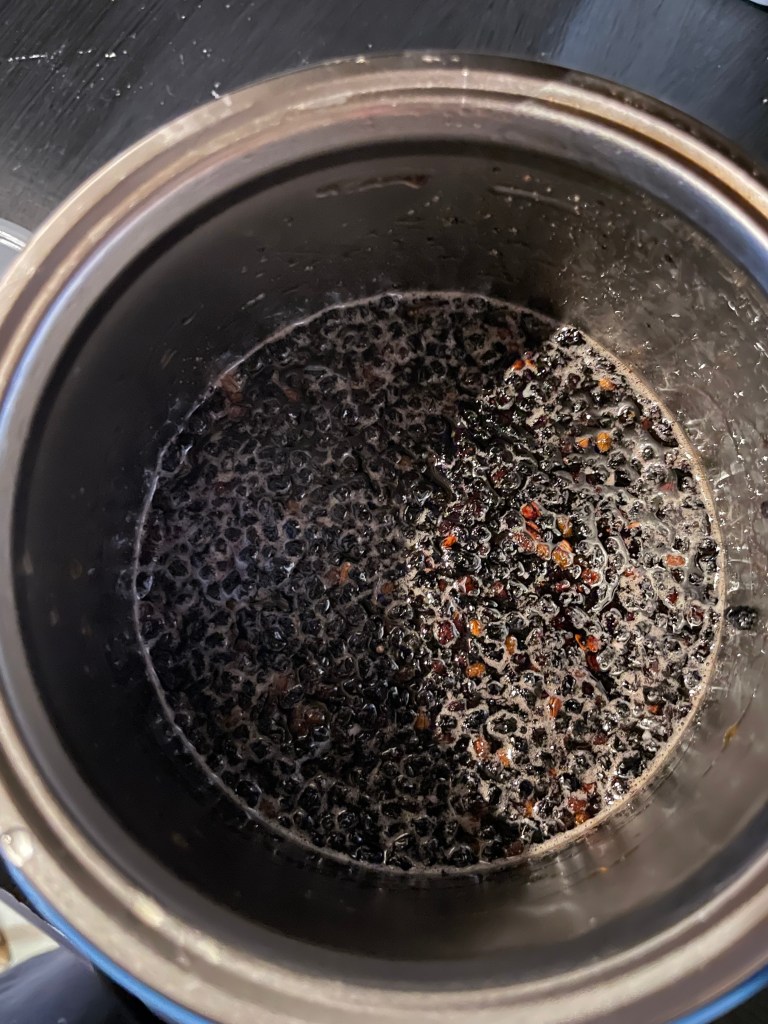
Combine ingredients in a double boiler or mini crockpot. Heat on low (do not let it come to a full boil) for 2-6 hours. Strain, label, and store in a sterile glass jar at room temperature for 6 months or a year in the fridge. Use 1-2 tsp, plain or in tea, as a tonic/preventative or larger spoonfuls when ill up to 6 times per day instead of a traditional cough syrup.
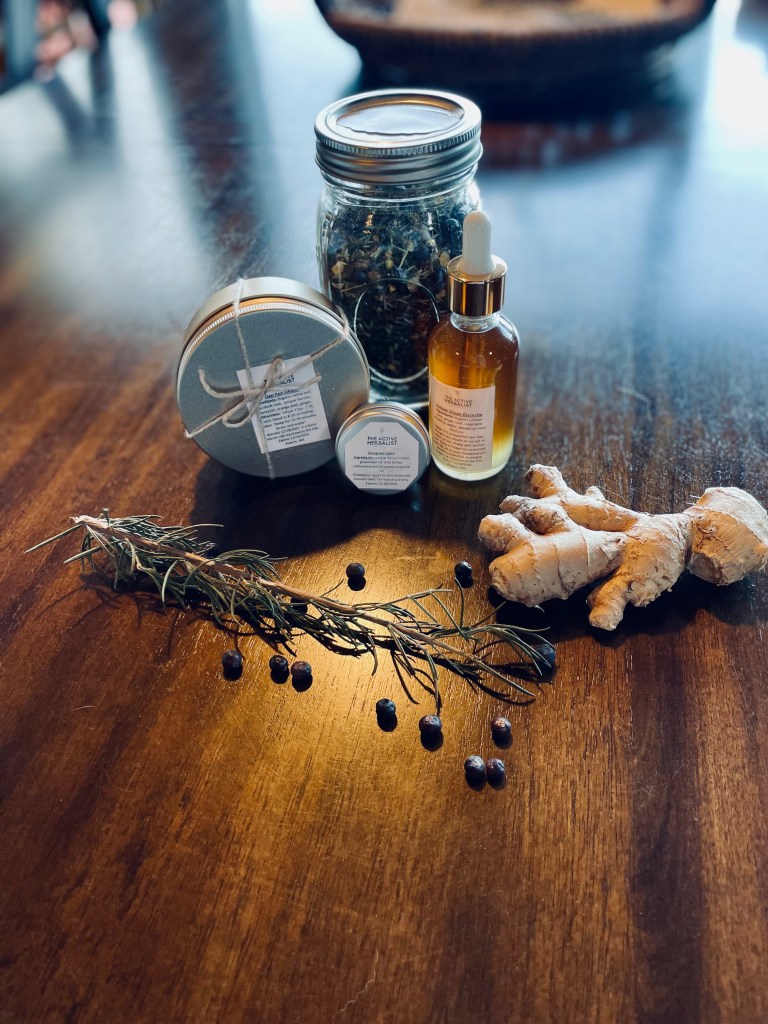
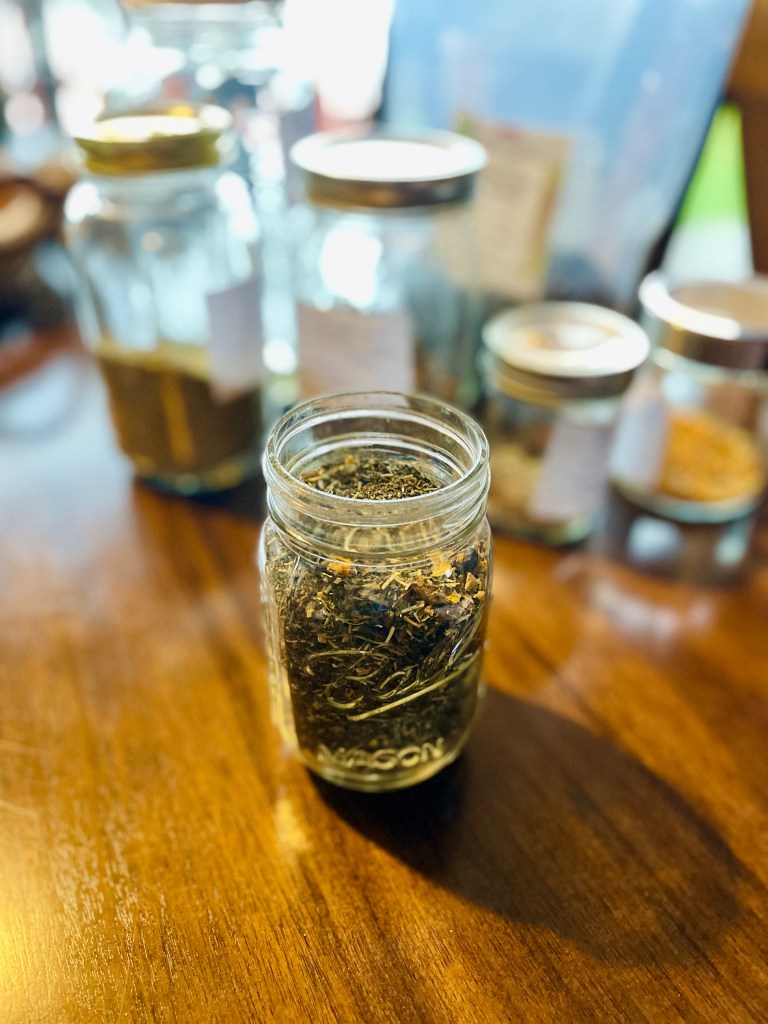
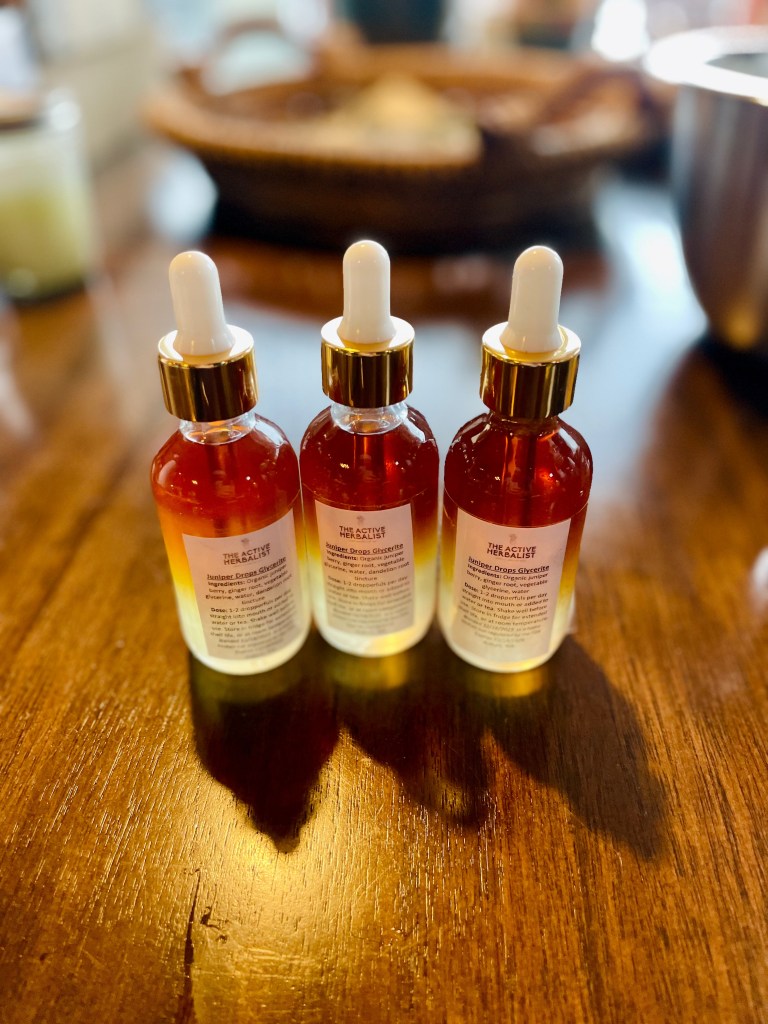
If you want an easy way to bring juniper into your week, I’ve put together a small-batch New Years bundle with tea, glycerite, and salve – perfect for those in-between days. I only make a few of these each season, and they’re designed for anyone feeling that post-holiday funk or post-season lull. The In-Between Bundle has juniper infused in all products, so you can drink it, drop it, and apply it!
Email me at becca@kawaoka-coaching.com for details on pricing and shipping.
Citations & Recommended Reading:
- Juniper, Herbal Reality
- “Juniperus communis.” Tree Explorers, University College Cork, https://www.ucc.ie/en/tree-explorers/trees/a-z/juniperuscommunis/?utm_
- Raina R, Verma PK, Peshin R, Kour H. Potential of Juniperus communis L as a nutraceutical in human and veterinary medicine. Heliyon. 2019 Aug 31;5(8):e02376. doi: 10.1016/j.heliyon.2019.e02376. PMID: 31508527; PMCID: PMC6726717.
- Banu T, Sultana A, Begum A, Sidra, Rahman K. Efficacy and safety of abhal (Juniperus communis L). on pain intensity, uterine artery doppler flow, and quality of life in primary dysmenorrhea: A double-blind, randomized controlled trial. J Ethnopharmacol. 2025 Feb 27;342:119388. doi: 10.1016/j.jep.2025.119388. Epub 2025 Jan 20. PMID: 39842749.
 Kawaoka Coaching
Leave a comment