As winter settles in with its long shadows and cold afternoons, I have begun to reach for the comforting herbs that have warmed hands and hearts for generations.
At the mention of Christmas, I feel a wash of warmth and the familiar, child-like excitement that many associate with this festive time. A smile instinctively plays at the corners of my mouth as family traditions and fond memories come to mind. As the holiday approaches and days growing shorter, darker and colder, I find myself turning to comforting, traditional seasonal herbs. Not only to bolster my immune system against the elements but also to bring a bit of light to the darker days.
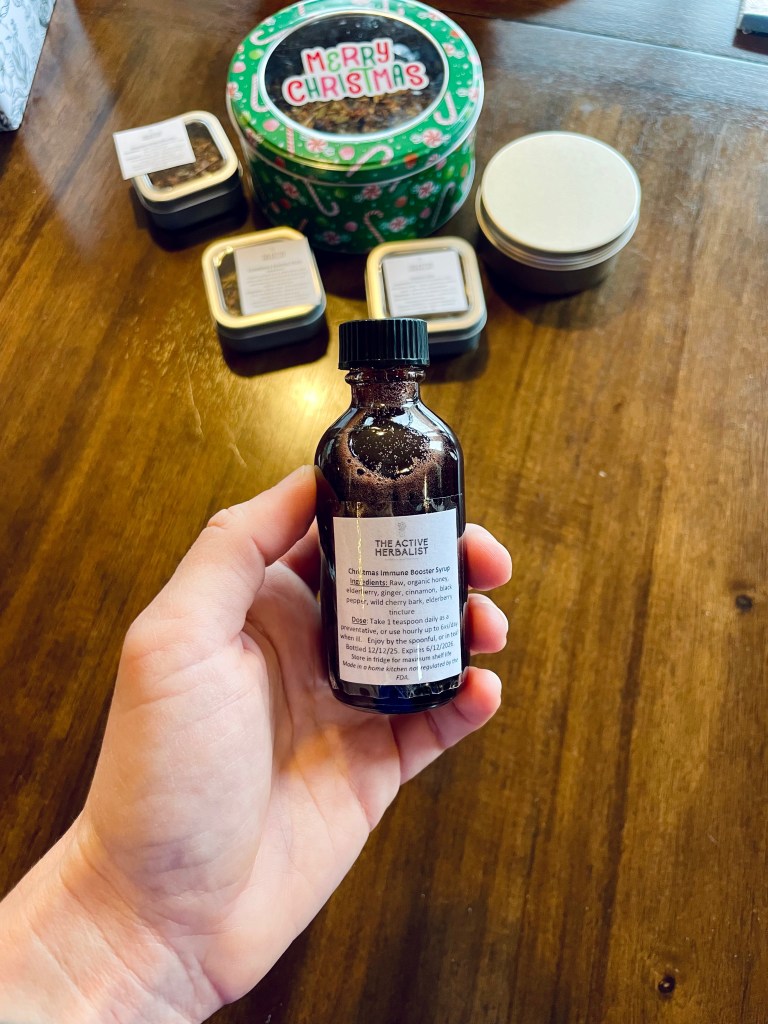
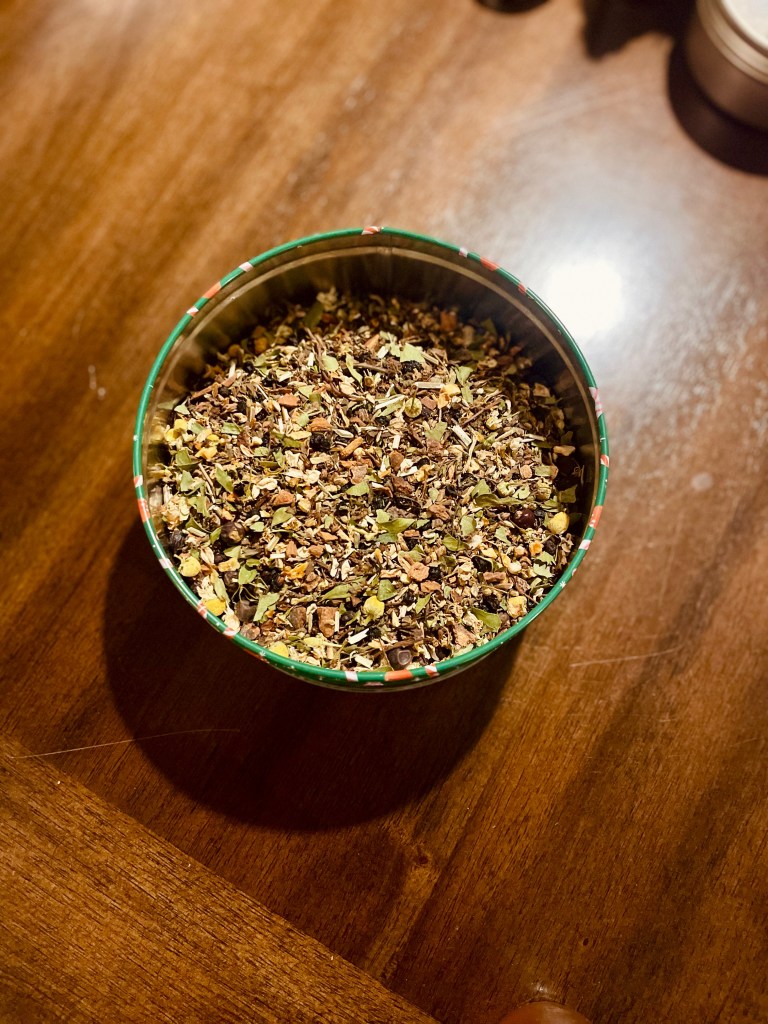
Lately, I’ve enjoyed learning about the old, often surprising, ways these botanicals were used during the season, along with the folklore woven through their histories.
Today, we’ll explore six of my favorite classic winter herbs and spices: juniper berry (Juniperus communis), clove (Syzygium aromaticum), cinnamon (Cinnamomum spp.), orange peel (Citrus sinensis), pine (Pinus spp.), and elderberry (Sambucus nigra). I’ll briefly touch on what part of each herb we use medicinally, it’s actions, energetics, and traditional uses, along with a recommended preparation.
At the end, enjoy a cozy winter simmer pot recipe that brings these botanicals together into one comforting seasonal blend.
Juniper (Juniperus communis)
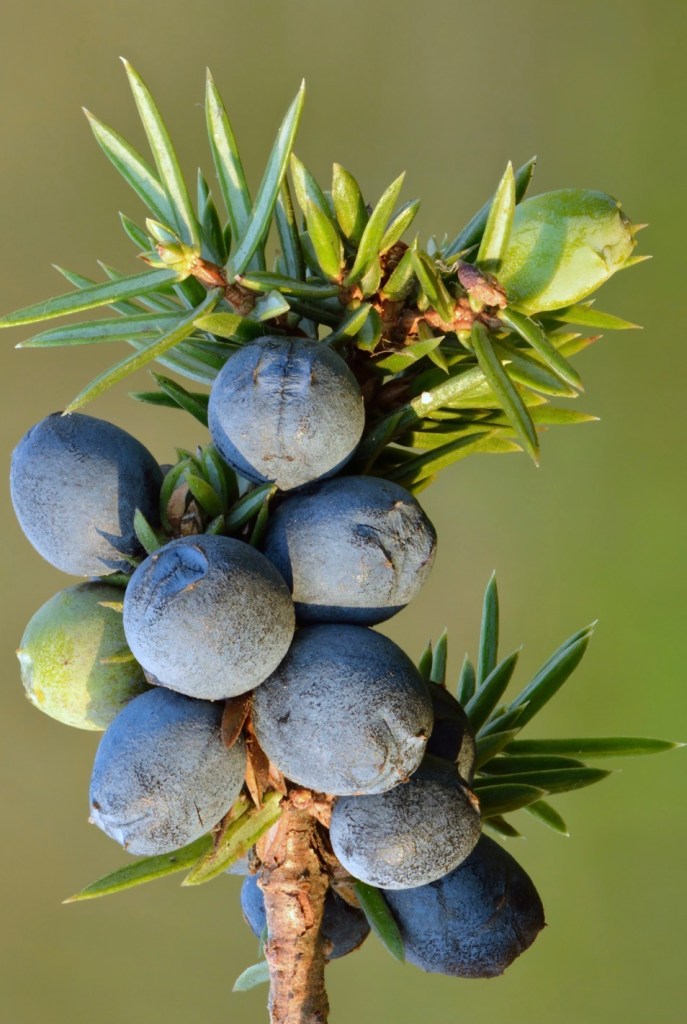
- Parts used: Berry is the most common medicinal, leaves, bark, and roots may also be used [4]
- Actions: Alterative, antimicrobial, antiseptic, circulatory stimulant, diuratic, emmanagogue, stomachic, tonic, vasodilator
- Energetics: Warming & Drying, Stimulating
- Traditional Uses: Tonic for musculoskeletal & urinary system (arthritis, gout, cystisis), uplifting cognitive & respiratory support (inhalation), menstrual support
- Folklore & Fun facts: Juniper is used to flavor gin! Sprigs of juniper were tossed into the fire to protect against evil spirits. In the Bible, there is mention of prophets seeking protection under a juniper tree. *EDIT: It was Elijah!!!
- Recommended Preparation: Juniper can be applied topically to joints, enjoyed as an essential oil, or consumed in a tea or extract. I like a small amount in elderberry syrup, or in a festive infusion.
- Special considerations: Not to be used in pregnancy or for those with heavy menstruation. Do not use internally if you have kidney disease or kidney infection.
Clove(Syzguim aromaticum)
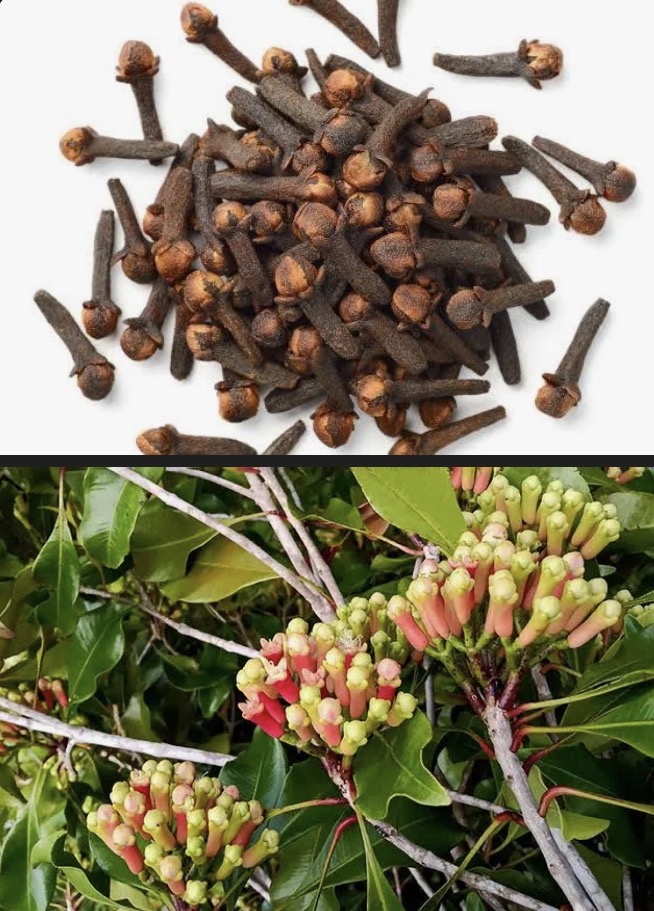
- Parts Used: Buds
- Actions: Antispetic, carminative, stimulating, analgesic, antibacterial, anti-emetic, antispasmodic, anthelmintic (expels parasites)
- Energetics: Warming & Stimulating
- Traditional Uses: Beloved as a “cure-all” for several ills; indicated for cold/stagnant conditions; culinary spice; popular tooth ache/mouth wash remedy; support digestion by relieving gas, bloating and IBS; used to combat variuous viral conditions; treat parasites like scabies; stimulant for the mind (support memory, aphrodisiac)
- Folklore & Fun Facts: Cloves are actually flower buds that are harvested before they open, then dried. One of the earliest spices of the spice trade, clove was considered a luxury. To read more about clove, enjoy this interesting article
- Recommended Preparation: My favorite use of clove is in chai tea. I often simmer a small amount of clove with dried ginger, cinnamon, cardamom, black pepper, and tulsi (or black tea) in water or milk to make classic chai.
- Special Considerations: Dilate essential oil in carrier oil before appling, it can cause contact dermitatis. Do not take the essential oil internally unless under qualified supervision.
Cinnamon (Cinnamomum spp)
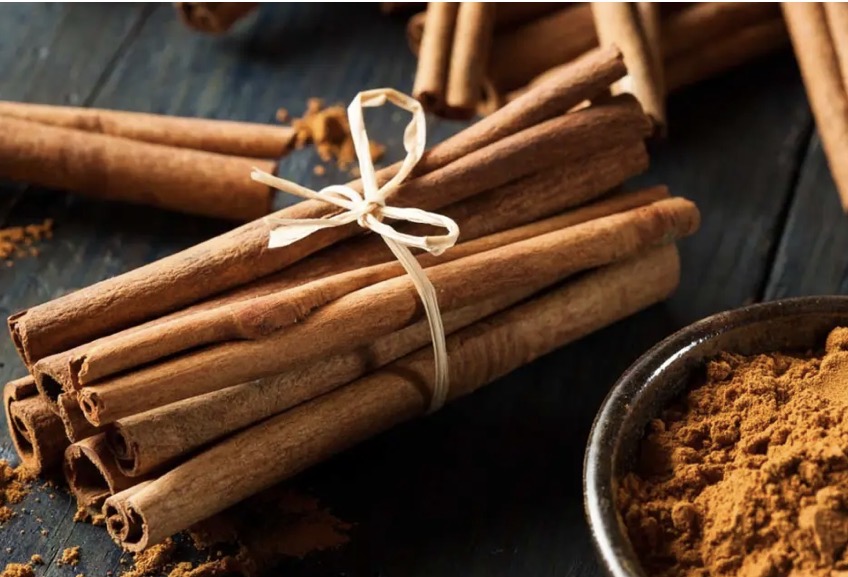
- Parts Used: Bark
- Actions: Carminative, astringent, hypoglycemic, antimicrobial, antifungal, antioxidant, aromatic, circulatory stimulant
- Energetics: Warming & Drying
- Traditional Uses: Used to treat cold and/or sluggish conditions; to support the heart and healthy blood sugar; digestive support; toothache remedy; to relieve menstrual cramps and/ or support an irregular cycle
- Folklore: Cinnamon has a storied past in religious and spiritual traditions. It is mentioned in the Bible as an ingredient in the holy anointing oil used to consecrate priests and sacred objects (Exodus 30:23–24). In Ancient Egypt, cinnamon was used in temple rituals and embalming, most likely for its aroma and preservative qualities. Cinnamon is also commonly used as incense in temples and during meditation practices, where it symbolizes purification, sanctity, and protection.
- Recommended Preparation: I can’t overlook Cinnamon Rolls as a classic Christmas recipe using cinnamon! Here is a link to my favorite recipe; I often prepare them Christmas Eve as a Christmas morning treat. Outside of baking, cinnamon really shines in tea and decoctions, or in honeys and syrups. It doesn’t tincture very well!
- Special considerations: Use caution if diabetic: excessive doses can impact blood sugar. Do not take essentail oil internally. Topical applications can result in an allergic reaction.
Orange (Citrus sinensis)
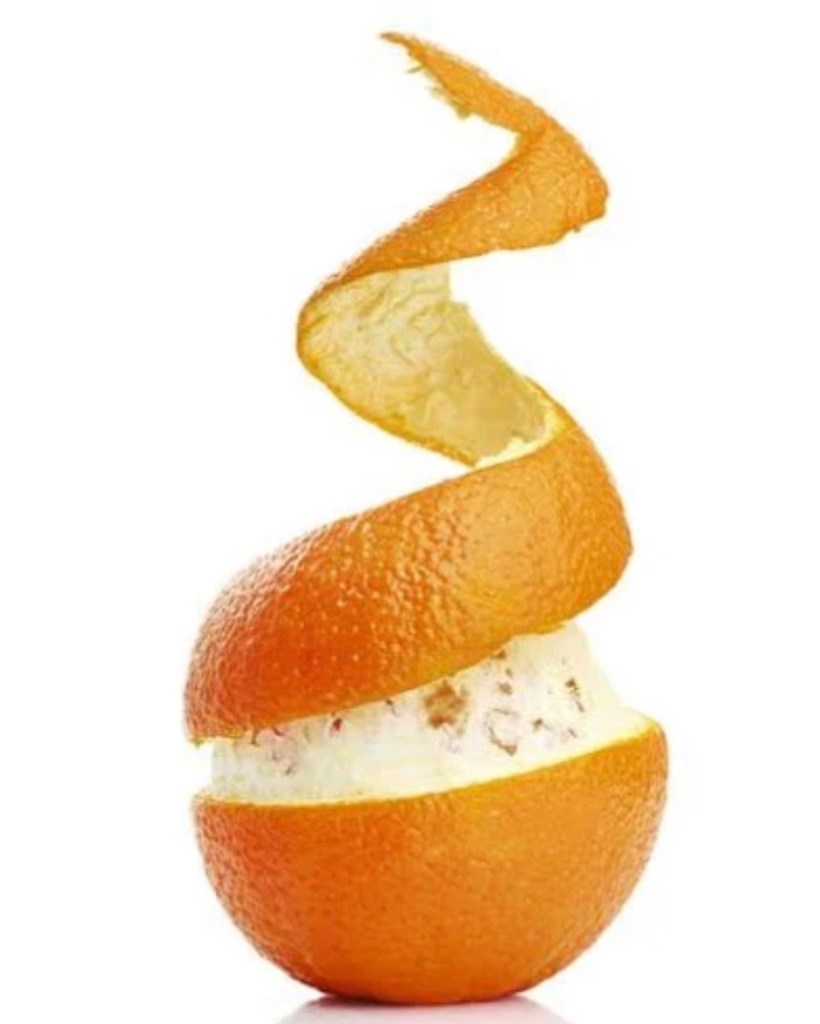
- Parts Used: Peel, fruit
- Actions: Antioxidant, anti-inflammatory, antimicrobial, demulcent, digestive, diuretic
- Energetics: Cooling & Moistening
- Traditional Uses: High in Vitamin C, so obviously used for immune support! Also used for digestive support (gas/bloating/constipation), to support a healthy heart/cardiovascular system, uplifting/mood support, and in skin care products.
- Folklore & Fun Facts: Pomanders (oranges stuffed with spices like clove) are a prized Christmas gift that originated in Europe. In Chinese culture, oranges are associated with prosperity and good fortune. Pairs of oranges are often given as a gifts during Chinese New Year celebrations.
- Recommended Preparations: Orange peel makes a great addition to tea blends for color, flavor and as a carminitive agent. I have found a small amount goes a long way. The essential oil is very uplifting for soap and cosmetic products as well!
- Special considerations: Diluate essential oil in a carrier oil before applying topically.
Pine (Pinus spp.)
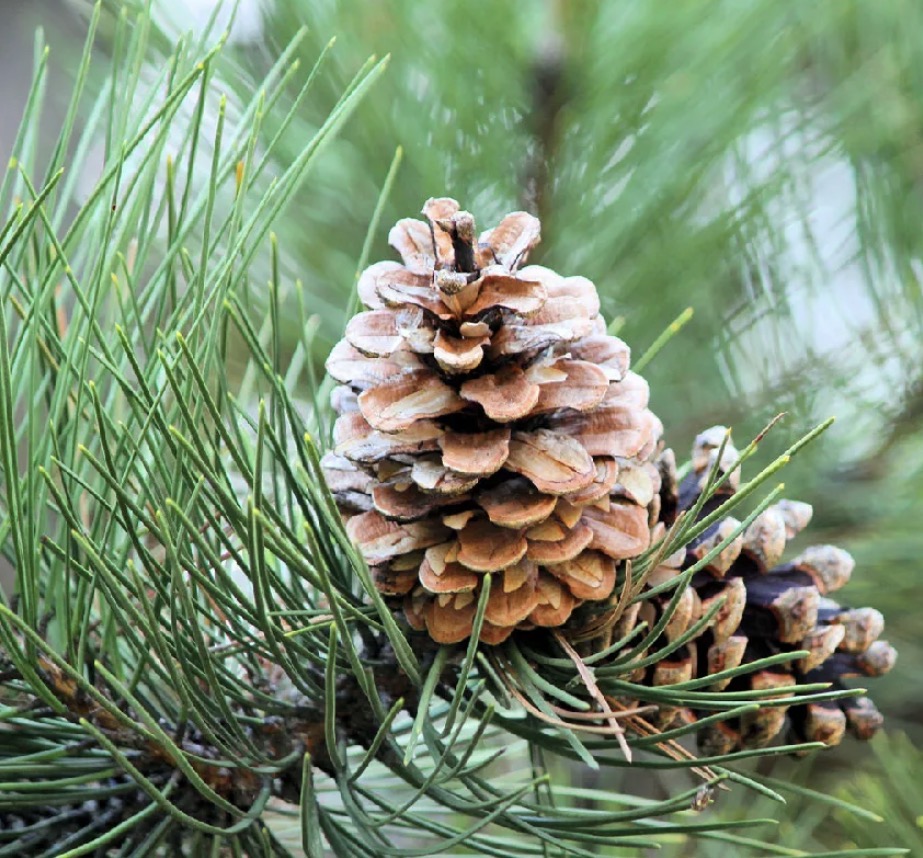
- Parts Used: Needles, bark, resin, pollen
- Actions: antimicrobial, stimulant expectorant, stimulant diaphoretic, diuretic, inflammation-modulating, nutritive, vulnerary
- Energetics: Warming & Drying
- Traditional Uses: Food & housing, splints, colds & flus, wound treatment
- Folklore & Fun Facts: Evergreens like pine symbolize endurance, or in some cases eternity, and are used to uplift, scent and decorate indoor spaces during winter months.
- Recommended Preparation: Decocting pine needles is an effective way to pull out the potent resins to help clear congestion, stuck mucus and relieve a sore throat. Infusing it into tea or honey are tasty ways to enjoy pine. Pine resin can be used to heal wounds and relieve pain. High alcohol content is need to extract pine resin and bark medicine for extracts.
- Special considerations: Pine, namely Pinus strobus or Eastern White Pine, is generally considered safe, just be sure your plant identification is strong! [2]
- Once my mother in law thought she had given me a pine branch but it turned out to be a toxic hemlock bough! I still love her lots! 😉
Elder (Sambucus nigra)
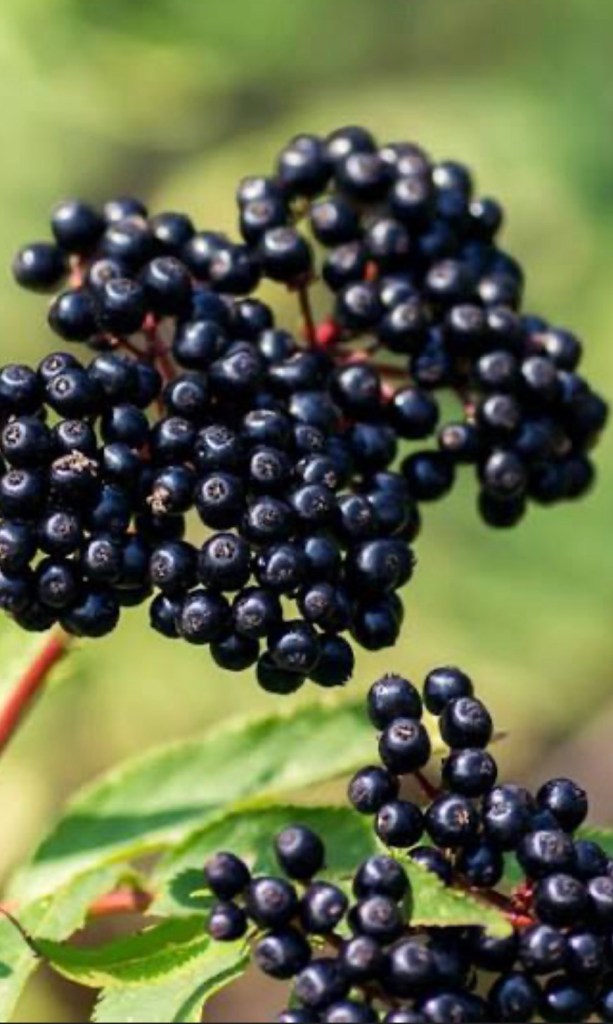
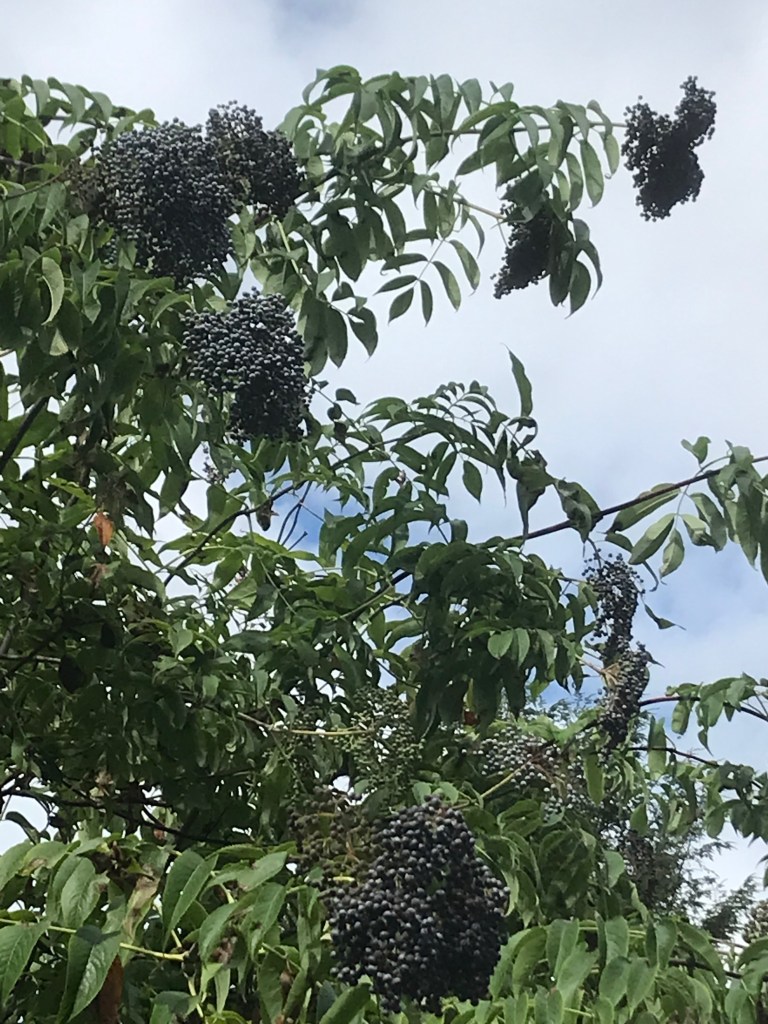
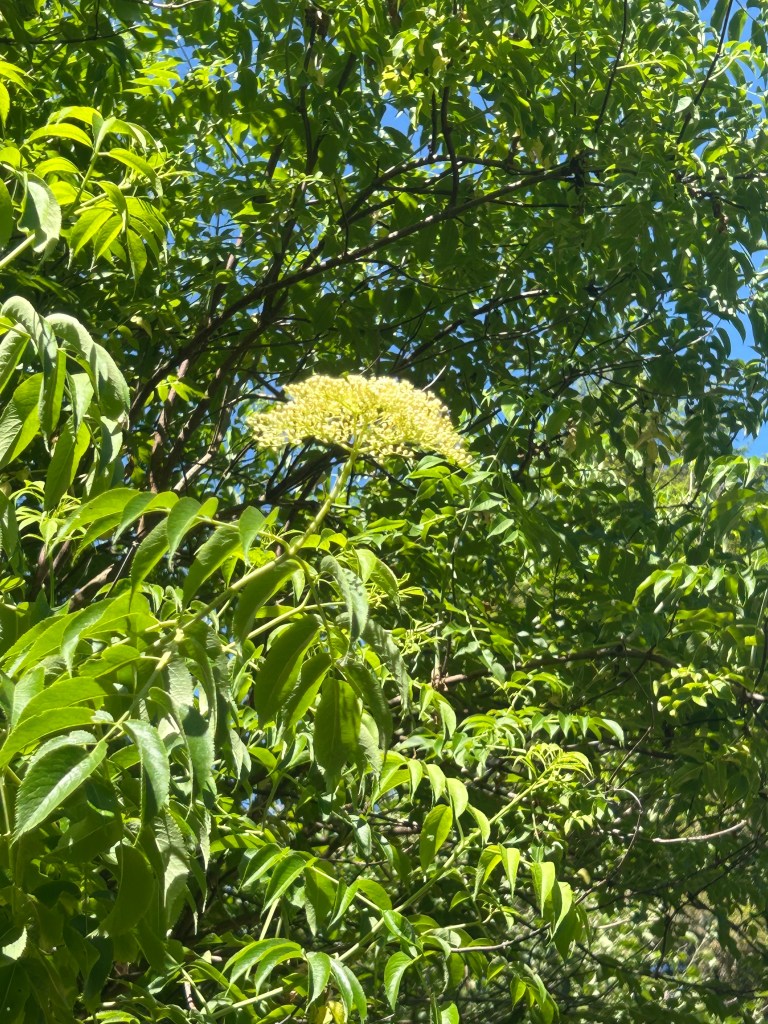
- Parts used: Berries & flowers
- Actions: Cardiovascular tonic, anti-viral, anti-bacterial, antioxidant, anticatarrhal, inflammation-modulating (flavanoids), antirheumatic, diuretic, diaphoretic, mild laxative
- Energetics: Cooling
- Traditional Uses: Immune support/treating seasonal cold & flu, arthritic conditions/musculoskeletal support, culinary flavoring for jams, jellies, meads, etc.
- Folklore: Long a symbol of protection and magic, the elder tree is said to be inhabited by the Elder Mother. Always ask permission before harvesting from an elder tree, and be sure to say thank you!!! It is also said if you fall asleep under an elder tree you may dream of, be visited by or abducted by fairies!
- Recommended Preparation: Elder Honey!!! (Recipe in last week’s blog, basically 1:2 ratio dried berry to honey infused on low heat for 2-6 hours) Also: tea, tincture, decoction, syrup
- Special considerations: the raw berries contain a compound (cyanogenic glycosides) that can cause nausea, vomiting, and stomach pain. Do not consume the leaves, stems, or roots. Consume only the cooked or dried berries and flowers!
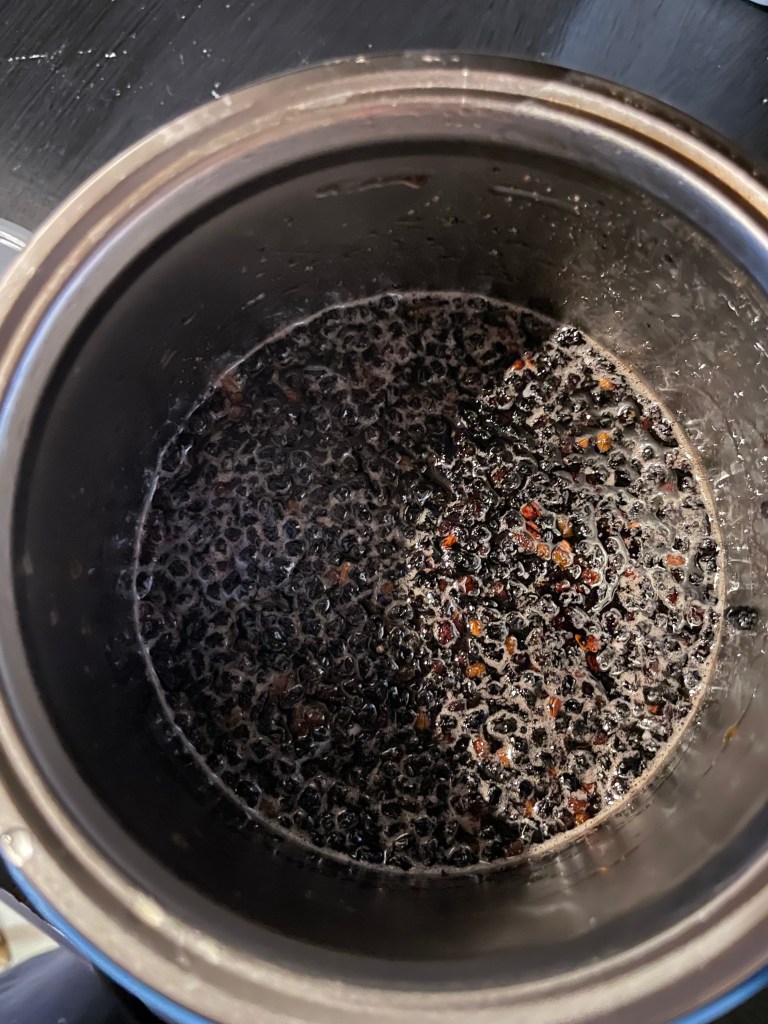
Festive Winter Simmer Pot
Ingredients:
- 1 orange, sliced (or 2-3 tablespoons dried orange peel)
- 1 cinnamon stick
- 1-2 tablespoons dried juniper berry (or dried cranberries work if that’s what you have!)
- 1-2 tablespoons dried pine needles, or a small pine bough freshly harvested
- 4-5 cloves
- Enough water to cover the herbs and cook down for the duration of your simmer. You can keep a large sauce pan simmering for a few hours on low heat if you’re going to be home, in which case 6-8 cups of water would do nicely. Otherwise a smaller saucepan with 4-5 cups of water to cover the herbs works! I’m not much of a measurer when it comes to simmer pots, so be creative and work with what you’ve got.
Directions: Add ingredients to a pot, uncovered, and bring water up to a gentle simmer. Turn heat to low and allow the simmer pot to infuse your home with the smell of warm winter herbs. Check periodically to make sure the pot isn’t boiling over and/or to add evaporated water to prevent herbs from burning to the bottom of the pan. When you’re done with the simmer pot, strain out herbs and compost.
I invite you to try some new seasonal herbs this year, and perhaps start a new tradition! Make an herbal syrup with a good friend or family member, thow some seasonal essential oils in the diffuser and make an herbal mocktail, or make cinnamon rolls for your kiddos. Holidays can be filled with joy, but they can also be strenous and stressful. Make space for all your emotions and support yourself with your herbal allies.
Happy Holidays!
PS: For those who listened to the pod AND read the blog…. here’s a funny bonus for you!
now I make Christmas cocktails in an adult onesie!
Citations & Recommended Reading:
- Encyclopedia of Herbal Medicine by Andrew Chevallier
- Learning Herbs: Clove, Cinnamon, Orange Peel, Pine
- Spice Migrations: Clove by Jeff Koehler, July 2 2021
- Juniper Herbal Reality
- What Do Oranges Represent in Chinese Culture?
- What’s So Special About Mandarin Oranges During Lunar New Year?
 Kawaoka Coaching
Leave a comment