We’re going to take a short break from plant monographs today and discuss a topic close to my heart: herbs for athletes. As a full time coach and athlete myself, I understand how demanding life AND exercising AND eating right can be. I discovered herbs at a pivotal point in my athletic career (as I was transitioning from the amatuer to professional field) and I felt an overwhelming call to share my experiences and growing understanding of plants with others (hence this podcast and my small herbal business). Let’s get into how herbs can support athletes from all walks of life and set you up with some easy herbal plant preparations!
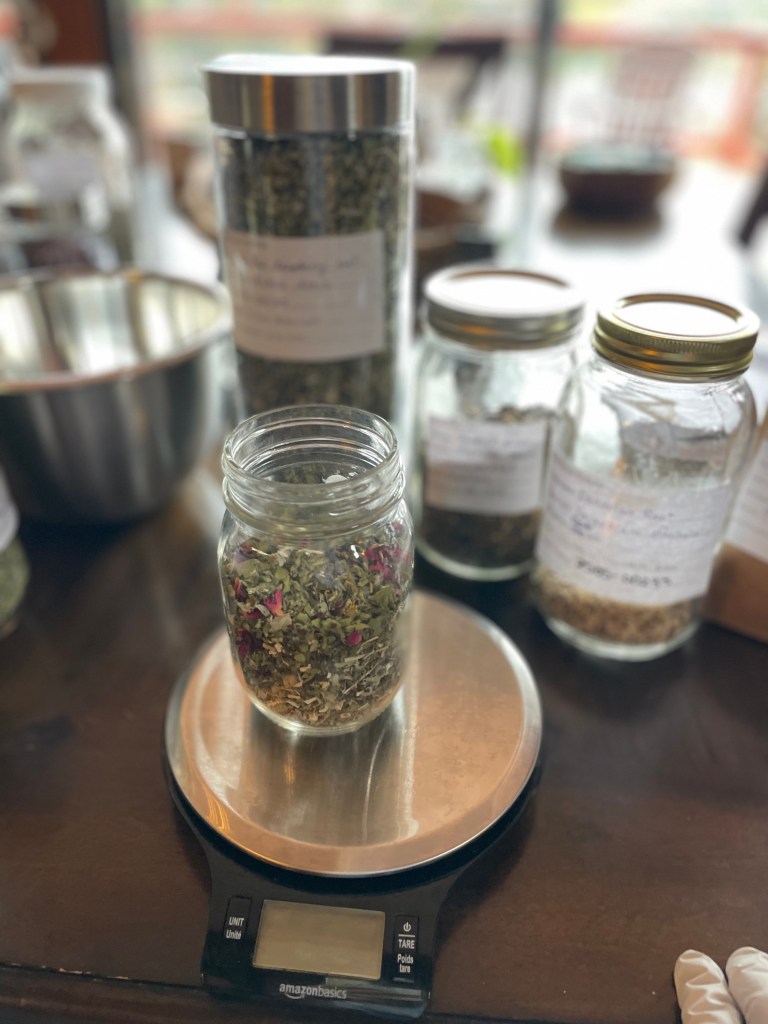
- Nettle
- Leaf: great for men AND women due to its high vitamin and mineral content + bioavailability. (we’re talking iron, calcium, potassium, magnesium etc) Emotionally, this herb can help with patterns of heat (its cooling) and irritation; if you’re feeling “easily nettled” grab a nutritive cup of nettle leaf tea! I find it particularly helpful for women in the late phases of their menstrual cycle just before menstruation, and for men who are depleted from high volume + a demanding work schedule. This plant is also fantastic for the kidneys!
- Root: indicated for men over 50 as it has an affinity for the urinary and reproductive system, namely in helping relieve symptoms due to prostate complications.
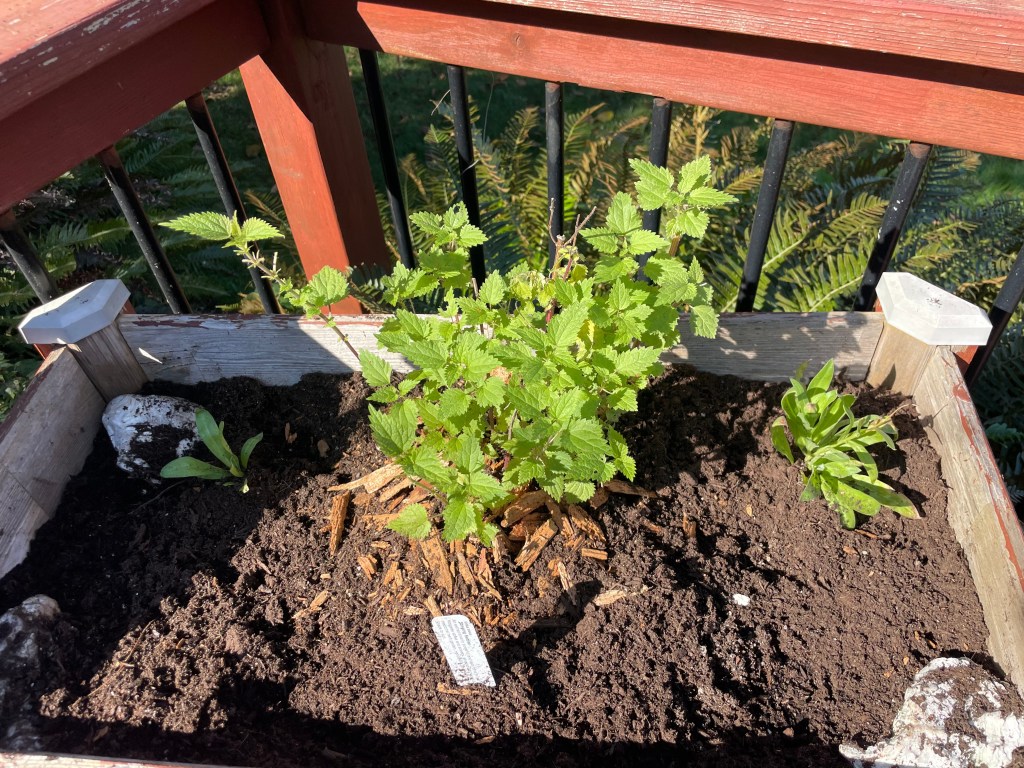
- Dandelion
- Leaf: a delicious, slightly bitter green that is not only cheap and widely availabe (look in your lawn!!) but incredibly high in vitamins and minerals. The leaf can be made into a salad or cooked green – similar to spinach – or drunk as a tea.
- Root: I prefer dandelion root to the leaf simply because if the taste. It’s rich and earthy, mildly bitter (like coffee) and is one of the best herbs out there for supporting the liver (a key player in filtering toxic substances, metabolism and digestion) and skin. Athletes who have weeping skin conditions, acne, eczema, breakouts etc. would benefit from dandelion root tea or simply adding some of the root into their morning coffee grounds. It’s a safe, gentle but effective option that’s widely available. For women, this herb can be a crucial ally during perimenopause; dandelion’s actions can help support symptoms from fluctating hormones and provide balance during this unpredictable time. Dandelion root is also high in the prebiotic, inulin.
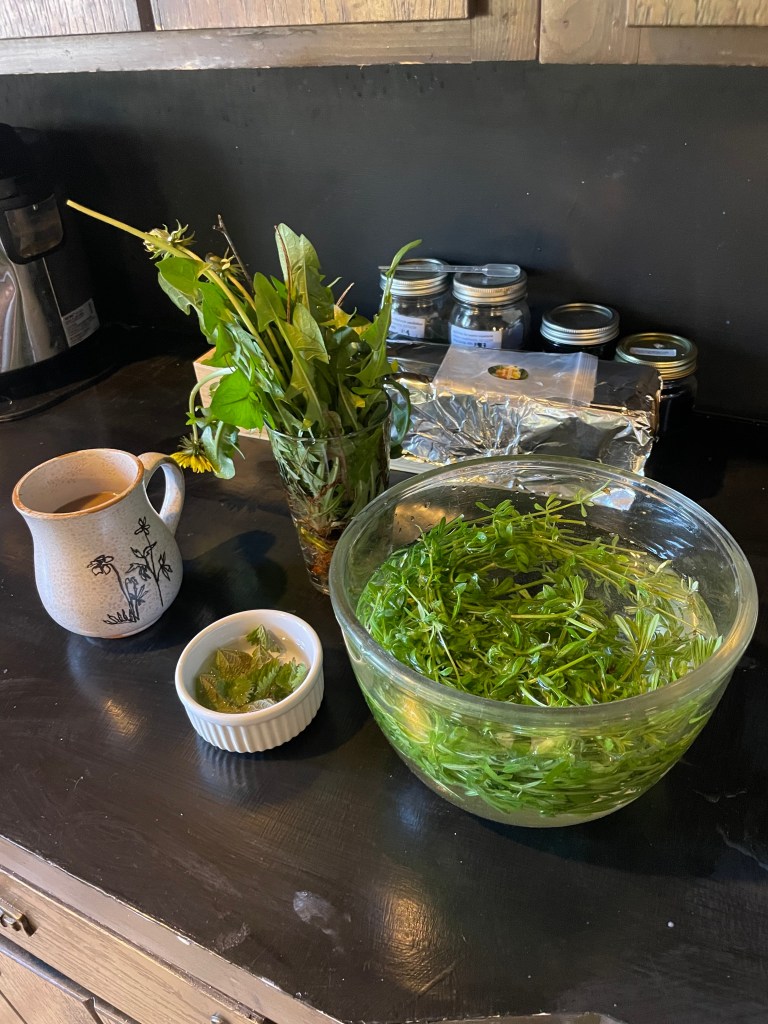
- Licorice root
- This tasty herb is a wonderful addition to tea blends. It makes a cup of tea not only delightful but also offers moistening properties that most herbs lack. Licorice root can sooth a sore throat, help heal gut inflammation or wounding, and helps support the adrenals. High, prolonged doses can increase blood pressure, so small doses (a pinch per cup of tea, or a blend where it makes up a very small amount of the overall formula) are recommended. I love adding licorice root to synergize a blend and provide a balanced temperature and tone to a formula. Its also quite comforting in taste, and offers natural sweetness without honey or sugar.
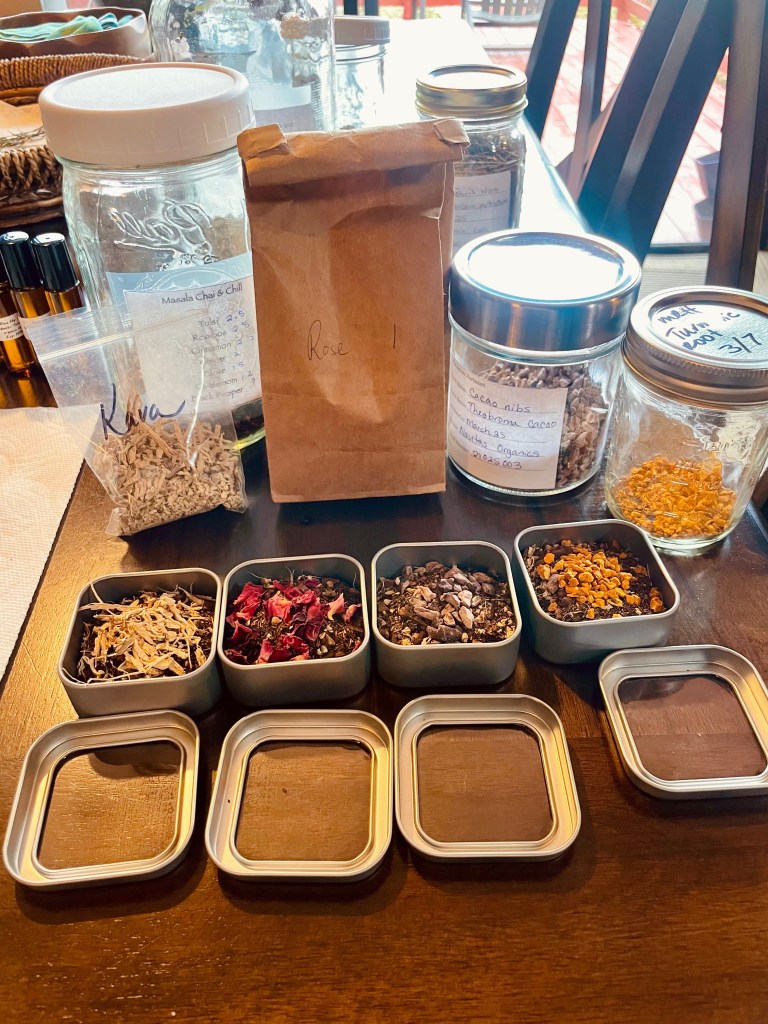
- Comfrey
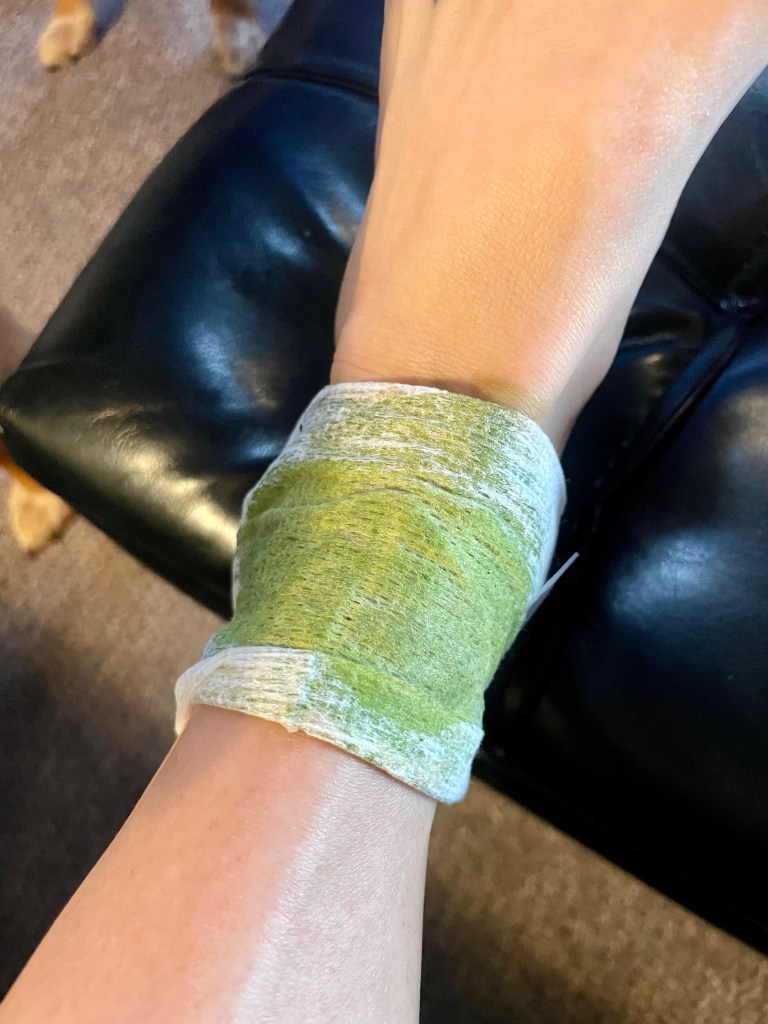
- Leaf: Comfrey is a topical application plant; the fuzzy leaves make a fantastic poultice or compress for sprains, bone breaks, stress fractures, bruises, tendonitis, plantar fascitis, burns, etc. I grow the plant so that I can use it for a quick remedy, but its easy and cheap to buy in bulk. You can make a strong tea with comfrey before straining (WELL) and soaking a washcloth in the tea to wrap around your injury. My favorite preperation is to pound the fresh or dried leaf to make a poultice, apply to injury, and leave it overnight or for a minimum of 1 hour during the day. The presence of allantoin helps dramatically speed recovery time.
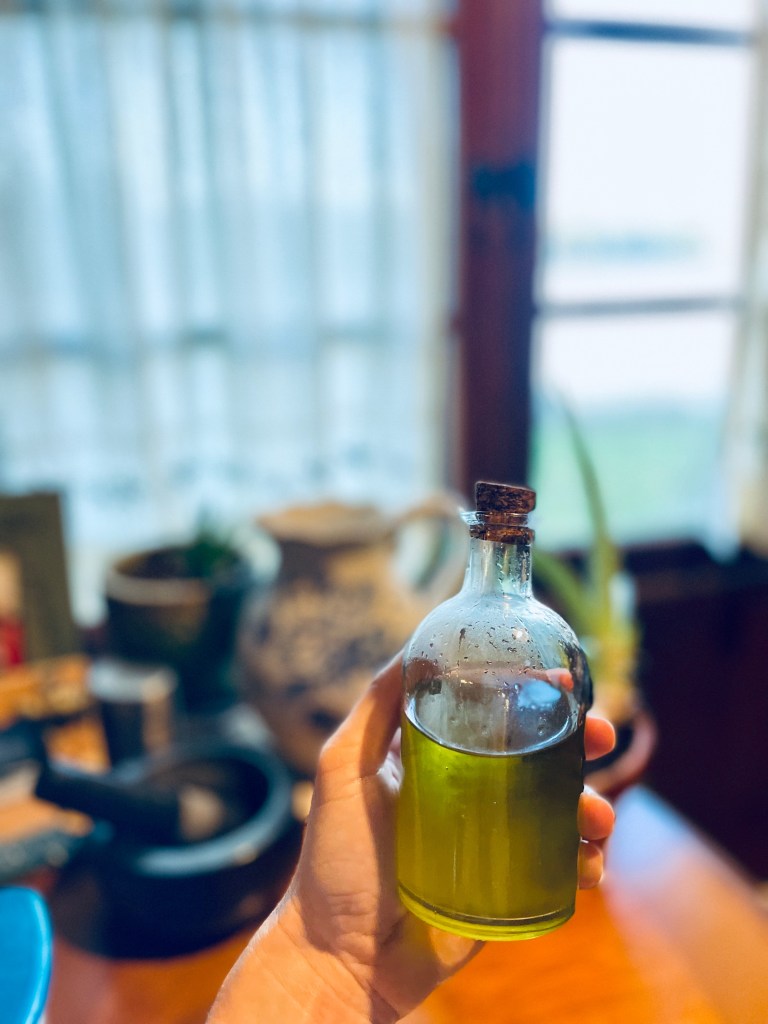
- Root: the root can be used similarly to the leaf. I dig up the root and make a strong infused oil to rub onto sore muscles. The oil can also be used to make a healing salve. Commercial products (like those on Amazon) often use comfrey root. I find both the root and leaf effective for injuries and decreasing recovery time, but reach for the fresh leaf most often because I have that available and its very quick to harvest and use. Its a darling plant and very easy to grow-I love having it around!
Adaptogens
- Adaptogens are herbs with non-specific action(s) that help the body respond to stress. They have a balancing affect on organs and organ systems, and are non-toxic. Adaptogens can range form very gentle to incredibly strong, and the dosage or concentration has a huge impact on how people feel after taking them (either no effect at all or very stimulating) In the pharmaceutical realm, strong capsules of powerful adaptogens are widely available. After studying plants more in depth, I find this alarming.
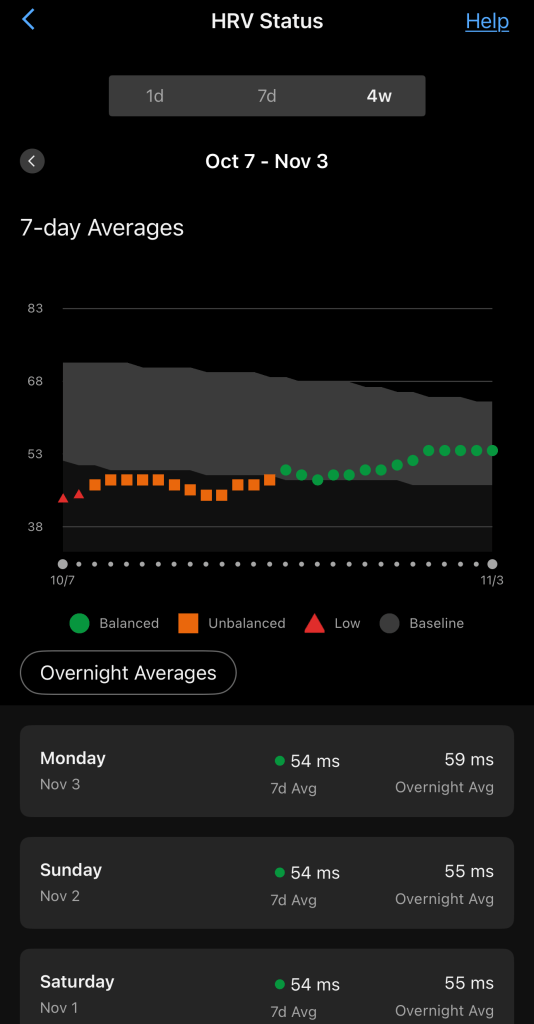
- Personal story on adaptogens: I discovered my husband had been taking a potent, concentrated, highly stimulating herbal adaptogen capsule blend for around 2 years. He was struggling with sleep, workout intensity, etc and his HRV (a score reflective of your training readiness using heart rate) was consistenly negative several weeks after his final race of the year. I told him to stop taking the concentrated adaptogen capsule and start taking some restorative herbs. He made a few lifestyle changes with his work, and after a week his scores dramatically improved and he felt significantly better. He’s now back to full time training load and intensity. Of course, more than one factor impacted his return to health, but this demonstrates how high doses of concentrated, stimulating adaptogens for a long period of time (longer than 6 weeks without a week off) can have a detrimental impact.
My top adaptogens for athletes:
- Holy Basil (Tulsi) is my all-time favorite! This herb is uplifting and relaxing but not sedative, in fact its used in India to help focus before meditation and yoga practice. For athletes who like to reach for their 3rd and 4th cups of coffee…holy basil could be a better option. I find it especially beneficial after a difficult race or life experience when one is feeling sad, disappointed, let-down, or grieving. Tulsi is very tasty, and brews up similarly to black teaa without any caffeine. It can also play a beneficial role in blood sugar regulation. Tulsi is a fantastic resource for those who struggle with focus.
- Gotu Kola reminds me a lot of holy basil, and I use them together often. Its gentle but effective (its technically a carrot-family vegetable that elephants consume!) with a special affinity for wound healing, making it a choice herb for athletes who are injured or recovering from surgery. Gotu kola is another herb that supports cognition and focus, but it does have a slighlty more earthy taste than holy basil. It can support circulation, and is often used when there is poor blood supply to extremities. This herb has a special affinity for the aging population, and I love using it for our senior populations.
- Eleuthero is a stimulating adaptogen that has loads of research backing its benefits. This is an herb that, if taking a concentrated, medicinal dose, its recommended to take 1 week off from supplementation after 6 weeks of daily intake. Eleuthero is fantastic for restoring energy and bolstering resilience to stressors like harsh climates, severe diagnosis (like cancer/radiation). This herb can help depleted individuals with low libido “bounce back” after use as they feel their inner energy shine again. It’s often encouraged to take medicinal doses before 2 PM, as it can be quite stimulating and energizing (though it is caffeine-free).
Herbal Preparations
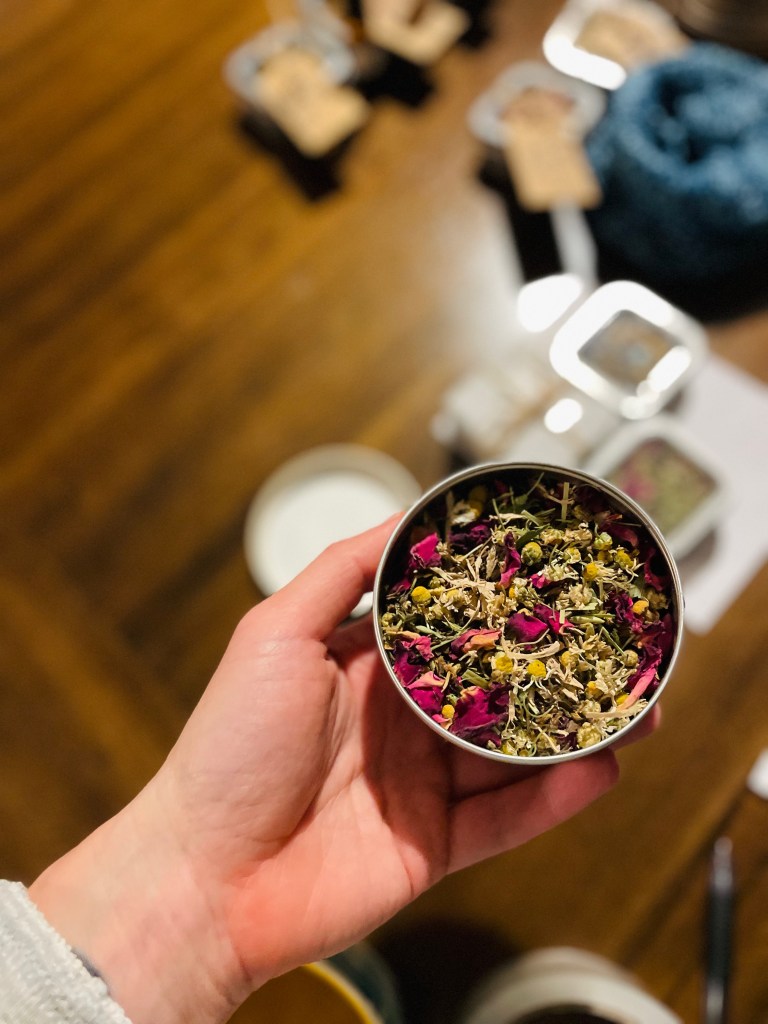
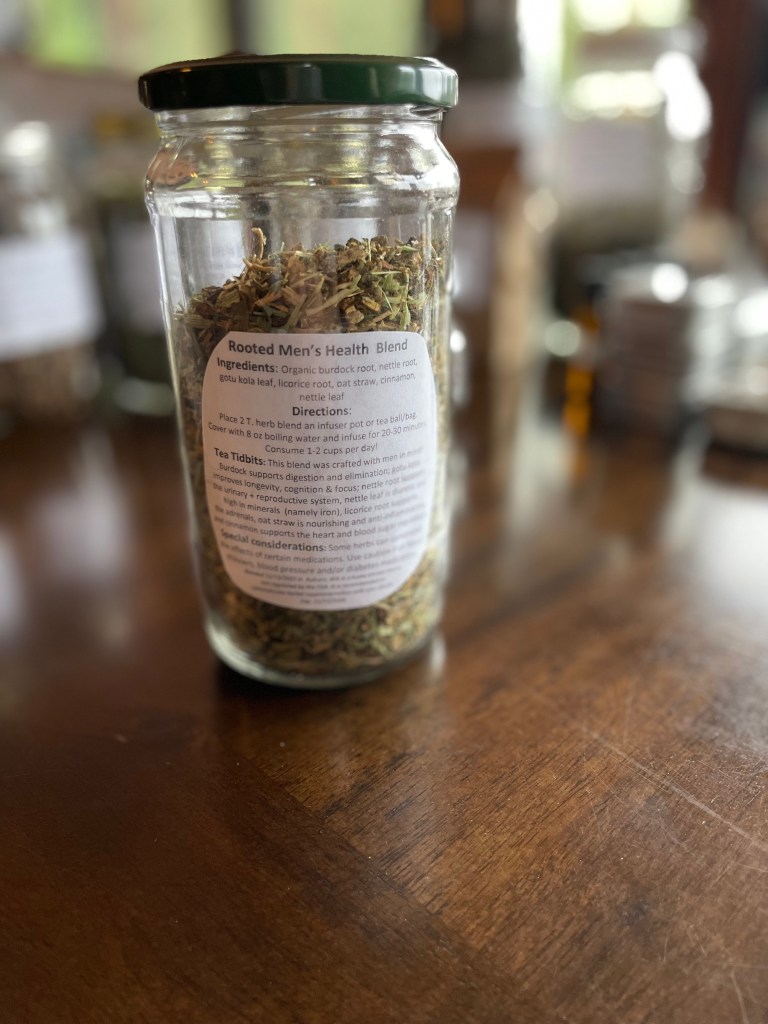
Tea: my favorite form of herbal medicine! Not only is it generally very safe and gentle, the very act of making a cup of tea is healing. Most herbs are best extracted from water, however, tea does take time to brew.
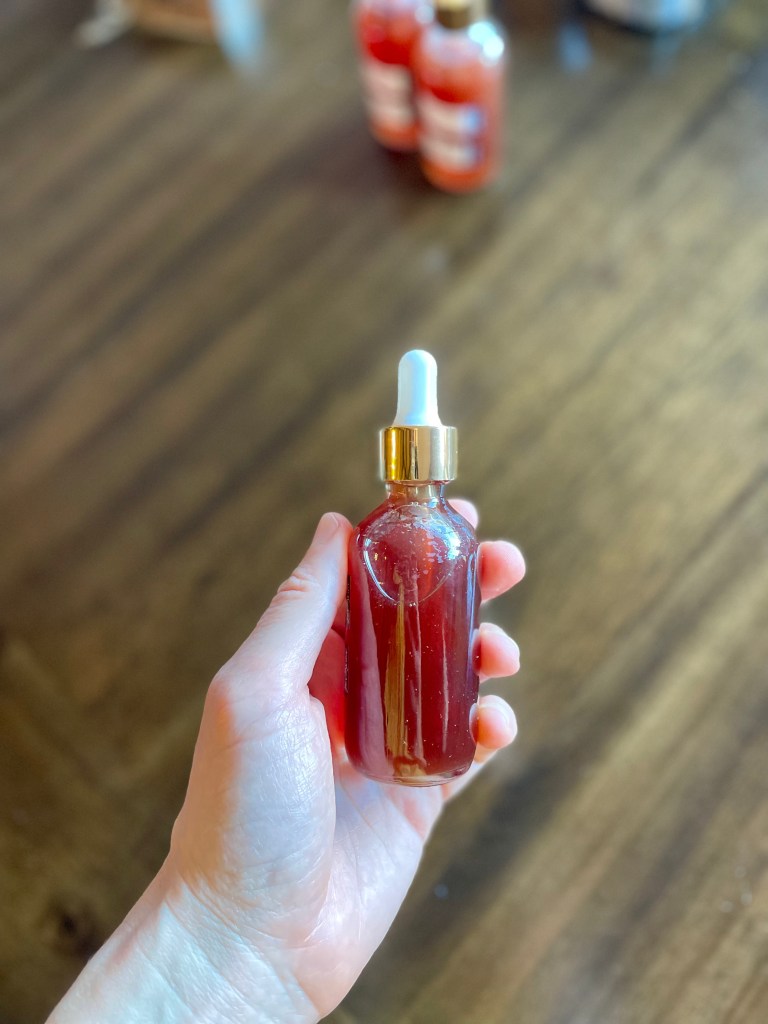
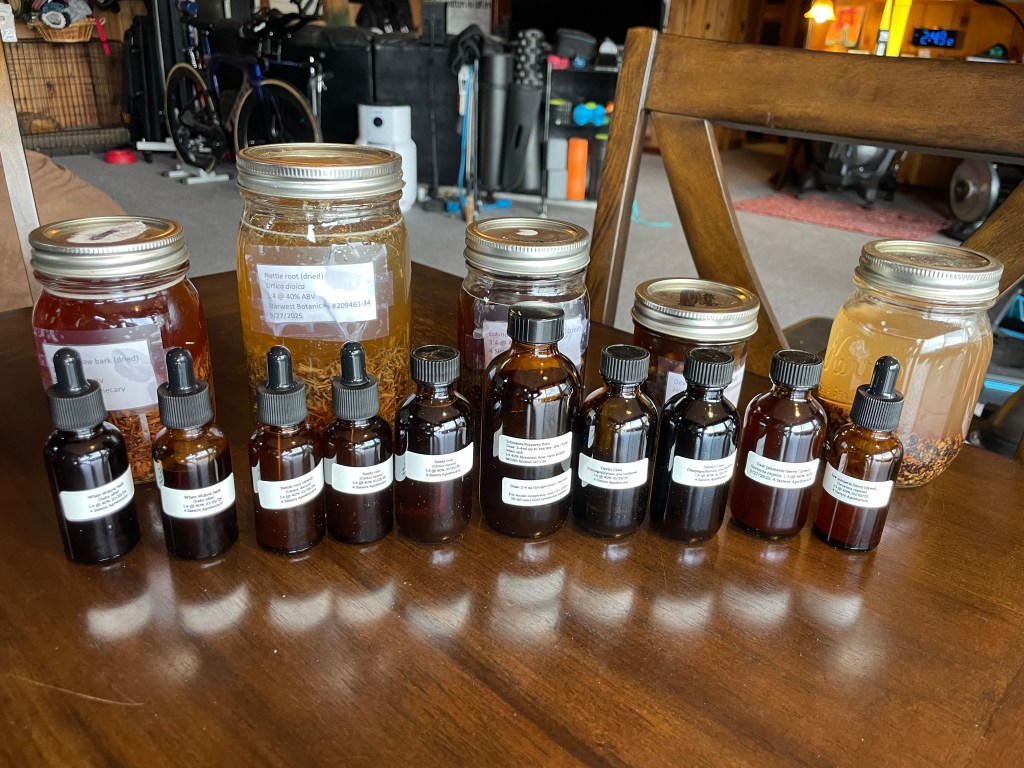
Tincture: Tinctures can be made using a variety of menstruums: vinegar, alcohol, glycerin, oil. Some constituents of herbs are extracted better through these menstruums, others are not. Tinctures have a very long shelf life, are very convenient to use and travel with, and are the most palatable way to consume less-tasty herbs.
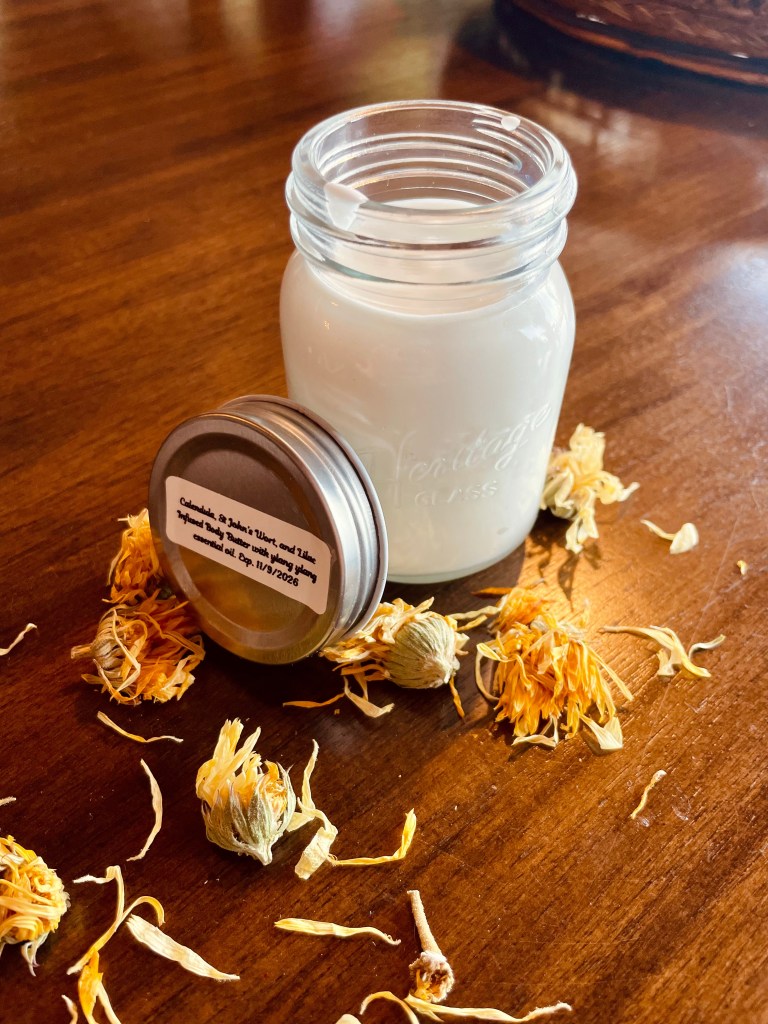
Topical: Topicals are fanastic way to use herbs daily! Topical salves, oils, creams, and lotions can help ease pain, reduce injury recovery time, decrease inflammation, and improve skin health. They’re easy to make and generally very safe to use.
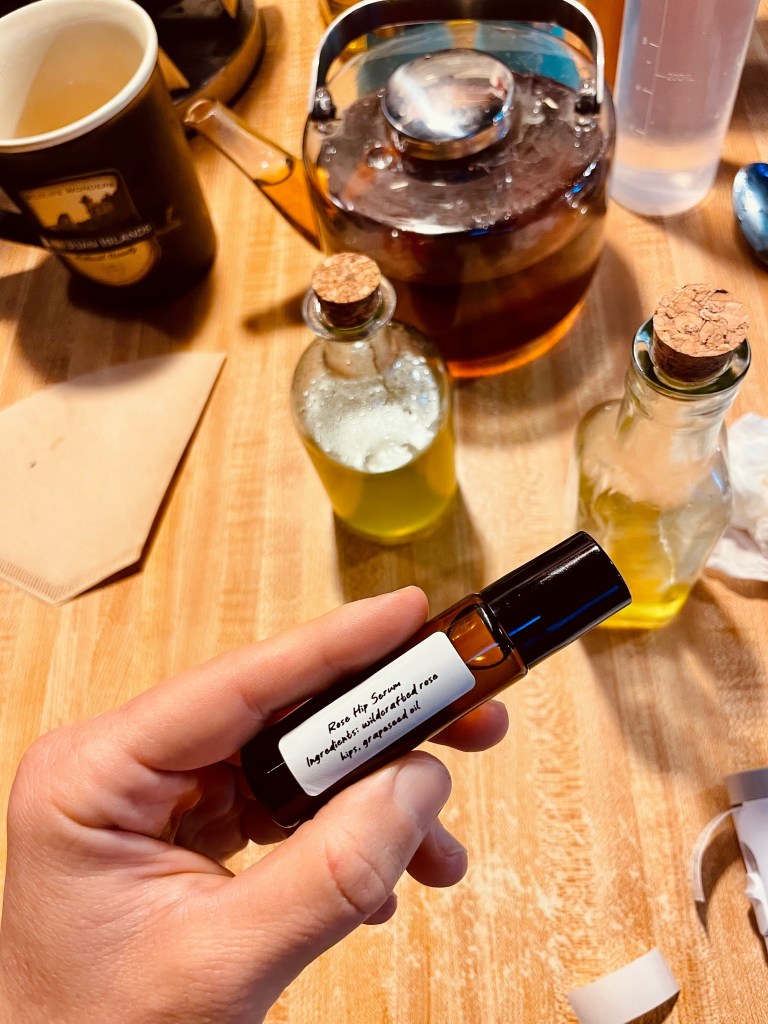
Coach Becca’s Herbal Athlete Blend:
Ingredients:
- 2-3 Teaspoons dried nettle leaf
- 1 Teaspoon dried holy basil leaf
- 2 Teaspoons Dandelion root
- 1/2 teaspooon Licorice root
Directions: Combine herbs into an infuser pot or tea bag. Pour boiling water (10 oz for a nice strong cup of tea, adjust for your taste) over the herbs and allow a minimum of 15 minutes to infuse (30-60 minutes is ideal for maximum extraction and potency!) Strain and enjoy!
 Kawaoka Coaching
Leave a comment