Centella asiatica
Family: Apiaceae (carrot) family
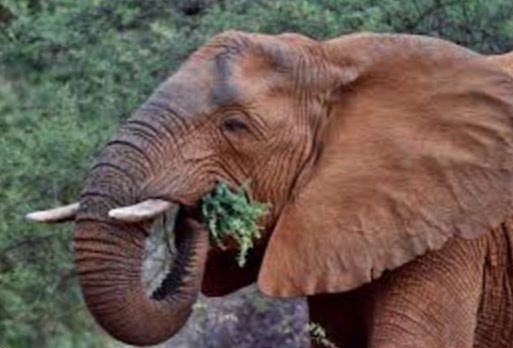
History & Growing: Gotu kola (commonly called Brahmi) grows in tropical environments, such as India and Southeast Asia, tropical areas of the US, Australia, South Africa and South America. It prefers a humid environment with moist, well-draining soil (such as marshes or riverbanks). Juliet Blankespoor notes this plant grows well in containers, particularly in colder regions where frosts occur, encouraging growers to create a habitat similar to its native environment (daily misting, broad wooden pot). Some cite this as a difficult herb to grow, best done from propagation/root division. Gotu kola is often grown as groundcover: it is a low-growing, creeping, ivy-like perennial with lobed, fan-shaped green leaves that are harvested year round. The leaves are used as a vegetable and food herb in addition to use as a tonic, medicinal herbal tea. Elephants consume gotu kola as part of their diet; the herb intake is attributed to their stunning memory and longevity. When it flowers, gotu kola boasts small pale pinkish/white flowers
Parts Used Medicinally: Aerial portions
Supplementation Forms: Food herb & vegetable (nibble, salad, broth, juice, smoothie), tea, tincture, infused oil, infused ghee, milk decoction, powder, poultice, compress.
Taste: Mildly bitter, hints of sweet/salty/earthy
Energetics: Slightly cooling but fairly neutral
Actions:
- Vulnerary
- Bitter Tonic
- Alterative
- Adaptagen
- Anti-inflammatory
- Antioxidant
- Nootropic
- Nervine
- Trophorestorative
- Circulatory stimulant
- Anti-bacterial
- Diuretic
Key Constituents: Triterpenoid saponins (asiaticoside, brahmoside, thankuniside), alkaloids [3]
Organs & Body Systems Herb Acts Upon:
- Brain & Nervous System
- Skin
- Also supports the blood and circulatory system as well as the digestive system
Traditional Uses:
- Wound healing
- Focus & Brain function
- Taken by students before school to help improve focus
- Tonic
- Taken to improve longevity, concentration & memory, slow aging, and sooth anxiety.
- Taken to increase clarity and focus prior to meditation
Current Uses (& Studies/Research):
- Skin
- Collagen & Connective Tissue
- Gotu kola helps strengthen and support veins, joints, skin and connective tissue due to stimulating action on collagen/blood vessels and anti-inflammatory components.
- Collagen & Connective Tissue
- Key constituents in gotu kola have both an anti-inflammatory action and stimulating effect on collagen synthesis and the formation of new blood vessels. This makes it ideal for post-op tissue repair, scarring, joint problems and more.
- The key constituent, asiaticoside, in gotu kola has been shown to speed up collagen formation and laying down new blood vessels.
- US studies found positive benefits in supplementation of high-strength extracts to help diabetic neuropathy (nerve pain due to poor circulation). [3] Andrew Chevallier
- Recovery from surgery/injury, burns, bone breaks, sprains, reduce scarring
- Varicose veins (popular venous tonic – even in the context of pre/post travel), psoriasis, and eczema
- Can be used in formulas to sooth chronic UTI’s & cystisis
- Can be applied externally as a poultice, compress, or cream, or consumed as a tea to support healing
- Nervous System:
- ADHD/ADD
- You can pair gotu kola with a stimulating/energizing herb (rosemary) or relaxant herb (mint/tulsi) depending on the pattern Some herbalists, like Tasha Greenwood, use this herb to treat post Covid-19 (or “long Covid”) brain fog.
- Gotu kola has been studied as a relaxing tonic for the past few decades“A clinical trial in 2008 found gotu kola extract improved attention, memory, alertness and mood in 28 healthy volunteers with an average age of 65.” Andrew Chevallier [3]
- ADHD/ADD
- Combined with regular exercise, daily gotu kola supplementation showed promising positive impacts on healthy aging and cognition by reducing pro-inflammatory cytokine levels. [6]
- A 2016 study showed gotu kola (in comparison with folic acid) was more effective in improving memory. Lab and animal studies demonstrate gotu kola’s neuroprotective abilities [7, Healthline]
- Anxiety
- A human clinical trial on gotu kola showed its anxiolytic effect: participants showed a significantly reduced acoustic startle response within 30-60 minutes of supplementation [5]
- A 2013 review concluded gotu kola can have acute anti-anxiety effects, while a 2016 review on 33 adults with general anxiety showed a decrease in stress, anxiety and depression when taking gotu kola in place of their medication for 60 days [7]
- Gotu kola has long been used as a soothing and uplifting remedy in Ayurveda and TCM (see next bullet point!) [4]
- Tonic: Rejuvenating tonic that soothes irritability, helps scattered minds find focus, and supports those who generally feel indecisive or struggle with focus.
- Digestive System support
- Mild bitter that helps balance and heal digestive system (vs a strong bitter with direct action on the liver/gall bladder)
- Indicated with patterns of sluggish digestion and corresponding brain fog
- Its vulnerary actions help heal wounding in the gut, like ulcers and gastritis. When eaten fresh, gotu kola can offer a moistening effect on the digestive system while providing nutrients (fiber). Like any vegetable consumed in higher amounts, gotu kola can have a mild laxative effect [4]
- Blood (alterative)
- Gotu kola helps improve circulation by moving blood to the extremities, notably to the brain (nootropic, trophorestorative). Gotu kola can help support those with chronic venous insufficiency and resulting symptoms (hemorrhoids, varicose veins) as well as diabetics who have poor blood flow to hands/feet. This same action on circulation is why gotu kola offers relief for arthritis patients, as improved circulation to the joints helps relieve symptoms while improving joint health, in addition to gotu kola’s key constituent asiaticoside’s anti-inflammatory action.
- Blood pressure
- “A clinical trial published in 2021 administered gotu kola tea to participants, the majority of whom showed lowered systolic and diastolic blood pressures after consumption.” Tasha Greenwood [4]
- Gotu kola often makes its way into formulas used to support a healthy heart, healthy blood pressure and healthy veins. Gotu kola acts in a number of ways to support the blood, heart and circulatory system
- Clinical trials report the majority of participants regularly consuming gotu kola tea showed lowered blood pressure (systolic/diastolic)
- Studies are positive regarding gotu kola’s effect on stabilizing arterial plaque. Similar to how a synthetic statin reduces the risk of a heart attack caused by plaque displacement/rupture, gotu kola helps support plaque stabilization, likely due to its role in modulating collagen growth and breakdown. There could be crossover with gotu kola consumption and its role in supporting amyloid plaque in the brain -which has shown a correspondence to Alzheimers. This could make supplementation beneficial for combatting degenerative brain conditions [4, Greenwood]
When to Reach for Herb & In What Form:
- Makes a mild cup of tea that can blend well with other herbs.
- Tincture or capsule is potentially easier if supplementing a higher dose
Dosage & Preparation:
- Tea: 1-2 tsp of dried herb per 8 oz water 1-3 times / day [1]
- Tincture: Fresh (1:2 @ 95%) or dry (1:5 @ 50%) 2-5 ml 1-3 times/day [1]
- Capsule: 500-1,000mg 1-3x/ day for up to 14 days. (up to 2000mg/day in acute situations) [4, 7]
- These may be more beneficial for ensuring adequate intake of key active constituents
- As a juice/food/salad vegetable: may be more beneficial for moistening effects
Contraindications:
- Do not use in pregnancy unless under practitioner supervision, however this has been an herbal
- Topical applications sometimes cause dermatitis
- High intake/dosage may cause headaches
- Can occasionally cause sensitivity to sunlight
Elemental, Planetary & Dosha Discussion:
- Considered tridoshic, meaning regular intake of gotu kola can help balance all 3 doshas
- Water element: marshy native habitat, diuretic, promotes tissue repair
- Mercury rulership: improves cognitive function (Sajah Popham, Evolutionary Herbalism)
Citations & Recommended Reading:
- The Healing Garden, Juliet Blankespoor
- Body Into Balance, Maria Noel Groves
- The Encyclopedia of Herbal Medicine, Andrew Chevallier
- Gotu Kola Uses and Plant Monograph, Learning Herbs by Tasha Greenwood
- Bradwejn J, Zhou Y, Koszycki D, Shlik J. A double-blind, placebo-controlled study on the effects of Gotu Kola (Centella asiatica) on acoustic startle response in healthy subjects. J Clin Psychopharmacol. 2000 Dec;20(6):680-4. doi: 10.1097/00004714-200012000-00015. PMID: 11106141.
- Phoemsapthawee J, Ammawat W, Prasertsri P, Sathalalai P, Leelayuwat N. Does Gotu kola supplementation improve cognitive function, inflammation, and oxidative stress more than multicomponent exercise alone? – a randomized controlled study. J Exerc Rehabil. 2022 Oct 26;18(5):330-342. doi: 10.12965/jer.2244388.194. PMID: 36420467; PMCID: PMC9650315.
- Everything You Need to Know About Gotu Kola by Heather Hobbs. Sept 18, 2018. Medically Reviewed By Andy Watkins-McCall, MD, MPH
Recipe of the Week:
Focus & Memory Care Blend:
- Ingredients:
- 2 tsp each of dried, organic:
- Gotu kola
- 2 tsp each of dried, organic:
- Mint
- Tulsi
- Lemon balm (or rose!)
- Optional: a pinch of dried or fresh rosemary and/or stevia
- Add ingredients to a tea bag or infuser pot. Cover with 1.5-2 cups of hot water and steep for 15 minutes. Strain and enjoy!
 Kawaoka Coaching
Leave a comment