“Queen of the Meadow”
Filipendula ulmaria
Rosacea family
The Active Herbalist products with Meadowsweet: Aches, Pains & Digestive Relief Tea
History & Growing:
One of the most sacred herbs of the ancient Druids, meadowsweet has offered digestive and musculoskeletal relief for many hundreds of years. Meadowsweet is native to Europe and Asia but has been naturalized to North America. Traditionally, this “strewing herb” was harvested and spread across floors to offer aromatics about the room. It’s common in traditional European medicine, often in wines, meads, and vinegars. As its name states, meadowsweet grows well in wet meadows and lowland marshy environments like ditches, river banks and streamside. It grows from seed or root propagation, the latter of which is noted as easier, and seeds itself freely once established. The aerial portions are harvested in summer when the flowers open.
Parts of Meadowsweet Used Medicinally: Aerial portions
Ways to Consume Meadowsweet: Tea, tincture, vinegar, honey, oxymel, syrup, capsule or standardized extract, mead, elixir, cordial, homemade soda
Energetics: Cooling & drying
Taste: Bitter & Astringent
Actions:
- Alterative: helps clear excess uric acid from the body
- Antibacterial
- Anti-inflammatory
- Antirheumatic
- Anodyne
- Astringent: tightening tissues that are lax, loose, and/or leaking fluid
- Bitter tonic: stimulates digestion/liver/gallbladder
- Diaphoretic
- Diuretic: helps clear kidneys of acid residue from the body, relieving joint inflammation (often associated with acidity)
- Encyclopedia of Herbal Medicine, Chevallier
Organs & Body Systems Meadowsweet Acts Upon:
- Digestive (particular affinity for upper GI and stomach)
- Urinary tract
- Musculoskeletal (namely joints)
Traditional Uses:
- As aforementioned in the introduction, it was used as a strewing herb. Gerard, an English herbalist from the 1500’s, wrote in his 1597 book Herball “the smell thereof makes the heart merry and joyful and delighteth the senses.”
- Commonly used in wines and meads as well as to flavor culinary dishes.
- Apparently Queen Elizabeth used the herb instead of straw to scent her chamber
- Bridewort is another common name for meadowsweet, as brides used to carry the creamy white flower down the aisle in bouquets on their wedding day as a symbol of love, peace and happiness. How lovely!
- Historically used as a premier digestive remedy; it was also used for headaches and fevers.
Current Uses:
- Due to the presence of salicylate compounds (such as salicylic acid, methyl salicylate, salicin, and more), meadowsweet is a premier herbal remedy for joint pain, rheumatoid and osteoarthritis, tendonitis, muscle strain and injury. Salicylates reduce inflammation by inhibiting activity of enzymes.
- Meadowsweet is one of the top remedies for stomach ulcers, heart burn, sour stomach complaints, diarrhea, acid reflux, IBS, and leaky / inflamed gut issues. It’s astringent properties help tighten and tone wounded (or potentially bleeding) tissue while its bitterness and cooling properties help counter excess heat, such as edema.
- Meadowsweet’s heat-sedating, binding properties, and mild antiseptic qualities often indicate its use in urinary complaints, like incontinence, burning pain or hot UTI’s, cystitis, urethritis, and/or dribbling urine.
- Often used as a gentle pain reliever in remedies for headaches, colds, flus, toothaches.
- Meadowsweet is significantly more mild than modern pain-relievers and fever reducers. It would take liters of a strong herbal decoction to consume the equivalent of part of a baby aspirin!
Studies:
- Salicylates found in herbs like meadowsweet have anti-inflammatory and pain-relieving attributes. This compound was isolated and synthesized to make the first form of aspirin (Spireae was the original scientific name of meadowsweet, and inspired aspirin’s naming) Salicylates do not irritate the stomach lining, like aspirin and other NSAID medication, nor do they cause ulcers. In fact, herbs containing salicylates often treat these conditions.
- Per the Encyclopedia of Herbal Medicine (Chevallier) a 2015 Russian laboratory study determined that meadowsweet significantly protected against radiation-induced cancer.
Dosage:
- 2 teaspoons up to 1 tablespoon dried herb per 1 cup of boiling water up to 3x’s per day
- 2-4 ml of tincture (approx. 1-2 droppers) up to 3x’s per day
- Follow dosage on capsule/standardized extracts
Contraindications:
- NOT FOR THOSE WITH ASPIRIN ALLERGY
- It should be taken separately of iron supplements, as it will lessen its absorption.
- Meadowsweet should not be consumed with blood thinners.
Planetary, Elemental, Dosha Associations:
- Fire plant under Saturn rulership
- Meadowsweet is used to treat fiery conditions, and shows fire signatures with its serrated leaves. It also has thin streaks of red coloration up the stem.
- Saturn is cold and dry, like Meadowsweet, governs the joints, bones and connective tissues. As a cooling, constricting plant with actions on the joints, this plant falls under Saturn’s rulership. Saturn balances the heat from warm planets, like the Sun and Mars, as well as the relaxed symptomology of Venus while also drying patterns of dampness from the Moon. In this way, Saturnian plants are often godsends for chronic patterning, something Saturn is somewhat reputed for.
- Meadowsweet balances the heat of excess pitta, as well as the excess fluid common with excess kapha. Cooling, drying, astringents can aggravate vatta constitution, so moistening and warming formulas should be used when this herb is indicated for said constitutions. Meadowsweet works well in heat/excitation and damp/relaxation tissue states, such as hot-headed fiery types who perhaps consume a lot of caffeine! When there’s heat radiating up and out from the GI, herbalist Sajah Popham strongly recommends Meadowsweet!
Citations & Recommended Reading:
- Sajah Popham’s Meadowsweet: Not Just “Herbal Aspirin”
- Encyclopedia of Herbal Medicine, Andrew Chevallier
- The Healing Garden, Juliet Blankespoor
Recipe of the Week: Minty Meadowsweet Tea
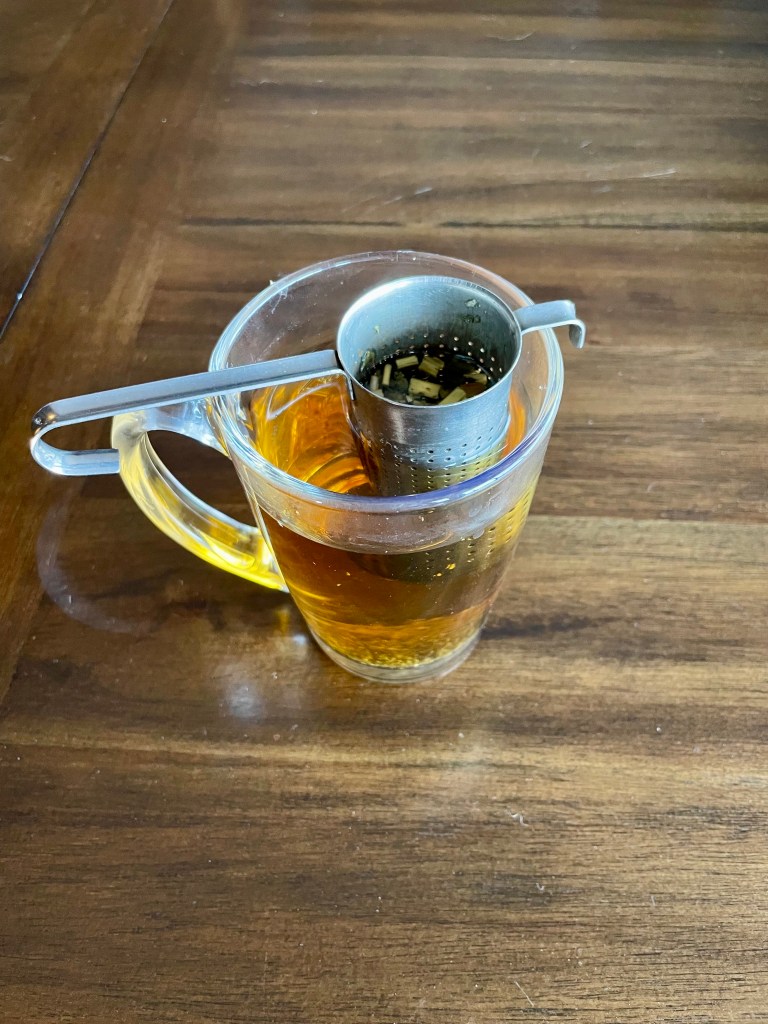
2 teaspoons each: dried, organic mint (spearmint or peppermint) & meadowsweet. Combine herbs in an infusion pot, tea sachet or mug and infuse for 15-30 minutes. Strain and enjoy!
 Kawaoka Coaching
Leave a comment