Lamiaceae (mint) family
History & Growing:
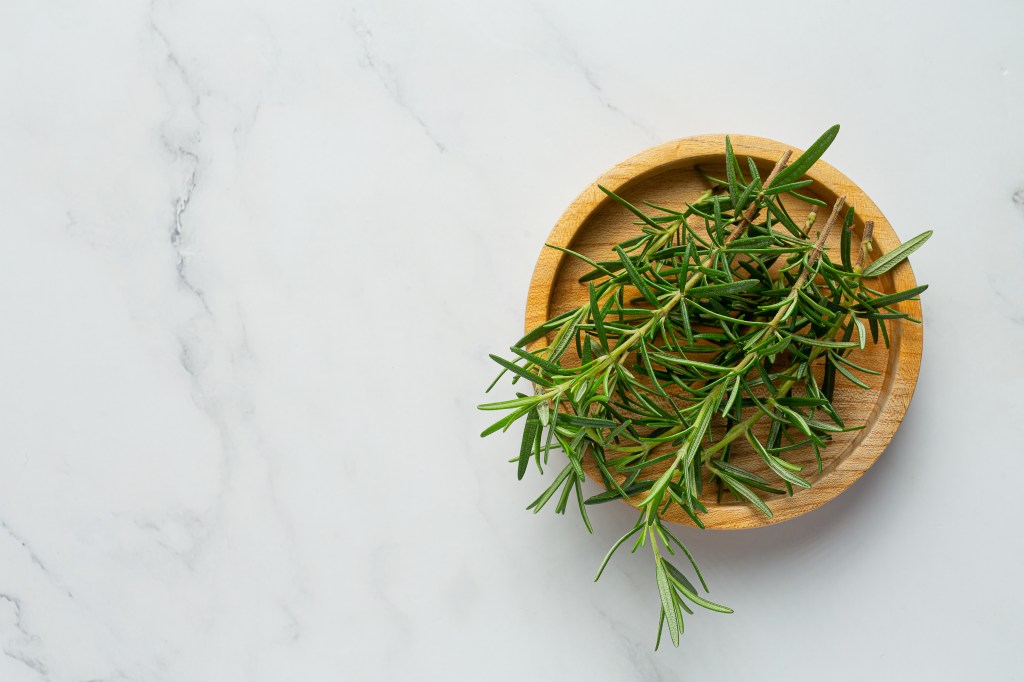
Rosemary is a shrubby Mediterranean perennial plant cultivated around the world. Its scientific name pays homage to its native habitat, the Latin phrase ros marinus translating to “dew of the sea.” Often grown from seed or propagated from cuttings, rosemary prefers warmer climates and well-draining soil (on the drier side). Although it grows well here in temperate Seattle, I have killed this wonderful herb on 3 different occasions while my mother in law can’t get her rosemary to stop growing! I’ve learned rosemary need regular watering but doesn’t like “wet feet”, making her a bit fussy in my opinion. Rosemary cuttings are harvested in summer. She boasts pretty, colorful flower in late summer, but has a reputation for flowering into the winter in some climates. Rosemary is an ancient herb, with uses dating back thousands of years. The first record of rosemary dates back 5,000 years, with mention of it found on cuneiform tablets. Rosemary was used as a memory aid, as seasonings in food, and in both weddings (brides would wear it in floral headpieces as a symbol of love and fidelity) and funerals. Greek students were said to call in its memory-enhancing properties during lessons or prior exams. Greeks, Romans, Chinese (introduction & naturalization dating back to Han dynasty), and European cultures all have historical traditional uses of the herb! Charlemagne, who had an affinity for botanica, insisted it was grown in his gardens. In Christian context, rosemary is associated with Mary. Some stories say it lined Jesus’ manger, and others say Mary lay her blue cloak over a rosemary bush, turning the flowers from white to the beautiful color of her cloak. Even Shakespeare’s Hamlet mentions rosemary’s brain boosting powers; Ophelia states “There’s rosemary, that’s for memory. Pray you, love, remember…”
Rosemary’s Taste: Pungent and aromatic (reminiscent of pine), strong and slightly bitter
Parts of rosemary used medicinally: Aerial parts: specifically the needle-like leaves
Rosemary’s Energetics: Warming and drying
Rosemary’s Actions:
- Anti-inflammatory
- Antioxidant
- Antimicrobial
- Antispasmodic
- Bitter tonic
- Circulatory stimulant
- Carminative
- Emmenagogue
- Expectorant
- Neuroprotective
- Nootropic
Body Systems rosemary acts on:
- Digestive
- Cardiovascular
- Nervous system
- Respiratory system
- Reproductive system
- Skin
Ways to consume rosemary:
- As a dried herb and seasoning in food
- As a tea, although it’s taste may be strong for some!
- In a tincture, capsule or standard extract
- Rosemary infused honey, vinegar, or oil
- Rosemary essential oil or essence
Traditional Uses of rosemary:
- Traditionally used to relieve brain fog and improve short term memory enhancement.
- Rosemary was a symbol of love, fidelity, and good luck.
- Warming, tonic for the cardiovascular system & circulatory remedy
- It was in the 14th century for perfume, known as Hungary Water.
- Rosemary was used as a seasoning in food
- Students, brides, and mourners would all use rosemary in various ways
- Burning it was used as an early form of incense
Current Uses of rosemary:
- Seasoning and marinade in culinary dishes from meat dishes to soups! Because of its bitter properties, which stimulate the gall bladder and liver, consuming rosemary with fatty dishes can aid in digestion. The volatile oils can help dispel gas and bloating.
- Rosemary and rosemary essential oil is often used in cosmetics, hair products, and on burners or in potpourri mixes.
- Herbal remedies call on rosemary for headache relief, especially tension or vasoconstrictive headaches.
- Rosemary is a wonderful caffeine-free alternative for improving focus. It is still one of the top remedies for improving cognition and memory.
- Rosemary is often used in herbal practice for those with cold hands and feet, or other ailments resulting from poor circulation.
- The restorative properties of rosemary could make it an ally for those with long-term ailments, such as chronic fatigue, stress, burnout, etc. and may even help repair nerve damage
- It is sometimes called upon in cases of sadness or mild depression due to its uplifting qualities.
- Rosemary can help support digestion and may be used in digestive formulas, particularly when there is evidence of sluggishness, stagnation, and/or loss of appetite.
- Topical applications may help relieve aching muscle pain, such as those suffering from arthritis. Rosemary has actions on the capillaries, dilating them to improve blood flow to wounded or sore areas.
- Rosemary is often cited as a hair growth stimulant, and is often used in hair conditioners, sprays and shampoos.
- I use it in homemade disinfectants and topical hair sprays for its antimicrobial properties and scent. Check out my recipe at the end of the blog!
When to reach for rosemary:.
- COOKING! What a wonderful food herb!
- When you’re in a bit of a mental fog or need some help focusing, perhaps accompanied by a bit of sadness or cold sluggishness.
- Rosemary tea will certainly perk up your senses! Pair it with other mint herbs for mental stimulation.
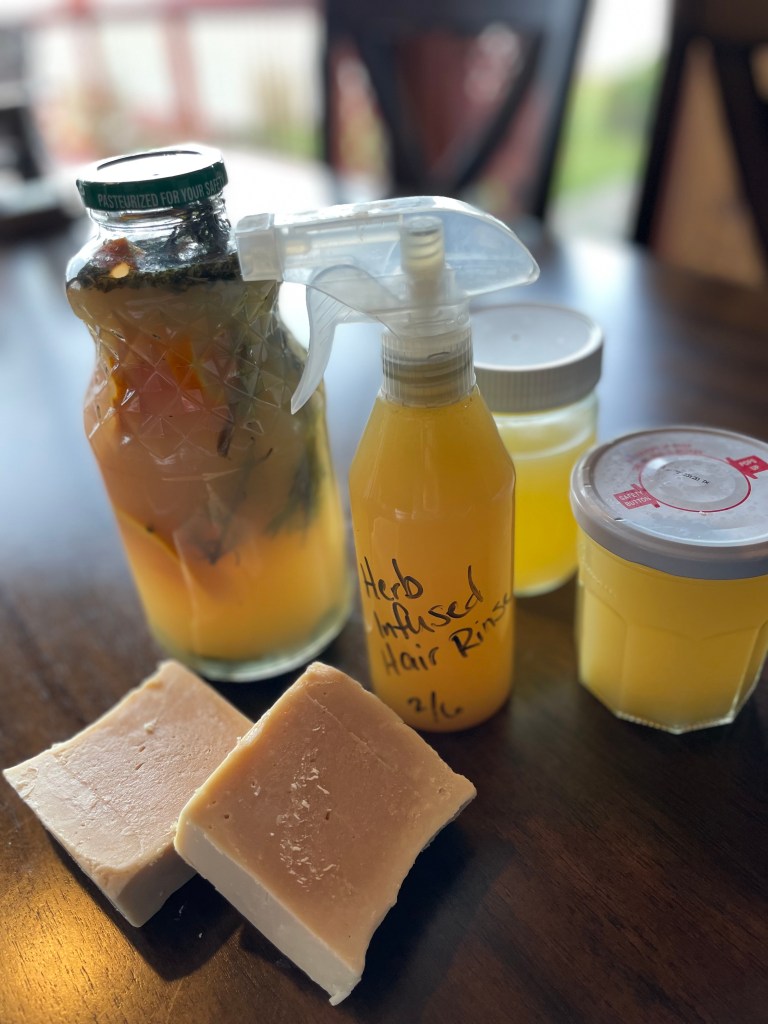
- Hair growth: I use it in my herbal hair spritz and sometimes in shampoo bars. I’ve also used infused olive oil with fresh rosemary or rosemary essential oil in a spray bottle to condition my hair.
- On the infuser: to cleanse the room and ignite your focus/enhance cognition.
Studies on rosemary:
- Taken primarily from reserach in the Encyclopedia of Herbal Medicine, Andrew Chevallier
- Rosemary and nerve repair: ‘a Japanese study in 2003 suggests that diterpenes within rosemary strongly stimulated nerve growth.’
- Rosemary and anticancer properties: rosemary extract and its notable active constituents rosmarinic acid and carnosic acid have been studied for their anticancer effects and published in Cancer Letters for its promising results.
- Rosemary and blood pressure: Regular rosemary intake has been shown to have significant action on blood pressure. Clinical trials done on those with low blood pressure showed improved blood pressure after using rosemary. Patients involved in studies and trials reported feeling better!
- Rosemary and cognitive function:
- “A double blind clinical trial from 2017 on university students concluded rosemary can be used to boost memory, reduce anxiety and depression while improving sleep quality.”
- ‘A small 2012 study focused on the short term impacts of rosemary intake elderly participants (average age 75). Their cognitive function improved, with a dose of 750 mg proving most effective.’
- Low doses of rosemary taken regularly are recommended.
Dosage:
- Standard herb doses apply to rosemary: 1-3 servings per day depending on symptoms, severity and health history
- Tincture: 1-2 ml. 1-3 times/day
- ¼- 1 teaspoon of the dried or fresh herb per 8 oz of water as an infusion (taste is a big factor here!) Remember low doses regularly are most effective in using rosemary for cognition.
- Follow dosage instructions on standardized extracts
- Season foods with rosemary to taste! Consuming a low dose in food, however, is different than regular supplementation.
Contraindications:
- Pregnant women are not recommended to supplement with rosemary.
- Rosemary supplementation is not recommend for those with high blood pressure.
Elemental, Planetary & Dosha Associations:
- Air plant due to its affinity for respiratory and nervous system, along with its long, thin stems and upright growing style, and purple flowers
- Rulership under the Sun due to its warming, circulatory stimulant properties
- Thanks Sajah Popham!
- May be a very beneficial herb to the kapha dosha due to its stagnant, depressive tendancy (as rosemary is warming and stimulating) and may be helpful to the vata dosha in terms of focus and cognition, however it’s drying and long term use should be considered in a formula for dry consititutions. While the pitta dosha may be least indicated for rosemary, I – as a pitta dosha- use rosemary regularly as food herb and daily in hair care routines. Formulation and form are just key factors to consider with regular use! Consult your physician on the best way to incorporate rosemary supplementation, and remember dosage and formulation to correct consititutional, long term imbalances/excess/deficiencies.
Citations:
- A Sprig of Rosemary, Angela Dunsby.
- Encyclopedia of Herbal Medicine, Andrew Chevallier
Recommended reading:
https://www.sciencedirect.com/science/article/abs/pii/S0378874113008003
https://pmc.ncbi.nlm.nih.gov/articles/PMC5054390
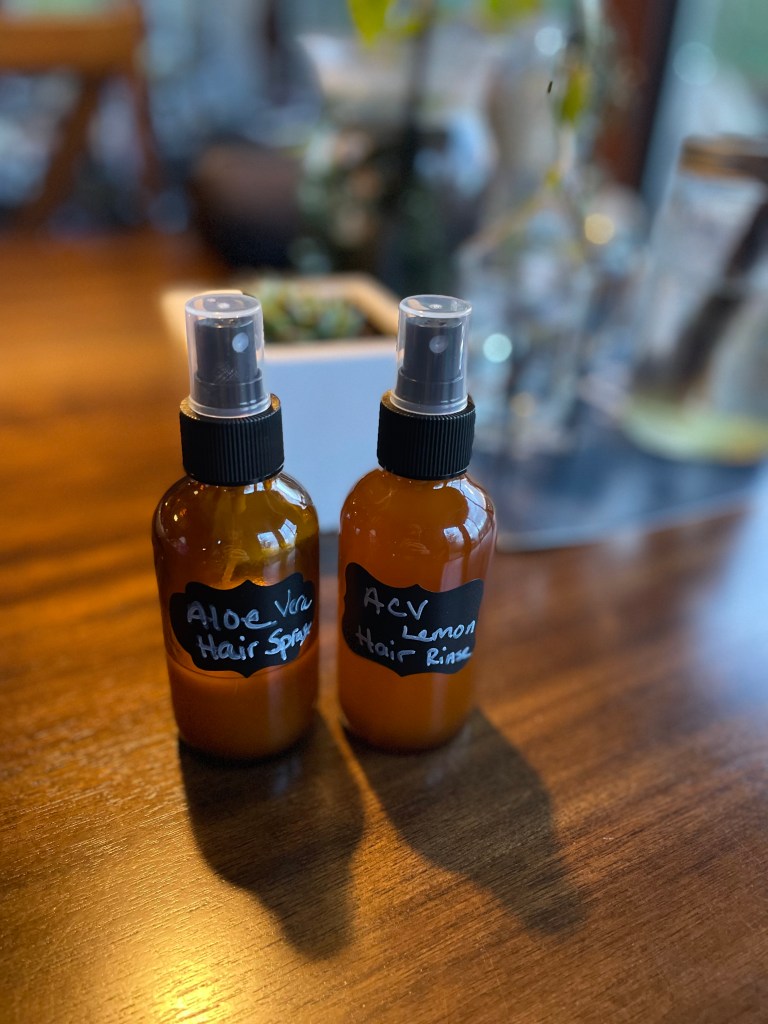
Becca’s Herbal Hair Spritz:
- 1 part apple cider vinegar
- 1 part lemon juice
- 1 part water
- 20 drops rosemary essential oil
Combine ingredients in a amber glass spray bottle. Shake well before misting on hair after washing. No need to rinse. (Close your eyes, though, it will burn if you get some in your eyes!) For topical use only.
Easy Rosemary Hair Oil:
- ½ cup olive or sweet almond oil
- 20 drops rosemary essential oil
Combine in a dropper bottle. Shake well before using. Rub a penny to a quarter size of oil between palms and massage into scalp after washing. No need to rinse! For topical use only.
 Kawaoka Coaching
Leave a comment