While our website is still under construction, you’re welcome to view our products here!
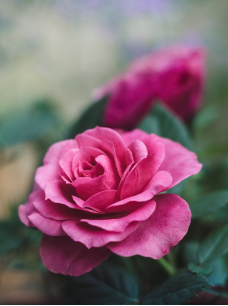
Rosa spp. of the Rosaceae family
“A rose by any other name would smell as sweet.” – Romeo and Juliet
History & Growing: Rose has been grown in many cultures for thousands of years, spanning from India to Egypt to China and the Middle East. According to The Encylopedia of Herbal Medicine by Andrew Chevallier, rose originally came from Iran. Apparently, rose hips were instrumental in WW2 due to its high vitamin C content, and the “hedgerow harvest” was readily available for citizens and soldiers. (see articles in citations for more) There are hundreds of species and TONS of variety in the color of flower, fragrance, and the way it grows; some grow to be 2-3 feet tall and others 4-6 feet tall. Roses are perennials, and generally enjoy A LOT of space in sun to part shade with well-draining soil. Rose can be a bit invasive (mine certainly loves to send out runners!) so it’s worth doing a bit of research to see what’s native in your area and how to plant it in order to respect plants that you want to grow around it.
Parts of Rose used: Buds, Flowers, Leaves & Hips. The roots and seeds were also used historically but this is a less common use now.
- Hips are the fruits produced after a flower has bloomed, often in late fall after the first hard frost. Some varieties of roses are bred for aesthetics and therefore do not produce hips. My shrub rose is heavy with ripening hips as I record this podcast!
Taste: Sour, mildly bitter; I find them slightly sweet and floral.
Energetics: Cooling & Drying
Actions: Astringent!
- Flowers & Flower buds: nervine, astringent, anti-inflammatory, anti-spasmodic, cardiotonic, antimicrobial, aphrodisiac, anti-catarrhal (helps expel excess mucous), diuretic.
- Hips: astringent, antimicrobial, antihistamine, antioxidant, inflammation-modulating, nutritive, tonic. Rose hips are high in Vitamin C!
- Analgesic (pain relief) properties are mentioned by some herbalists in regards to the varying parts of rose and the essential oil! While pain management may not be the #1 reason to consume rose, there is no doubt it offers relief to a pained heart.
Ways to consume rose:
- Dried or fresh!
- Tea, tincture, infused in honey, syrup, oxymel, vinegar, butter, oil, salve, compress, topical poultice, refreshing hydrosol, essential oil / flower essence, soak, cordial or soda
- Use caution if you plant to use your fading Valentine’s Day roses for tea, as cut roses from the store (particularly if they’re imported) could be sprayed with pesticides and/or fungicides. While I have done it in the past, I no longer would recommend using cut rose petals for consumption. Try using them as a hair rinse to avoid consuming harmful chemicals!
- Note on the essential oil: True rose essential oil is VERY expensive (hundreds of dollars) due to the sheer volume of rose petals required in the process. Most rose oils are synthetic, adulterated, or extracted with solvents (Body Into Balance, Maria Groves)
Body Systems, Tissues & Organs that Rose acts upon:
- Heart
- Skin & Mucosa
- Nervous system
- Reproductive system
- Immune system (namely the hips as they are high in vitamin C)
Rose Superpowers:
- Rose has a “superpower” for the heart, namely in when one has experienced heartbreak, loss, grief, and/or trauma.
- Rose is often used to assuage anger and irritability, difficult emotions that people often experience when processing grief or major life changes, such as midlife crisis, job changes, chaotic or fluid family dynamics, and/or menopause.
Traditional Uses:
- Rose petals were used in as food in early Rome and used in festivities as well as funerals to uplift mourners. Rosewater was used by Arab physicians dating back to 980 CE and used during Middle Ages and the Renaissance to treat depression. (Encylopedia of Herbal Medicine, Chevallier)
- In TCM (Traditional Chinese Medicine) rose is a heart tonic used to regulate Qi
- Wild roses in North America were commonly used as food and medicine
- Per The Native Memory Project, most tribes used rose in tea and cooking to treat diarrhea. A compress was also made from rose to treat sore eyes. The hips were collected and used for tea, namely sore throats. Crow Tribes made a sort of meat-filled granola bar from rose hips mixed with pemmican.
- Europeans used roots to make compresses to treat swelling and used the tea for upset stomachs and to ease labor pains. The seeds were consumed for aching muscles.
Current Uses:
- Astringency, fragrance and antimicrobial properties make rose a wonderful addition beauty products.
- Rose is still used as an ingredient and edible décor to culinary dishes. The hips make a popular jam!
- In uplifting tea blends to sooth the nerves and uplift the heart. If headaches are associated with grief and nervousness, rose may help relieve said affliction.
- Rose and rose hips can soothe inflamed tissue in the gut and promote intestinal wound healing, so it is often used as a gentle remedy for conditions like ulcers, leaky gut syndrome, diarrhea, and a stomachache
- Rose petals are toning to the reproductive system, and can be helpful in irregular or heavy menstruation and pain associated with menses.
- Rose essential oil and essence has proven to be an uplifting, soothing remedy. This can be a powerful ally for those who experienced trauma, sexual or otherwise, in regaining their confidence. Rose is often cited as an aphrodisiac, soothing a tense, troubled mind while providing nourishment to the body, uplifting while relaxing. Emotionally, this herb may give people hope while instilling the confidence needed to enjoy pleasure again after a traumatic experience.
- Rose and rose hips are often a remedy for varicose veins and remedies for improving capillary strength. Rose could be used in cases of chronic bruising.
- Some herbalists may include rose in a urinary tract remedy due to its astringent, cooling, toning properties.
- Rose may be used in cases of Lyme disease as a connective tissue tonic
- Many herbal mouthwashes may utilize rose for its astringency and anti-microbial properties!
Studies:
- There is promising research suggesting it may be beneficial for decreasing inflammation related to arthritis.
- Animal studies show promising in the use of rose in diabetic patients.
- In a clinical study, rose hips were found to decrease total plasma cholesterol and LDL cholesterol as well as systolic blood pressure in obese, non-diabetic participants.
- Rose was studied during the pandemic during medical material shortages.
- “The intensity and duration of menstrual pain and the amount of menstrual bleeding were significantly lower in the aromatherapy group than in the placebo group during both treatment periods”
- “When compared to a placebo, the application of rose oil resulted in noteworthy reductions in breathing rate, blood oxygen saturation, and systolic blood pressure. Participants in the rose oil group also reported feeling more serene, relaxed, and less alert compared to those in the control group. These results indicate that rose oil has a relaxing effect.”
- “A double-blind placebo controlled clinical trial compared the effects of rose oil inhalation with inhalation of almond oil. The results demonstrated reduction in postoperative pain in 32 3-6-year-old children without any significant side effects” (Marofi et al., 2015)
Contraindications: Due to the uterine stimulating properties of rose, it should be avoided by pregnant women. Allergy to any herb is possible, so be sure to use caution in consuming herbs if you have known allergies. Rose is very safe! Just be sure your rose sources haven’t been sprayed with chemicals and, if you’re wild harvesting, try to be sure it’s not a rose bred just for its beauty! Rose hips contain seeds and hairs that, if wild harvested, need to be removed or strained. When purchasing, you may feed seedless offerings. It is always good to run rosehips through a good strainer!
When to reach for rose, dosage, and what parts of rose to use?
- DIY beauty products! I used to make rose water as a youth, and love a rose spritz after a facial to this day! I also enjoy grinding up the pedals as an ingredient for homemade face masks, soap, and hair products. Dried rose petals are great for beauty products, and beginner friendly to work with.
- Reach for rose (I would recommend in tea form) in any grieving circumstance. One thing we share as humans is the inevitable experience of grief at some point our life. Rose may not take the pain away, but she will infuse her way into your heart, strengthening you from the inside out, so that you may live, laugh and love again. See Next Bullet point for more!
- Standard herb dosage applies: 1-3 cups of tea (1 tablespoon fresh leaves or seeded hips, 1 tsp dried leaves or hips, or a dropper of tincture added to water).
Planetary, Elemental & Dosha Correspondences:
- With its radiant beauty and symbolism of love, Rose is certainly a Venusian plant associated with the Water (the “emotional”) element. Think about when you feel emotionally prickly, in need of love, nourishment and soothing comfort. Rose is indicated when emotions and afflictions of the heart are at center stage.
- Rose displays a striking Mars signature: thorns! As Sajah Popham notes this clever affinity in his profound book Evolutionary Herbalism, Rose can treat Mars-like afflictions such as excess heat or inflammation. Sajah was and continues to be an instrumental part of my herbal path, and discusses antipathetic (opposite) and sympathetic (similar) approaches to herbal medicine. Rose, as a Venus plant, was a notable plant example, demonstrating the ability to balance heat from a Mars as antipathetic or a sympathetic remedy to treat relaxed Venusian states (varicose veins)
- Because rose is cooling and drying, this can aggravate the vatta dosha (who is constitutionally cold and dry). Rose is indicated for the kapha dosha, and but can be formulated to benefit kapha, pitta and vatta doshas 🙂
Body Into Balance, Maria Groves
Evolutionary Herbalism, Sajah Popham
Encylopedia of Herbal Medicine, Andrew Chevallier
Marofi et al., 2015
https://pmc.ncbi.nlm.nih.gov/articles/PMC10758878/#sec3m
https://pmc.ncbi.nlm.nih.gov/articles/PMC3343291/#sec1
http://www.theoldfoodie.com/2014/05/the-rose-hip-collection-campaign-ww-ii.html
 Kawaoka Coaching
Leave a comment